

Newsroom
A monastery built without the necessary permits inside Cape Greco’s protected landscape has moved a step closer to approval, reopening a dispute over whether construction that broke the rules can be allowed to stay.
Kathimerini reports that the Council for the Study of Derogations, known as SYMEPA, voted 4–1 in favor of allowing construction of the Monastery of Saints Ephraim and Catherine to continue. The sole objection came from the representative of the Cyprus Scientific and Technical Chamber, ETEK.
But the council’s chairman, Sotiris Ktoridis, has made clear that the project does not yet have final approval.
Speaking on SPORT FM’s “Diaspora News,” Ktoridis said another council meeting was needed before a reasoned recommendation could be sent to the Council of Ministers. The cabinet would then decide whether to approve or reject the application.
He declined to comment on the reported vote.
For anyone who has waited for permission to build a home or extend a property, the case touches a familiar concern: What happens when someone builds first and seeks approval afterward? Here, the added issue is that the construction took place inside a Natura 2000 protected area of Cape Greco National Forest Park.
The dispute dates to early 2024, when it emerged that the Metropolis of Constantia and Famagusta had begun building the monastery at the “Mazeri tou Koukou” site without the required environmental and planning permits.
Environmental groups and state agencies objected. Fines and orders to stop work followed.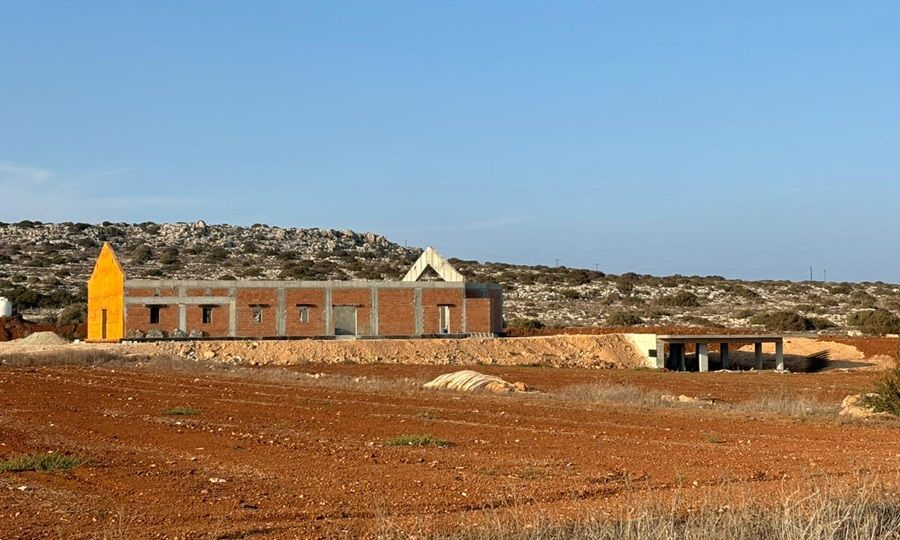
In spring 2024, Ayia Napa Municipality and the Town Planning Department also issued enforcement notices requiring the unauthorized structures to be demolished.
The Metropolis challenged those measures through an administrative appeal and legal proceedings, temporarily putting demolition on hold. At the same time, it sought approval through the derogation process, a route for requesting an exception to the normal planning rules.
A central obstacle has been earlier opinions from the attorney general stating that projects begun unlawfully within Natura 2000 areas cannot be assessed retrospectively. State departments and environmental bodies had relied on those opinions in their approach to the case.
The reported council vote therefore marks a significant shift, although the remaining steps mean it cannot yet be treated as permission to restart construction.
Ktoridis said the council had consulted the relevant departments and requested the studies required for this type of development. A further session and approval of the minutes were still needed to complete its recommendation.
Separately, ETEK had already initiated proceedings to refer the project’s architects and engineers to its disciplinary board over allegations that they contributed to unauthorized construction inside a protected zone. That process does not, in itself, establish disciplinary wrongdoing.
Environmental organizations monitoring the case are expected to respond to the latest development.
The next decisive step rests with the Cabinet: whether to grant an exception for a project that began without the necessary permits in one of Cyprus’ protected coastal landscapes.


