By Dimitra Georgiou
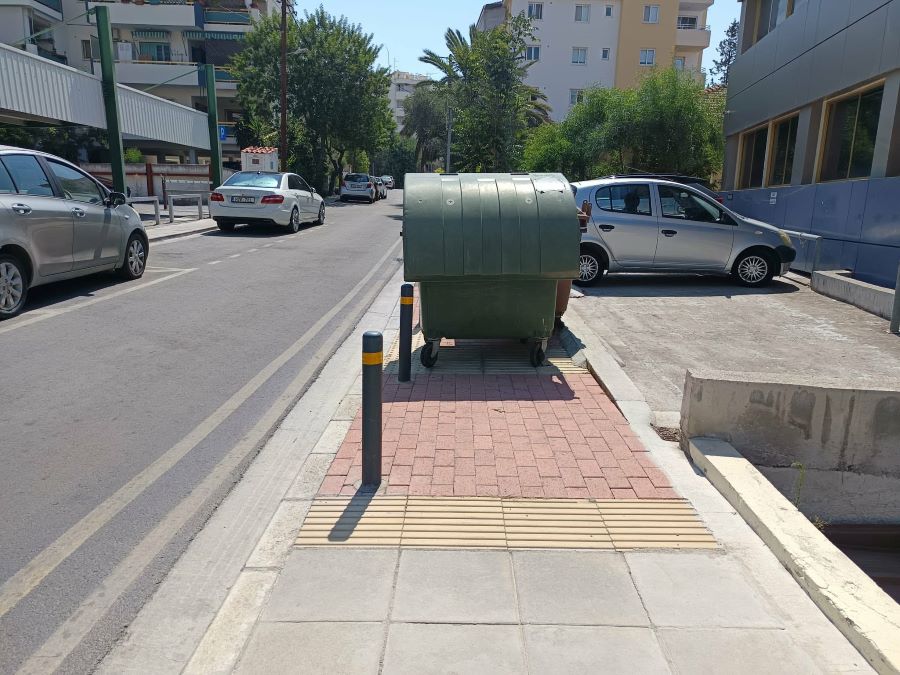
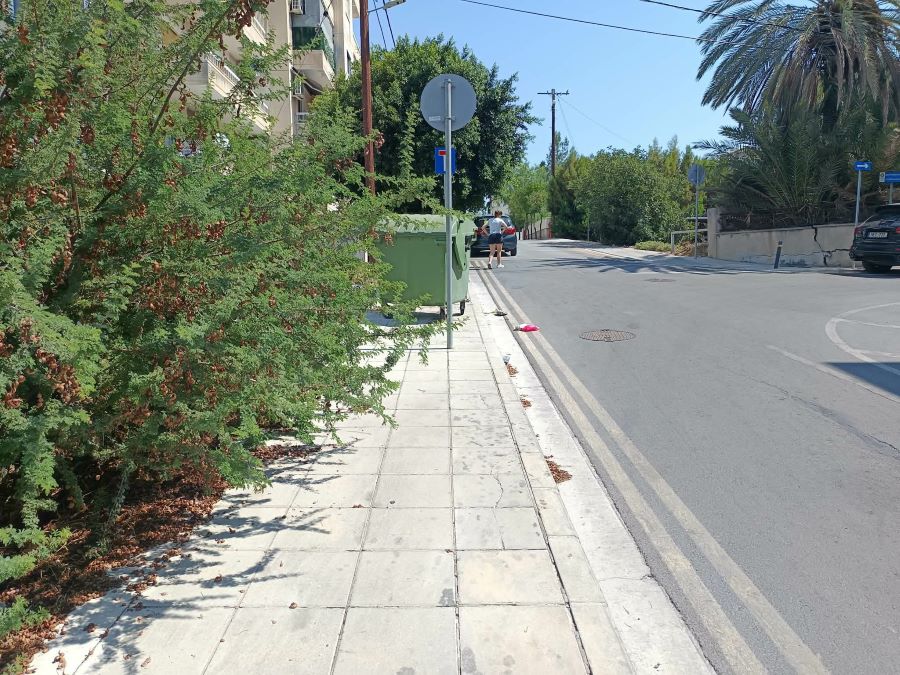
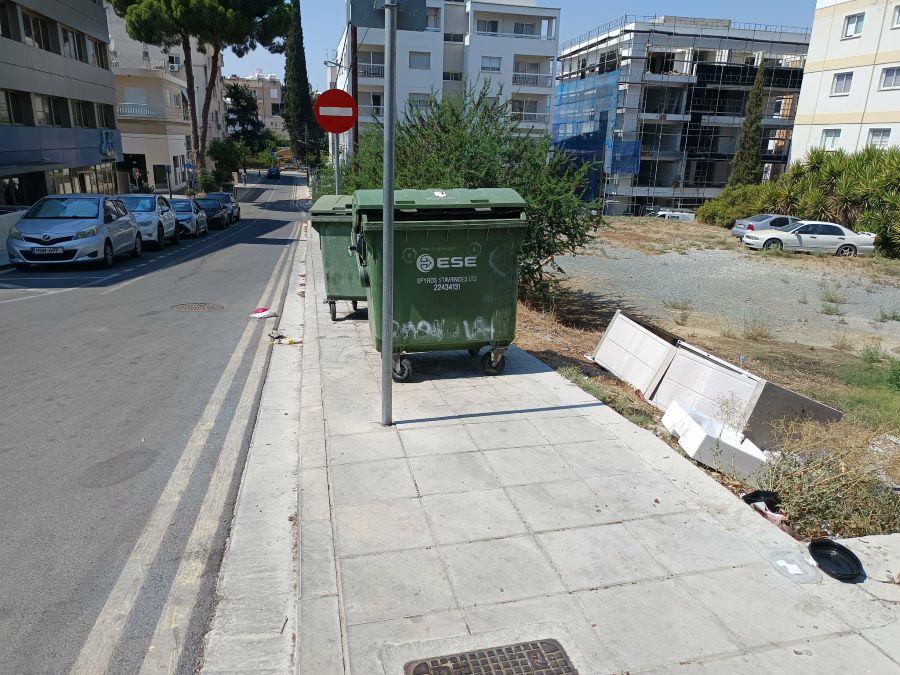
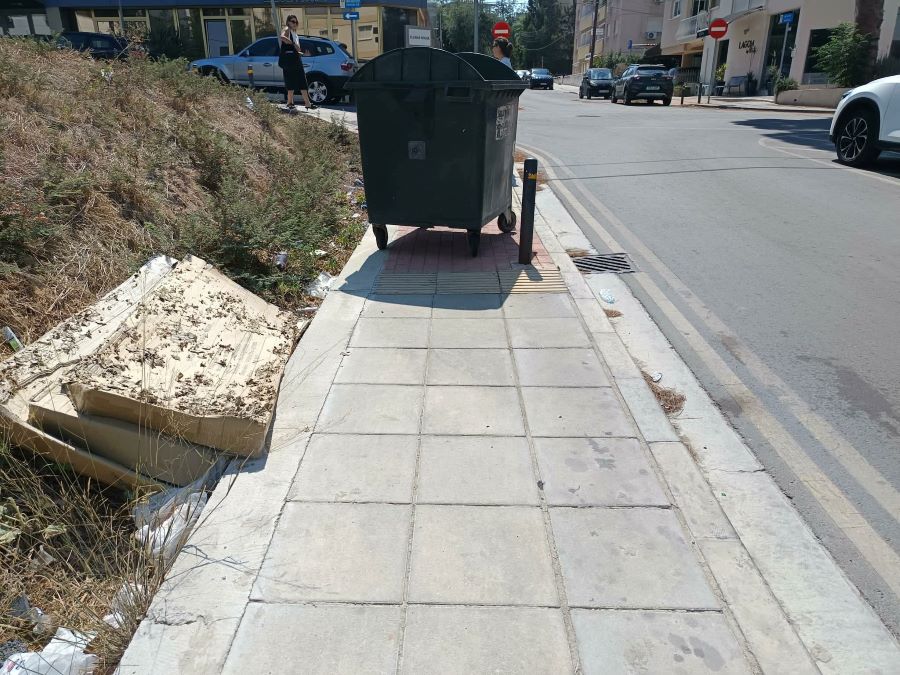
In an earlier article, Kathimerini highlighted the problems pedestrians face while trying to move around Nicosia’s old town. The photographs published with the report showed that, despite repeated complaints from residents, conditions in the city center have not improved.
The situation is even more difficult for people with mobility disabilities, wheelchair users, older people, and parents pushing babies in prams.
‘The state tolerates illegal parking, even when it costs human lives’
Speaking to Kathimerini, Demetris Lambrianides, president of the Cyprus Paraplegics Organisation, said it was clear that the state continued to tolerate illegal parking, even when human lives were put at risk.
The organization sent two letters to the House president in 2017 and 2021, proposing that police officers and traffic wardens be allowed to issue fines for illegal parking based on photographic evidence.
“Parliament has not responded to this proposal,” Lambrianides said.
In 2019, the Cyprus Paraplegics Organisation worked with the Green Party-Citizens’ Cooperation to prepare a memorandum on managing trees that obstruct movement along pavements.
Among its recommendations was that trees should not be planted on pavements less than 120 centimeters wide. Existing pavements should provide a clear width of at least 80 centimeters to allow pedestrians and wheelchair users to pass safely.
Where trees reduce a pavement’s usable width to less than 80 centimeters, the pavement should be widened or the trees relocated. If neither option is possible, the trees should be removed.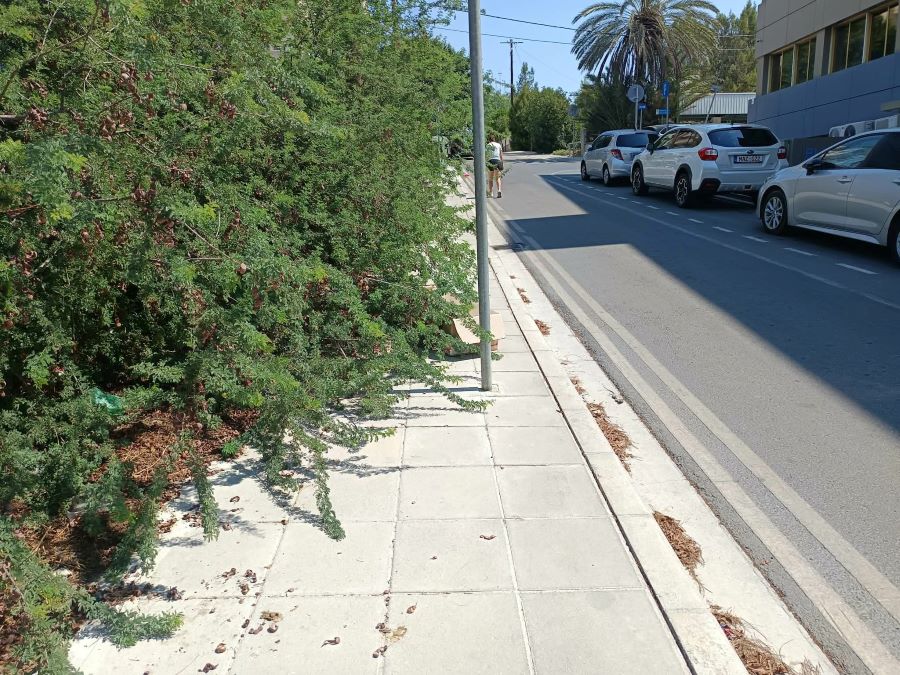
The organization brought the memorandum forward again in 2024, seeking to have its approach adopted by the Union of Cyprus Municipalities and the Union of Cyprus Communities.
Despite this, a number of pavements, particularly in Nicosia’s old town, remain inaccessible because of trees.
“We are seeing reluctance from local authorities to intervene when it comes to trees, even when they prevent people from moving around safely,” Lambrianides said.
He pointed to the policy adopted by Nicosia Municipality in the city’s commercial triangle as an example that could be followed elsewhere. Several trees were removed during the area’s redevelopment and replaced with species that have thinner trunks, provide shade and take up less pavement space.
“We need to change the way we manage trees on pavements, particularly when they have no historical value and are causing damage or creating problems for the safe movement of pedestrians and people with mobility disabilities,” he said.
Lambrianides stressed that trees should be replaced or relocated where necessary. If one tree must be removed, he said, two others should be planted in a more suitable location where they will not obstruct pedestrians. He also underlined the importance of selecting trees that provide adequate shade.
Asked where a person with a mobility disability should turn after encountering an obstruction on a pavement, Lambrianides said the first step should be to file a complaint with the municipality and request safe, unobstructed access.
“If there is no response, they can inform the Cyprus Paraplegics Organisation so that we can also take action,” he said.
According to Lambrianides, every local authority should follow Nicosia Municipality’s example of rebuilding pavements and creating continuous, accessible routes through the city.
“Municipalities must create continuous pavement networks and protect them from illegal parking,” he said.