

Newsroom
Cyprus has begun clearing farms to restock after the foot-and-mouth disease outbreak, starting with 28 lambs that arrived Tuesday at a farm in Pachna. For Father Christos, who lost his entire flock six months ago, the delivery came on a day his family already had marked on the calendar. It was his father’s birthday.
The Veterinary Services cleared the Pachna farm to bring in the lambs after disinfection and testing in the area. The farm is the first affected by the outbreak to begin rebuilding its flock. The lambs are unvaccinated and will be monitored and tested to see whether the virus is still present. If the results come back negative, the farm can bring in more animals and gradually resume production. Father Christos expects to know in about 30 to 40 days whether he can move ahead.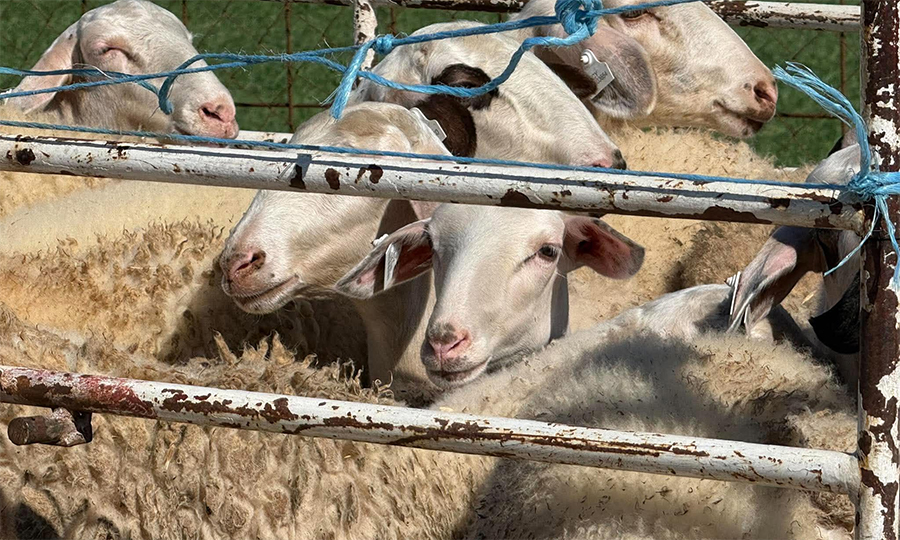
When other farms can restart
Agriculture Minister Christos Senekis presented lawmakers Tuesday with a timetable for restocking, area by area. The process in Limassol and Larnaca is expected to run through the end of January. In Nicosia, the timing depends on lab results still pending for some farms.
Senekis said affected farmers would receive compensation for at least 12 months of lost income, separate from payments already made for animals that were culled. Half of the income payment will be made when farmers order replacement animals and the rest when the animals arrive. The ministry is also consulting on three proposed programs worth a combined €10 million to help rebuild herds and flocks, relocate farms, and ease crowding in livestock areas.
Getting hold of the animals may be one of the hardest steps. Father Christos said he paid for the lambs himself and struggled to find farmers willing to sell unvaccinated stock for testing. A positive result, he said, could have consequences for the farm the animals came from. Neophytos Neophytou, who heads the Voice of Livestock Breeders association, urged the government to make animals available from public agricultural facilities so more farms can begin the process.
Why it matters for halloumi
Rebuilding flocks also means restoring the supply of sheep’s and goat’s milk that cheesemakers need to meet the requirements for protected halloumi. Neophytou said the priority should be getting farms back into production and called for keeping the 51% sheep’s and goat’s milk target for 2029. Senekis said the risk to the cheese’s protected status would come if producers reached the end of the transition period without enough milk to meet the agreed specifications.
In Pachna, seeing animals back on the farm after six difficult months was reason enough for Father Christos and his family to mark the day. Whether they can get back to work as before now depends on what the tests show.


