


Opinion
By Panagiotis Diogenous
The other day, dear reader, I found myself studying statistical maps that attempted to chart the drinking habits of the United Kingdom and continental Europe. Quite remarkably, for once, they had found something they agreed on.
For those of you who were not fortunate enough to be born inside the analytics department of a multinational hospitality and spirits company, allow me to bring you up to speed: The world has suddenly decided that getting drunk is hopelessly banal.
Looking healthy, fit and offensively wealthy is the new national sport.
My Monday mornings find me in the not entirely unpleasant position of analysing weekly consumer trends—or at least that is what I try to convince myself I am doing.
The shift in our drinking habits has become increasingly noticeable in recent years, particularly in the major markets that set the trends our little Cyprus usually follows a few years later.
And, lo and behold, the continent’s neurotic obsession with wellness is now slowly making its way to our Cypriot shores.
To put it simply, people are abandoning the cheap spirits of questionable origin that once fuelled our nights—and occasionally inspired spontaneous voicemail messages at 3 a.m.
As humanity moves away from its quaint Bacchanalian excesses, three new commandments dominate the modern altar: health, sustainability and luxury—or, in market language, “premiumisation.”
Generation Z, gripped by a fear of calories and losing control, now refuses to party until it passes out.
I remember when we would knock back anywhere between 12 and 62 cocktails at an open bar, and ordering something alcohol-free would cause your friends to stare at you in horror and disbelief before slowly backing away in fear.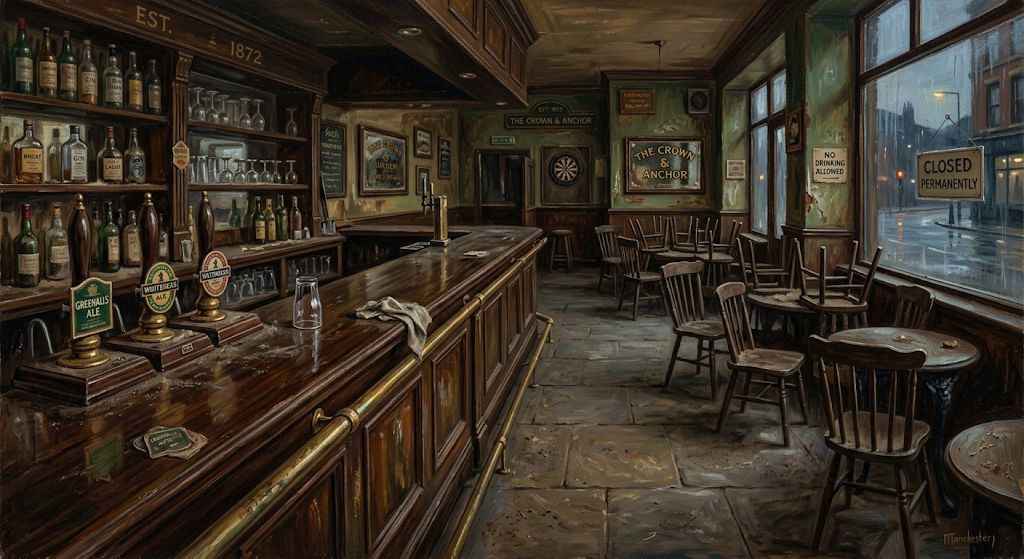 The new sober generation has arrived—and it is leaving behind anyone who is not ready to welcome it.
Today, the drinks industry is relying increasingly on the No & Low category, investing billions in botanical extracts and complex flavours designed to recreate the sophistication of gin without a single drop of ethanol.
Consumers want something with little—or no—alcohol and few, if any, calories, but which still resembles a proper cocktail.
In other words, it must remain socially acceptable. It must not make them look—or feel—“boring,” while allowing them to retain enough clarity to attend Pilates the following morning.
Naturally, this trend also has its casualties.
Traditional pubs and neighborhood bars that survived for decades on alcohol sales are now facing consumers asking for sparkling fermented teas, mocktails and alcohol-free products.
Economically and culturally, this shift is causing upheaval in countries such as England, where pub culture has been at the heart of social life for centuries.
The figures are revealing. Falling alcohol consumption is affecting not only sales but also tax revenue. Meanwhile, pubs, bars, restaurants and clubs that established themselves over decades now face a market changing faster than they can adapt.
The rise of No & Low, therefore, is not merely changing what goes into the glass. It is changing the entire environment in which that glass is consumed.
Then comes the explosion of sustainability.
It now matters whether a product is ethically sourced, whether its packaging is environmentally friendly and whether its production leaves a smaller carbon footprint.
But let us be honest: No one is going to order a gin simply because its label was made from recycled cork. It is, however, a pleasant added touch.
For businesses, sustainability is equal parts morality and sheer survival. Reducing waste protects already narrow profit margins, while sourcing locally lowers costs and reduces the environmental impact of transportation.
That is precisely where social responsibility meets business logic.
And this brings us to local products—something we in Cyprus embraced years ago.
Cypriot beers, wines and spirits are not simply an international trend for us. They are a natural expression of this land and, in a way, the least tribute we can pay to such a blessed climate and soil.
The global market, however, is only now beginning to recognise their value.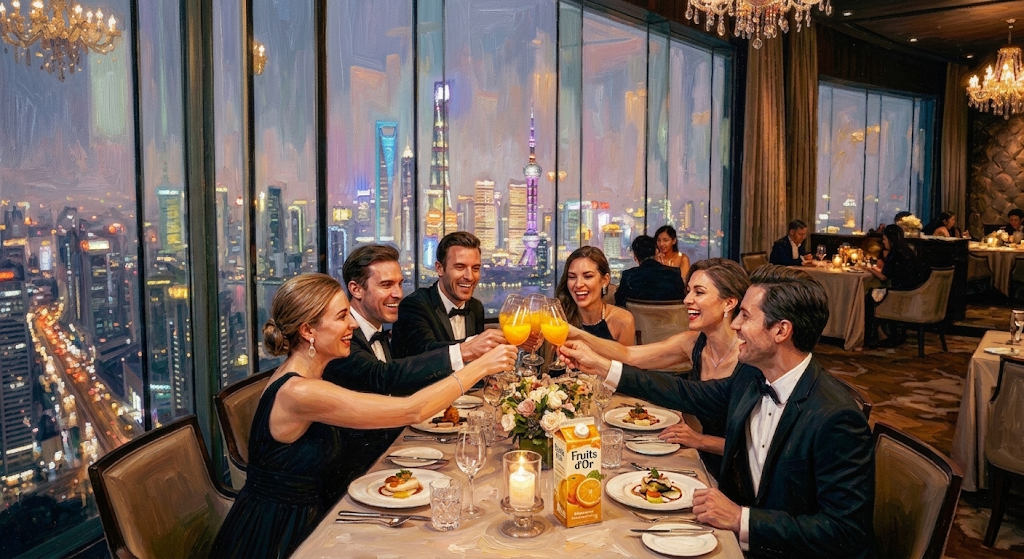 Consumers want something that will not make them seem “boring,” while leaving them clear-headed enough for Pilates the next morning.
Alongside health and sustainability, we are witnessing a curious upgrade.
Today’s customer may drink less, but they drink noticeably more expensive products—and, more importantly, choose them far more carefully.
The average consumer in Central Europe and the United Kingdom is passing over ordinary blended whiskies in favour of rare single-malt bottlings, Asian flavours and high-quality No & Low mixers.
Every element in a drink is now expected to have its own identity.
If it is tequila, it must be añejo. The customer will ask about the ageing.
If it is syrup, it must be made in-house. The customer will ask.
If it is juice, it must be fresh. The customer will check for added sugar.
And even when ordering a simple classic cocktail, the customer will specify the spirit by name. The house pour is no longer good enough.
Consumers are passing over the familiar—and thoroughly overdrunk—wines in search of something different.
This is where our opportunity lies.
We should invest even more in local production and explore new techniques, ageing methods, barrels and ingredients capable of giving a drink character, history and identity.
In the past, the cost of quality may have been disproportionate to demand. Today, however, the market is far more willing to pay for something that gives people a reason to remember it.
And this is where the biggest change emerges: investment in presentation, storytelling and rarity.
Consumers no longer want just a drink. They want to feel part of a unique experience—to participate in a ritual rather than merely own another glass.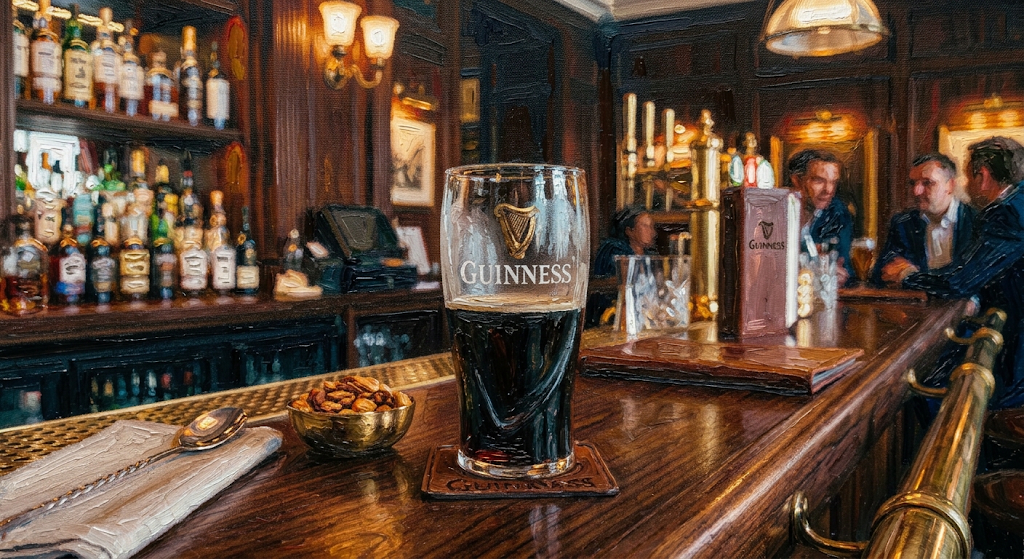 The new consumer wants a ritual. Guinness’ success offers an excellent lesson in experiential branding: The product stops being merely a product and becomes an experience.
Take Guinness, for example.
In the United Kingdom, a pint of Guinness has reached the sweet spot of affordable luxury.
The pouring ritual, the appearance of the pint, the ceremony of trying to “split the G,” the wait and the sense of limited availability transform a mass-market product into something that feels—if only briefly—like an object of desire.
For months, limited supplies in some bars made the simple desire for a pint feel more like an attempt to buy a Rolex Daytona or a Birkin bag than an order for a beer.
In Cyprus, of course, we did not experience the problem to the same extent because our culture and market are different.
Nevertheless, Guinness’ success offers an excellent lesson in experiential branding. The product stops being merely a product and becomes an experience.
And that proves something important: Our age is not short of passion. It simply channels it differently.
In Cyprus, this transition will take its time. We are, after all, a people who appreciate abundance.
But the change is inevitable.
Luxury is no longer measured by the number of bottles consumed at the table. It is measured by the story behind every drop, the complexity of the botanicals, the origin of the spirit and—most importantly—our ability to remember the previous evening in perfect, flawless detail.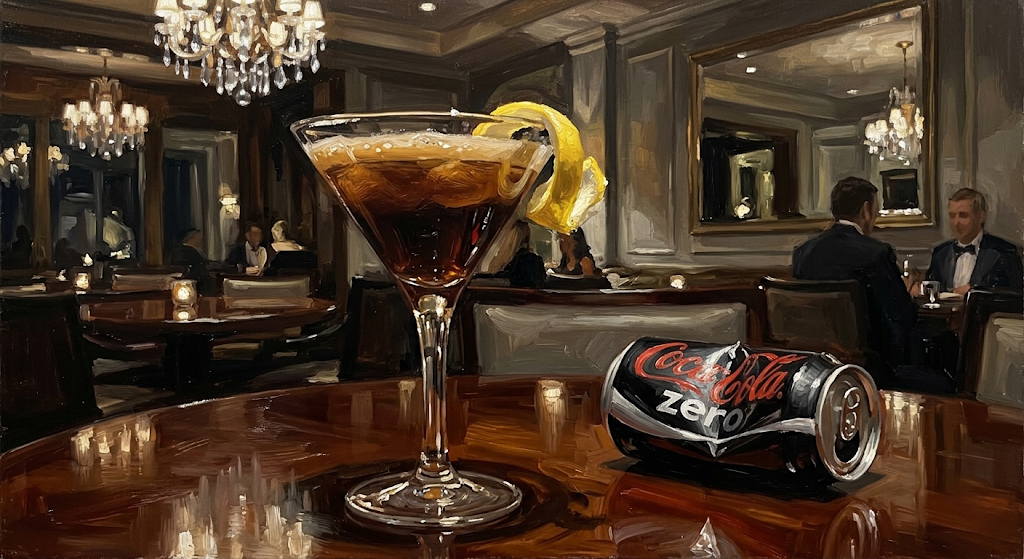
So I raise a paper cup of Coke Zero, garnished with a neatly squared peel of organic Amalfi lemon, to the promise of a new, mindful Cypriot generation.
*“Split the G” is a popular drinking game in the United Kingdom. The drinker must take one sip of Guinness, stopping when the level of the beer cuts directly through the middle of the letter “G” printed on the glass.*


