Apostolos Kouroupakis
“My unfortunate people, poor and beloved. Always so trusting, and always deceived.”
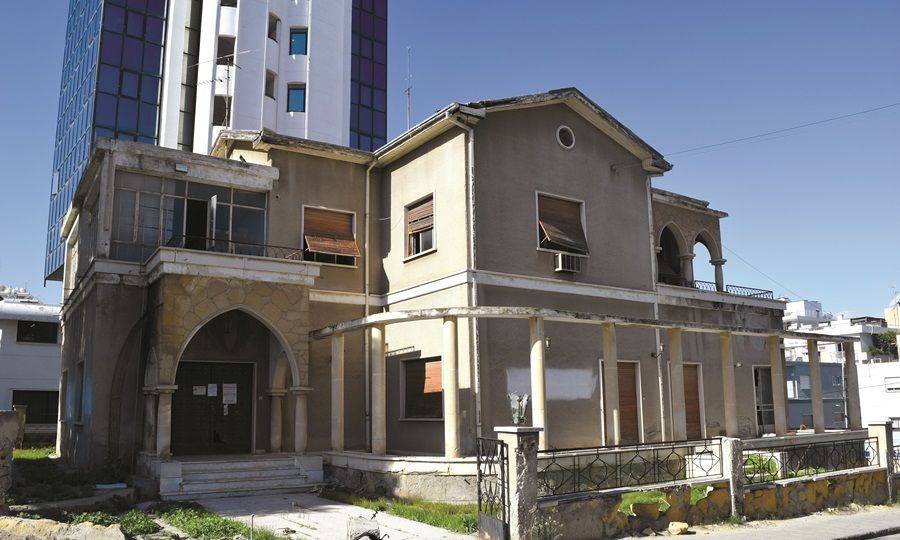
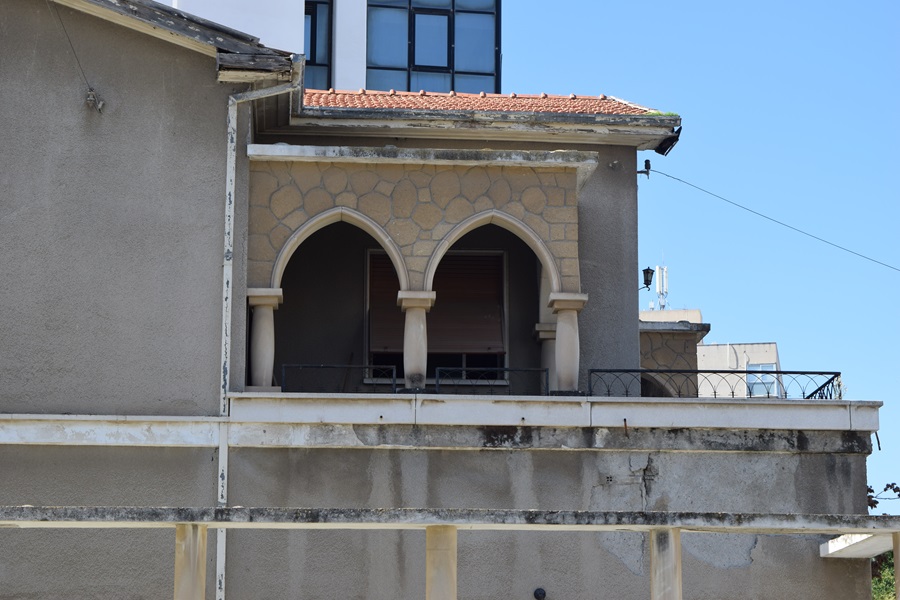
This is a chapter in the history of a city that gradually began expanding beyond its walls, finally finding room to breathe. It was also the home of Mayor Themistocles Dervis, who died in its bathroom. His final journey through Nicosia took him “along Makarios III Avenue, Evagorou, Metaxa Square, Ledras and Nikokleous streets” to Faneromeni. From there, the procession continued “along Onasagorou and Hippocrates streets [where his medical practice was located and where the Leventis Municipal Museum stands today], Metaxa Square and Stasinou Avenue”, ending at the city's New Cemetery.
Dervis was widely regarded as the man who transformed Nicosia. “Within a few years, he turned it into a European city,” the press wrote. Known affectionately as Doctor Kikis, he was someone people generally had a kind word for. He was also the outspoken mayor who, after many years in office, once described his fellow Cypriots as fools, as well as the leader of the Cyprus National Party. “His pen and tongue offended many.” Today, Nicosia struggles to preserve its architectural heritage, just as it struggles to hold on to its history. Its streets, its hidden corners and its people are all part of a city in constant transition, reshaped by new residents and changing urban trends. The city continues to evolve, while its older character fights to survive, much like the people who live with their own anxieties and uncertainties. Looking at the house, I am reminded of Andreas Pastellas' poem “Landscape of a Coastal City”: “Illuminated apartment building windows / along a broad and confident road […] they fill cesspits and settling tanks / charcoal braziers with batteries / on an open battlefield […]”.
The little-known and betrayed refuges of persecuted people
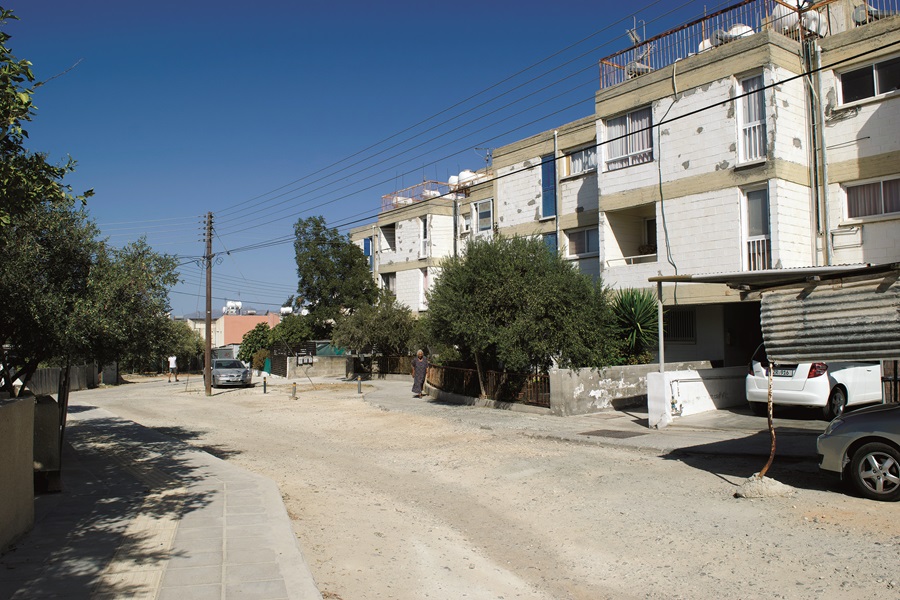
In just a few years, Nicosia went from experiencing relatively orderly, if sometimes enthusiastic and haphazard, development to becoming a vast landscape of refugees. People who had spent their lives sowing fields, watering the earth with their sweat and making a living from lands that were both fertile and unforgiving suddenly found themselves having to rebuild their lives in concrete surroundings, leaving their memories behind. Small living spaces, countless construction projects. Fortunately, the city still had room to accommodate them. New residential zones were quickly established to house the newcomers, people who might have been dismissed as fools but who had been deceived through no fault of their own, often without even realizing it. Housing settlements sprang up, some large, others small, serving people from different economic backgrounds. At least, on the surface, everyone was treated the same. Meanwhile, the property market was beginning to boom. Advertisements called for “houses and apartments wanted”, while others announced that “houses, apartments, building plots and agricultural land are urgently sought for purchase, both within and outside Nicosia, in its suburbs and surrounding areas, as well as in nearby villages”. Necessity was reshaping the city, and doing so at remarkable speed. Its entire appearance was changing. But were the newcomers a welcome boost to the city or an added burden? Perhaps they felt much like the protagonist in Giorgos Ioannou's work: “I spend my days among strangers and unfamiliar surroundings, living in places that are already furnished and rented. I share a home with people who couldn't care less about me, and I feel the same way about them […] That's why I envy those who are in their own place, on their own land, among their relatives, in the homes their families have lived in for generations. If nothing else, I wish I could live in a refugee settlement, surrounded by people like myself.” “Among the Refugee Settlements”, from the collection For the Sake of Honor, 1964.