

Newsroom
A more comfortable place to wait, a private room to be examined and somewhere to speak to a doctor about a loved one: Nicosia General Hospital’s emergency department has undergone a €4.1 million upgrade aimed at making a stressful visit a little easier.
The renovated and expanded department was inaugurated Monday after around 18 months of work, during which staff continued treating patients amid the disruption.
But alongside the new facilities came a clear message from emergency department director Savvas Savva: Better surroundings alone will not solve every problem, including the wait to be seen.
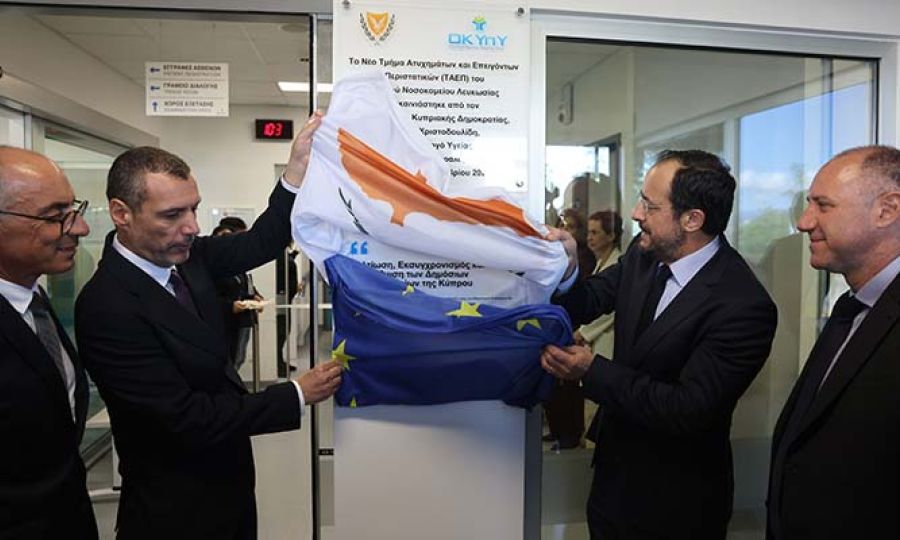
The changes include an improved reception and registration area, more comfortable waiting facilities and separate examination rooms offering patients greater privacy.
There is also a dedicated space where relatives can receive updates from doctors, ask questions and discuss a patient’s condition away from the wider department.
President Nikos Christodoulides singled out that addition at the inauguration, saying families waiting for news needed an appropriate setting to speak with medical staff.
He also highlighted improvements to staff rest facilities, linking better working conditions to the care patients receive.
Other additions include a negative-pressure room for patients with serious infectious diseases, designed to help contain the spread of infection, and a separate area for patients who are severely agitated or aggressive.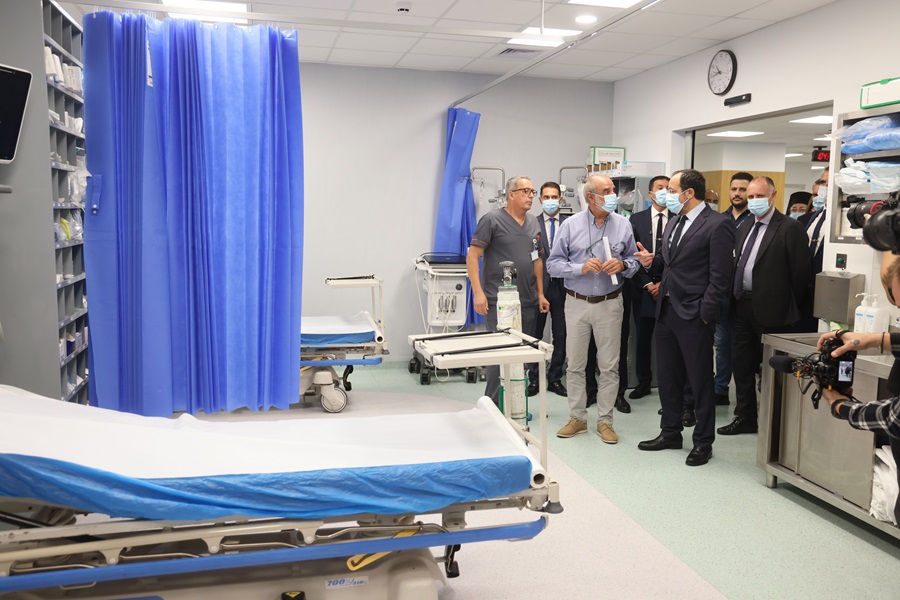
For those arriving at the emergency department, however, the question is likely to be how quickly they will receive care.
Savva said efforts to reduce waiting times were continuing, including through a fast-track clinic that handles 25 to 30 cases within short periods. He did not specify the period covered by that figure.
He also pointed to a problem that extends beyond the department itself: When the hospital is full, patients awaiting admission remain in emergency care, making it harder to keep other cases moving.
Staffing was at a satisfactory level, he said. Space had been an issue, but the next task was to improve how the whole system worked so patients did not build up in the emergency department.
The department also works with trauma and children’s emergency services, alongside a short-stay ward where patients can be monitored, assessed further or complete treatment without immediately moving to a regular hospital ward.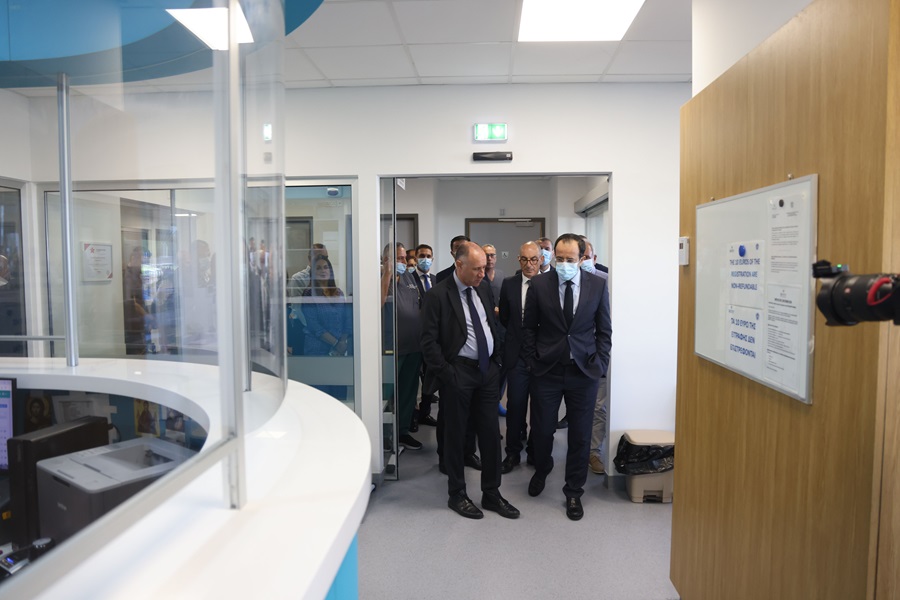
Christodoulides said the upgrade, co-financed by the European Union through the Recovery and Resilience Plan, formed part of a broader programme of improvements to public hospitals.
At Nicosia General, he pointed to the completed fourth-floor extension housing the Neurology Clinic and Stroke Unit, with an infectious diseases unit identified as the next goal.
Other projects include upgrades at Makarios Hospital, expanded intensive care facilities in Limassol and the planned €17 million hospital in Polis Chrysochous.
The president thanked emergency department employees for continuing to care for patients while construction made an already demanding job more difficult.
Savva offered a similar acknowledgement of the patience shown by staff and patients throughout the work.
The renovated department gives both a better environment. Turning that improvement into shorter waits will also depend on what happens beyond its doors.


