Hector Georgiou
Paphos was supposed to have 72 new buses on its roads by February 2024. Nearly two years later, fewer than half have arrived.
A review by the Audit Office found that the company operating Paphos’ public bus service introduced just 32 new buses by the end of February, despite promising to deliver 72 under its contract with the state.
For taxpayers, that is the heart of the story. Public transport contracts involve millions in state money, and their conditions are supposed to guarantee a certain level of service
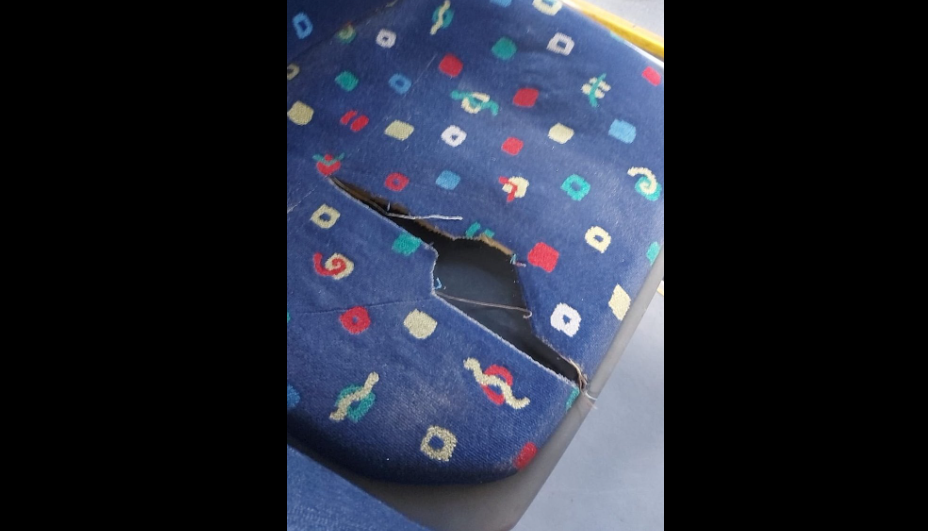
For the average passenger, the figures boil down to something simple: the government paid for newer and better service, but commuters continued boarding older and rented buses.
Under the approved timetable, the operator was required to own a fleet of 80 buses by the end of a transitional period on Feb. 7, 2024. Of those, 72 were supposed to be brand new.
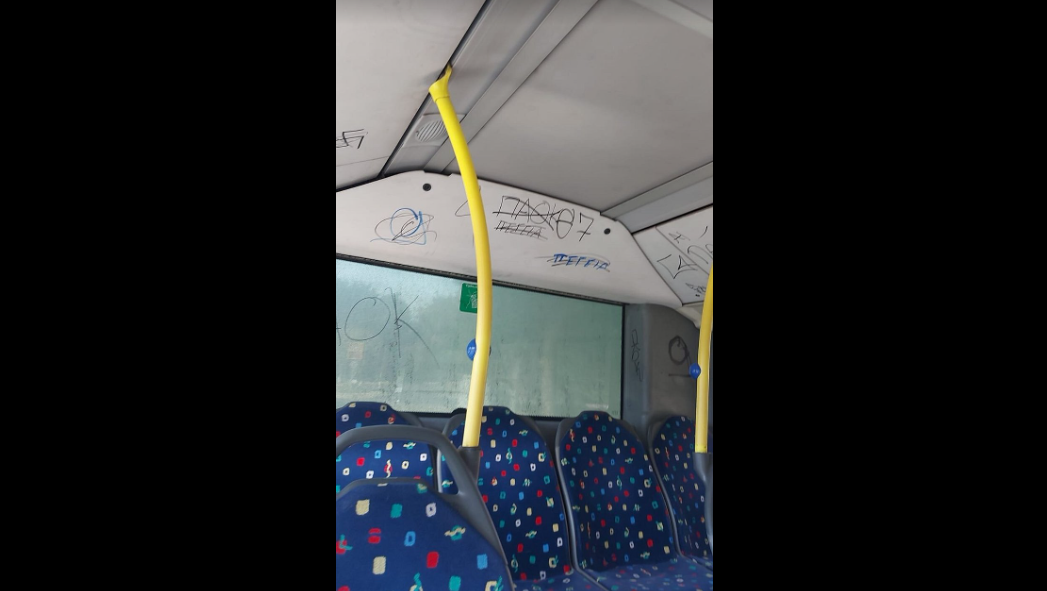
Although the company met the minimum requirements relating to the age and ownership of most of its fleet, with one isolated exception, it fell well short of its commitment to bring in the promised new vehicles.
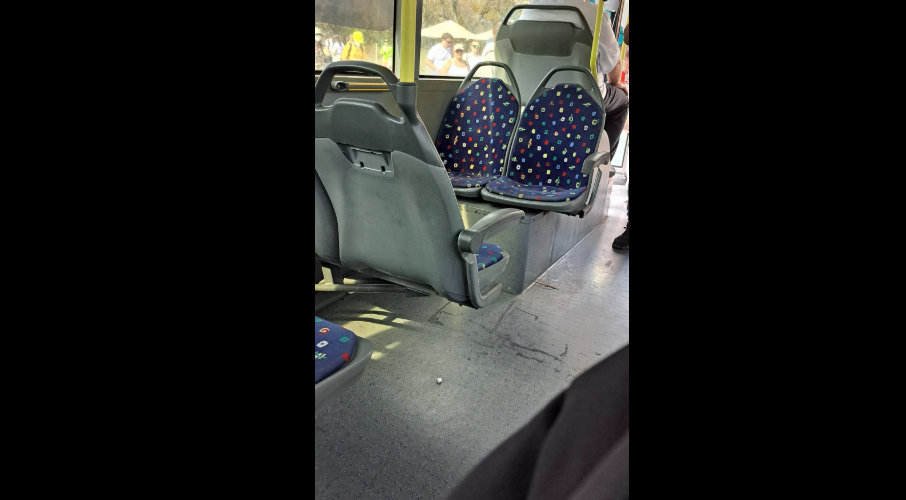
The required routes continued operating, but older and leased buses were used to fill the gap.
That distinction matters. A bus may still turn up and complete its route, but the contract was intended to modernize public transport with newer vehicles offering better safety, reliability, comfort and compliance with European standards.
The Transport Ministry sent compliance letters to the company in September and October 2024 and began imposing the penalties provided for under the contract.
By Dec. 22, 2025, €2.37 million had been deducted from the state compensation paid to the operator. The total penalties had climbed to €4.51 million by June 2026 and were continuing to grow by around €150,000 each month.
Yet even millions of euros in penalties did not produce full compliance.
The company blamed delays by bus manufacturers, the war in Ukraine and disruption to maritime transport. It later said it had been unable to secure the bank guarantees required to complete the purchases.
The Audit Office’s findings, however, raise questions that go beyond one bus company.
The watchdog said the case exposed the state’s limited ability to act quickly when a private company seriously deviates from the terms of a public contract. It also suggested that the operator’s continued failure to comply, despite mounting financial penalties, may point to poor planning by the Transport Ministry when the agreement was drawn up.
For taxpayers, that is the heart of the story. Public transport contracts involve millions in state money, and their conditions are supposed to guarantee a certain level of service, not simply produce fines when promises are broken.
The delay also affects Paphos residents who rely on buses to get to work, school, hospitals and government services, as well as tourists expected to navigate the district without a car.
According to the Audit Office, allowing such noncompliance to continue creates the impression that companies can sign public contracts, miss key obligations and carry on operating while penalties pile up in the background.
In other words, Paphos still has its bus routes. What it does not yet have is much of the new fleet it was promised, and passengers and taxpayers are left wondering how long a contract can remain unfulfilled before the state does more than send another bill.