

Newsroom
In the heart of Nicosia, just steps from the iconic Venetian walls, stands one of the city’s most distinctive architectural gems. The building at 7 Markou Drakou Street, a rare neoclassical interwar structure, has been given a new role and a second life thanks to the initiative of bbf:, which transformed it into a contemporary workspace while preserving its identity and character. It now houses the company’s offices in Nicosia.
We met architect Floris Panayides one rainy afternoon in December, the smell of wet earth drifting through the shutters, filling the space with a warm, nostalgic mood. We sat in what is now the boardroom, a room where classic and modern coexist harmoniously, just as the building’s history and present do.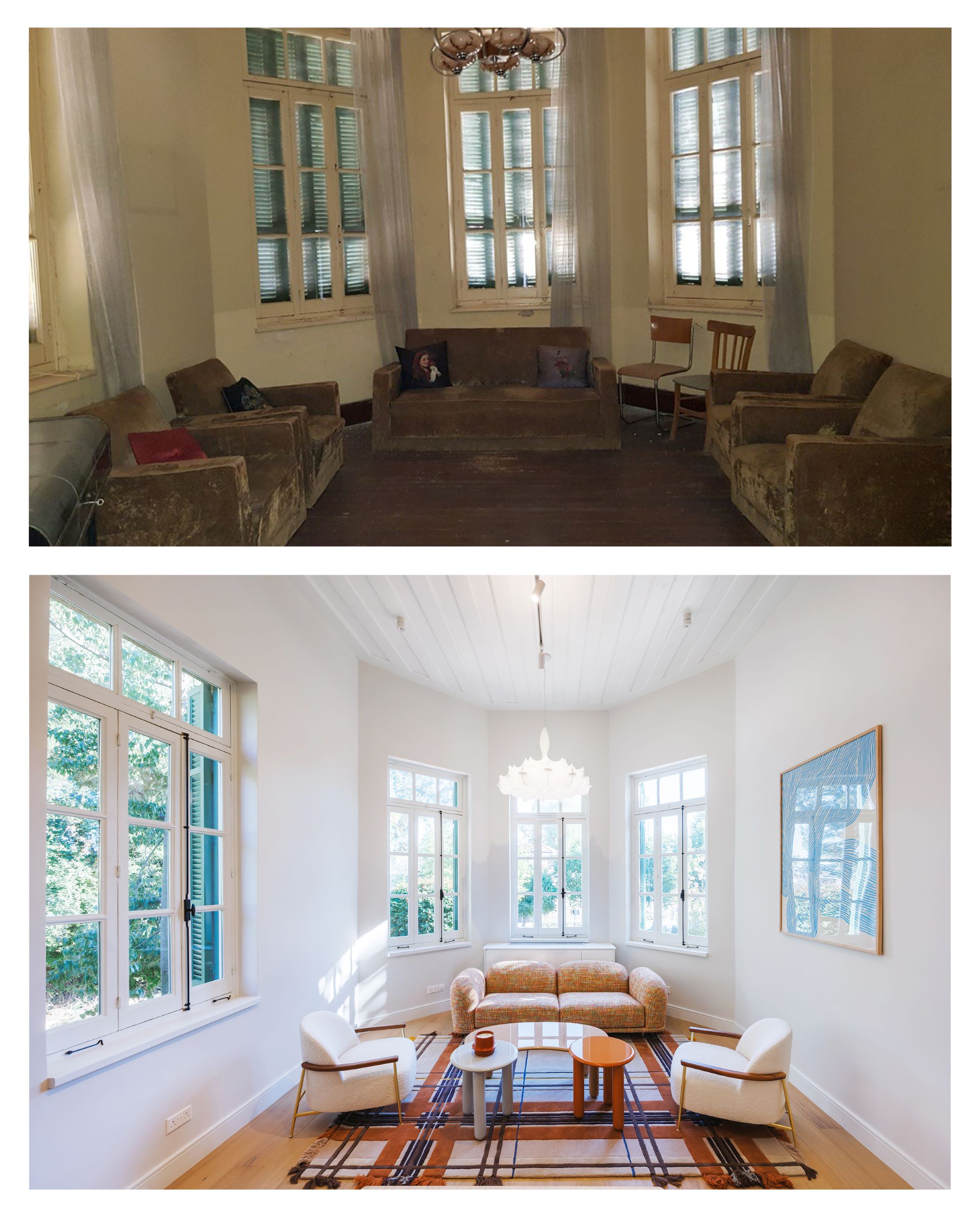
Panayides, calm and gentle in manner, speaks passionately about architecture, history, and buildings that carry memories. In that intimate atmosphere, our conversation flowed like a chat about a house that seemed to have awakened again after decades of silence.
The Story Behind a 1930s Mansion
As our conversation unfolded, Panayides took us back to interwar Nicosia, a smaller, quieter city moving at a different pace. With a warm coffee in hand, he began the story of the building.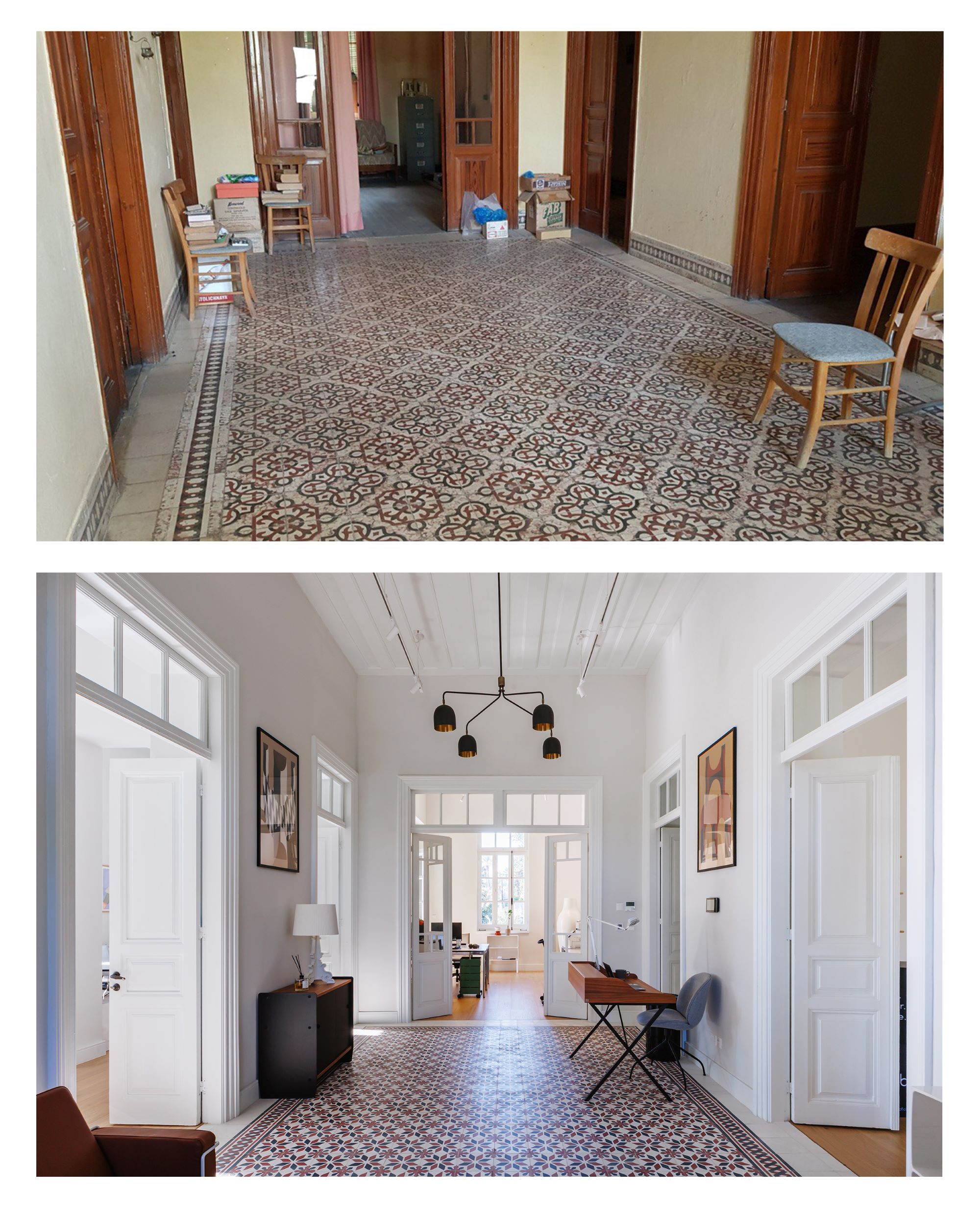
“This house was designed by Theodoros Fotiadis, Cyprus’ first architect,” he explained. Fotiadis had returned to Cyprus in 1930 after graduating from the National Technical University of Athens, bringing with him European neoclassical influences new to the island. At the time, he was the only Cypriot with a degree in architecture, a true pioneer. Soon after his return, institutions such as the Church of Cyprus sought his collaboration, including the distinctive bell tower of the Church of Faneromeni in old Nicosia.
Around 1930, Fotiadis also designed the Pantazis family home, a mansion that would become part of Nicosia’s urban memory and, today, of bbf:.
A House of Two Worlds
Panayides explained that mansions of the era had a “dual identity”: the front of the house, with bright reception rooms, designed to impress and welcome guests; and the back, where everyday life unfolded, reflecting traditional Cypriot rhythms.
Here were the utility rooms, kitchens with boiling cauldrons, basins for halloumi production, and storerooms with jars and laminjani. The legacy of that life remains, bridging the old and the new. 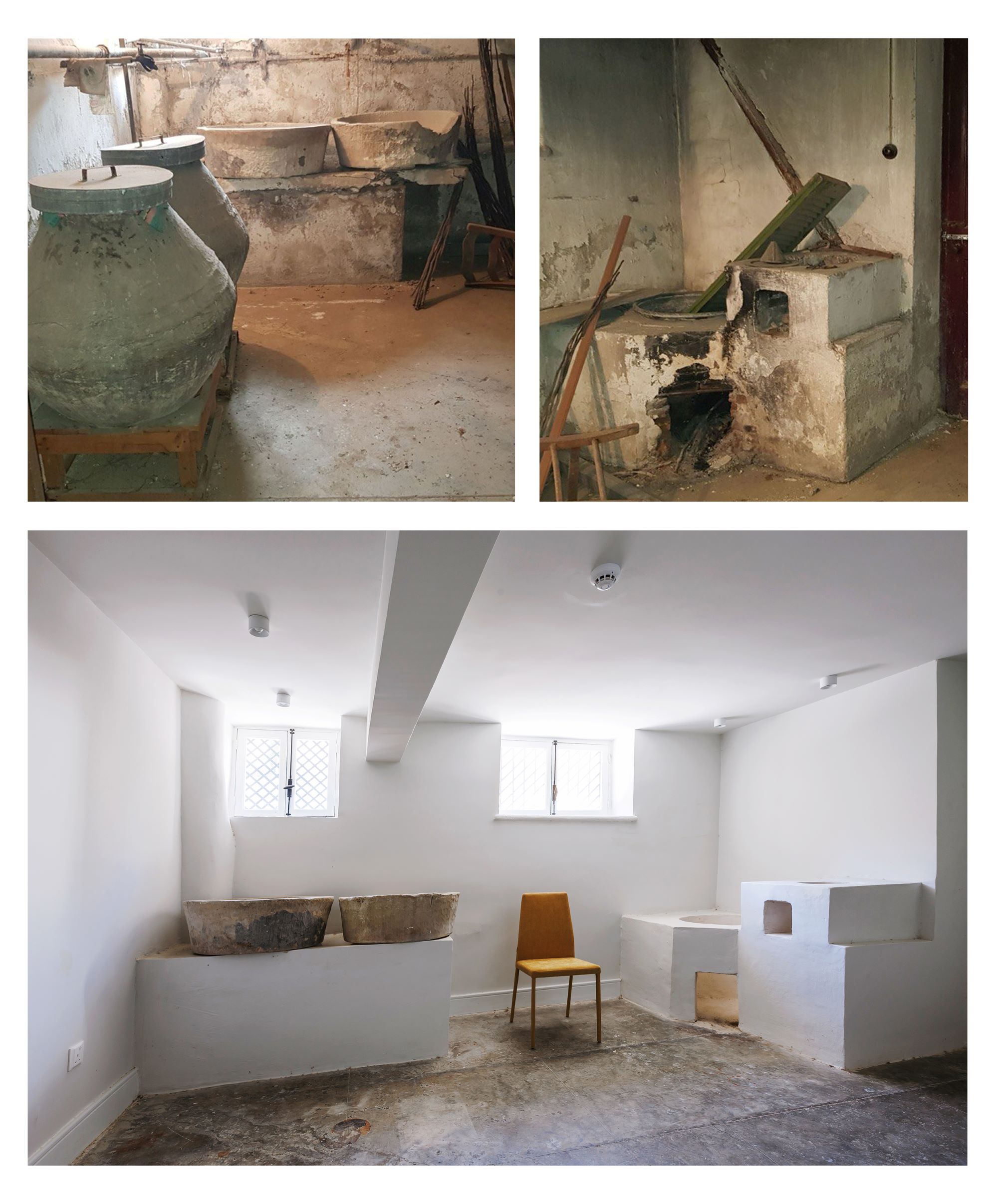 “People lived differently back then,” he said. “More simply, more collectively. Two or three people in the same room. Personal space was an entirely different concept.”
Materials That Stand the Test of Time
Constructed mainly of stone, with some walls probably brick, the building predates widespread use of cement in Cyprus. Despite renovations, its structure remains intact; only one interior wall was removed. The kitchen remains in its original location, while the basement storage and auxiliary kitchenette, including jars and old bottles, have been preserved.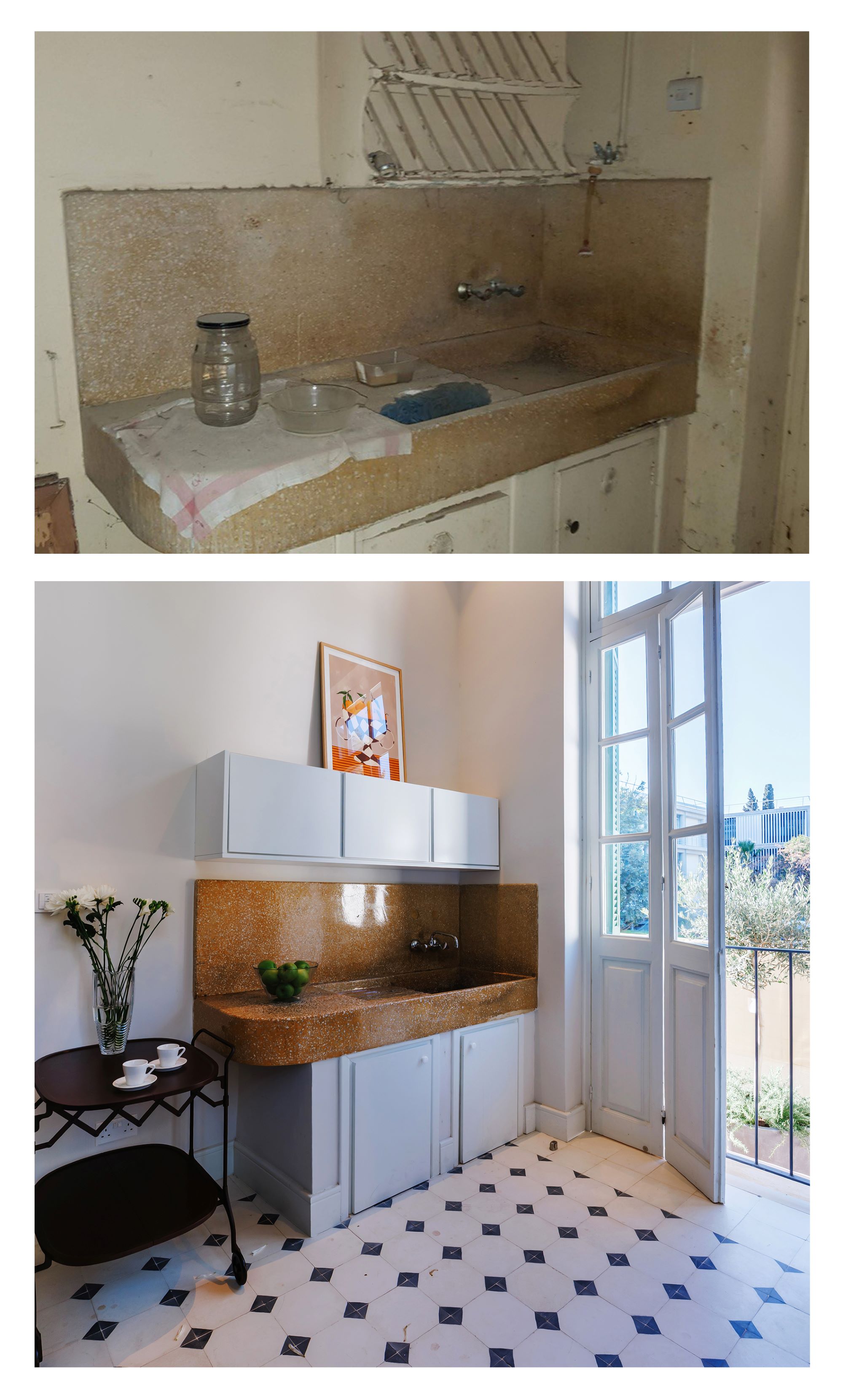 The windows and doors tell their own stories. Exterior woodwork was faithfully reproduced where it had been destroyed, but the interior paneling is authentic, with rarely seen details like rain- and dust-proof closing mechanisms. Originally, shutters were green and the front door crimson. “We’ve painted it green, in harmony with the building’s new style and the outdoor space,” Panayides notes. The courtyard is dotted with centuries-old teratsia and olive trees, complemented by urban Cypriot plants to maintain authenticity.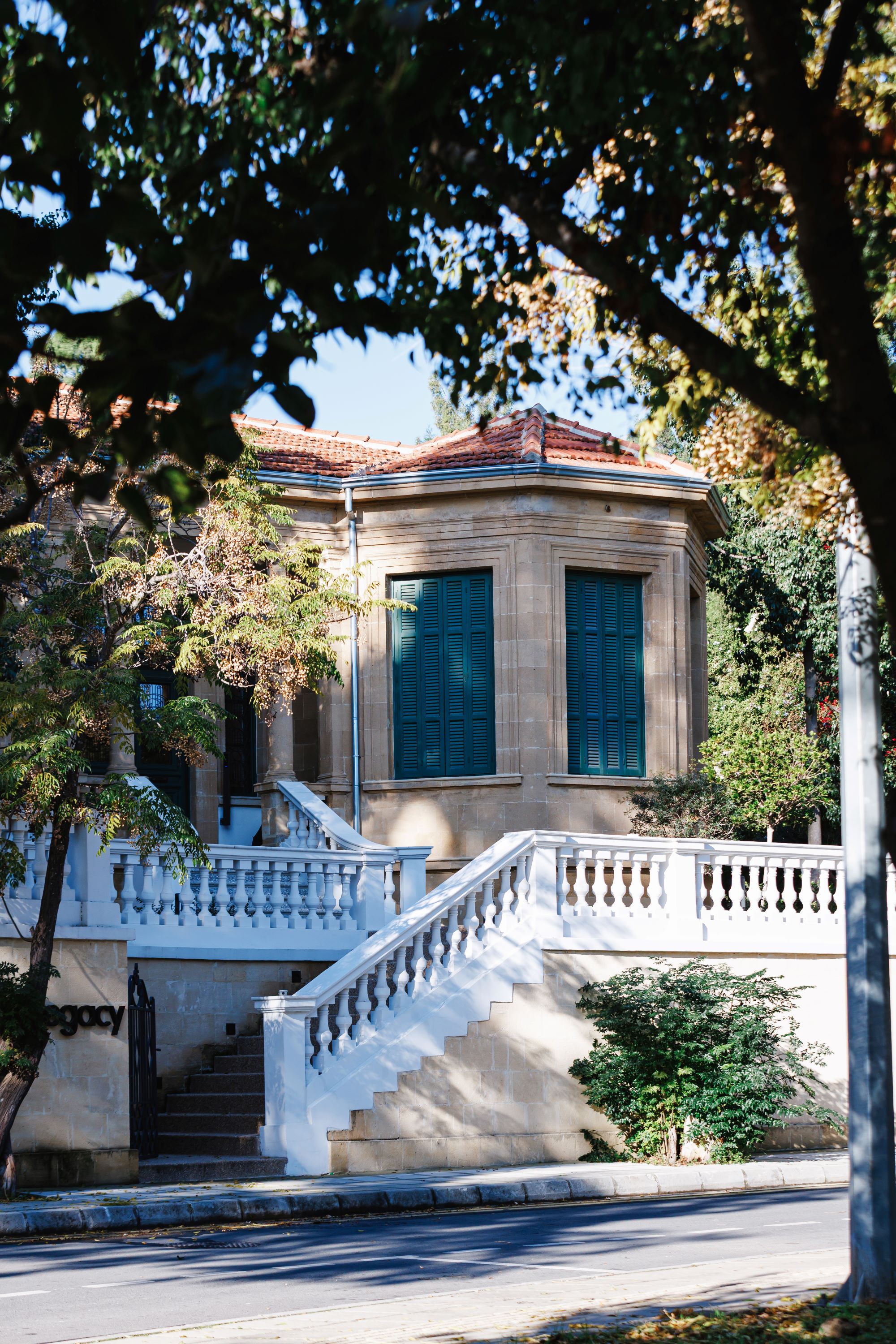
Details That Speak Volumes
In silence, Panayides pointed out an old coal fireplace at the back of the house. “It was imported from England,” he said. “Shallow hearth, black marble, not particularly healthy, but it was the trend. That the family could import a cast-iron fireplace shows their bourgeois roots.”
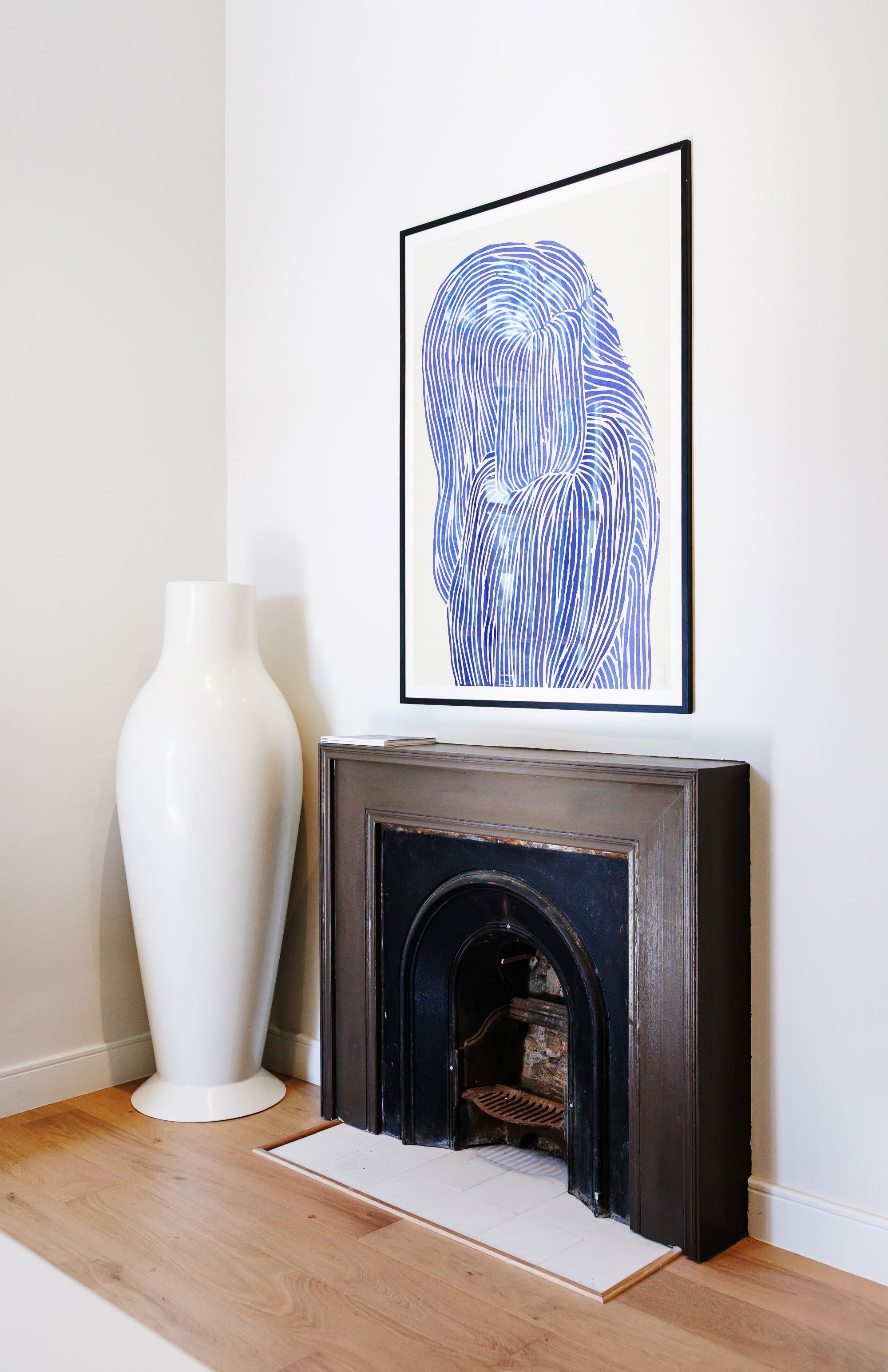
But beyond wealth, the fireplace symbolizes the union of two worlds: Cypriots adopting European customs while maintaining traditional ways of life. This cultural marriage is part of Cyprus’ identity, an island that has always transformed outside influences into something of its own. The fireplace, though no longer used, continues to remind visitors of this balance.
A Neighborhood That Paved the Way
“The 1930s were when Nicosia began to expand beyond its walls,” Panayides said. Technological advances and changes in warfare reduced the walls’ importance, and wealthy families built homes further out, like here on the edge of Agios Andreas. These mansions were statements of social identity as much as homes.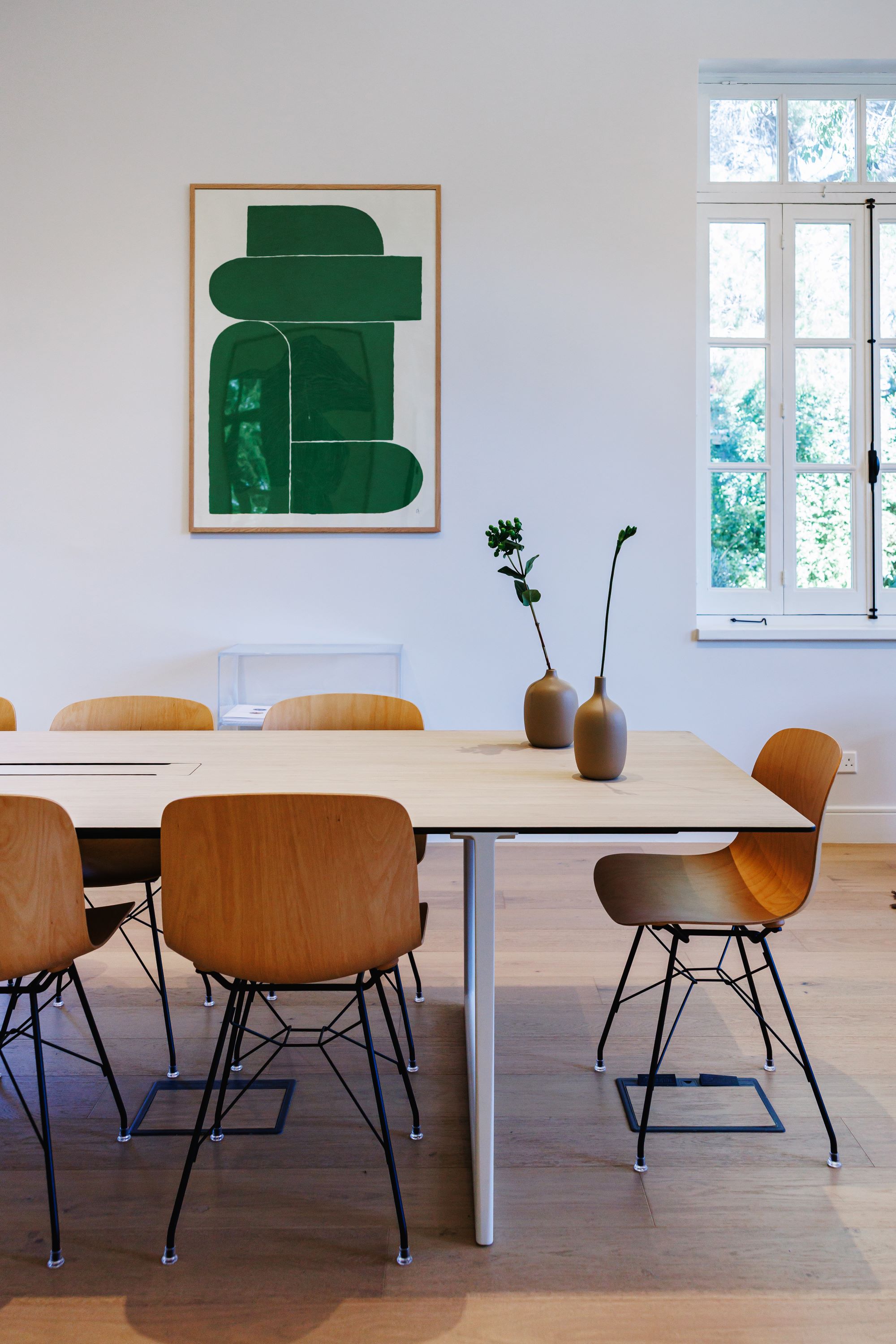
:legacy in a New Era
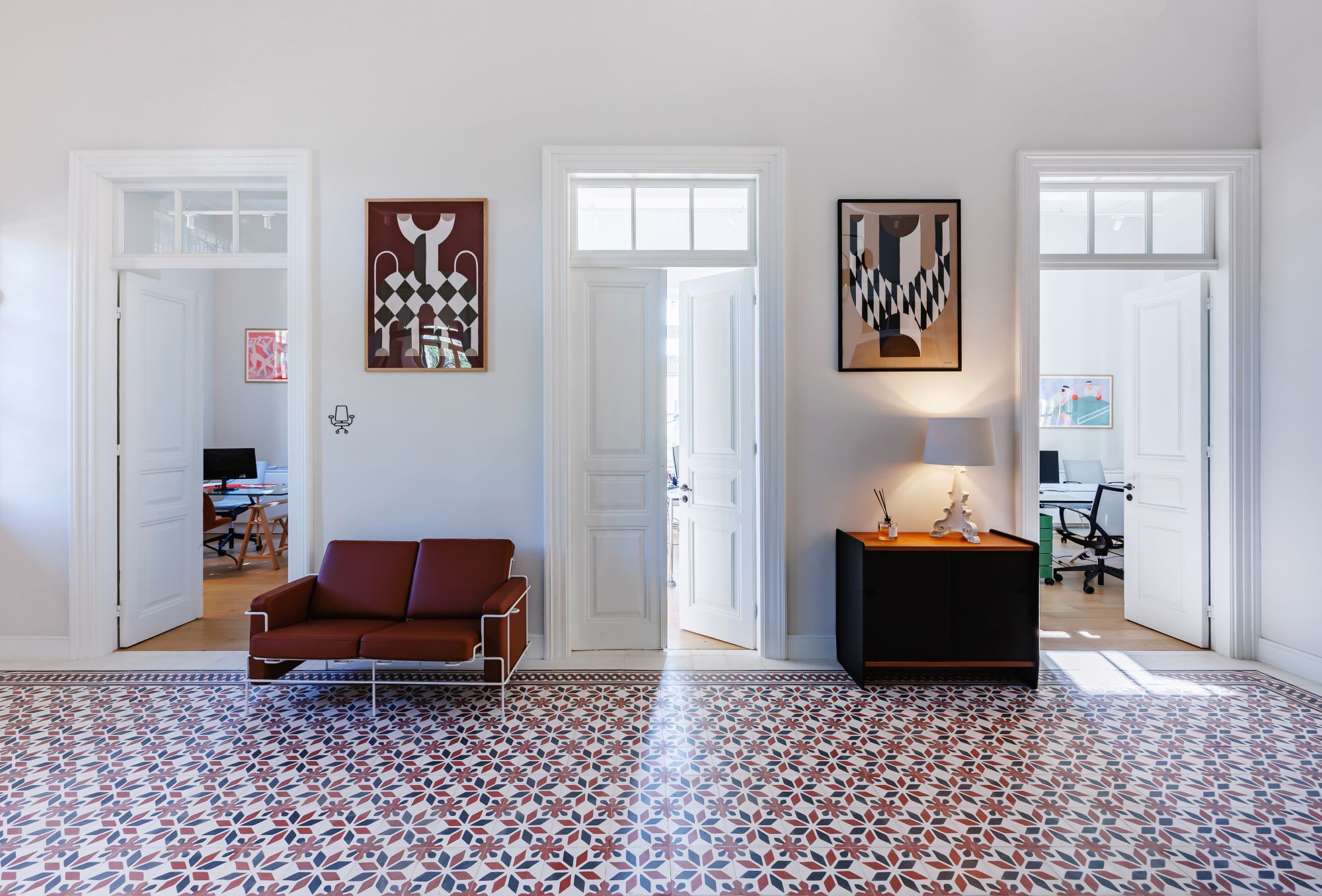
When bbf: took over the building, their goal was clear: breathe life into a piece of Nicosia’s history without losing its authenticity. The mansion was transformed into a workspace that honors the architecture of the 1930s while serving modern needs.
As we said goodbye, the afternoon light brought the details of the house vividly to life. Beneath every stone and every piece of old wood are stories of those who passed through. Today, thanks to bbf:, the mansion is no longer a closed chapter; it is alive with ideas, creativity, and movement.
Perhaps the greatest gift for an old house is to be lived in again, not merely admired. Legacy now enjoys its second life, quietly, gracefully, and ready to host many more stories.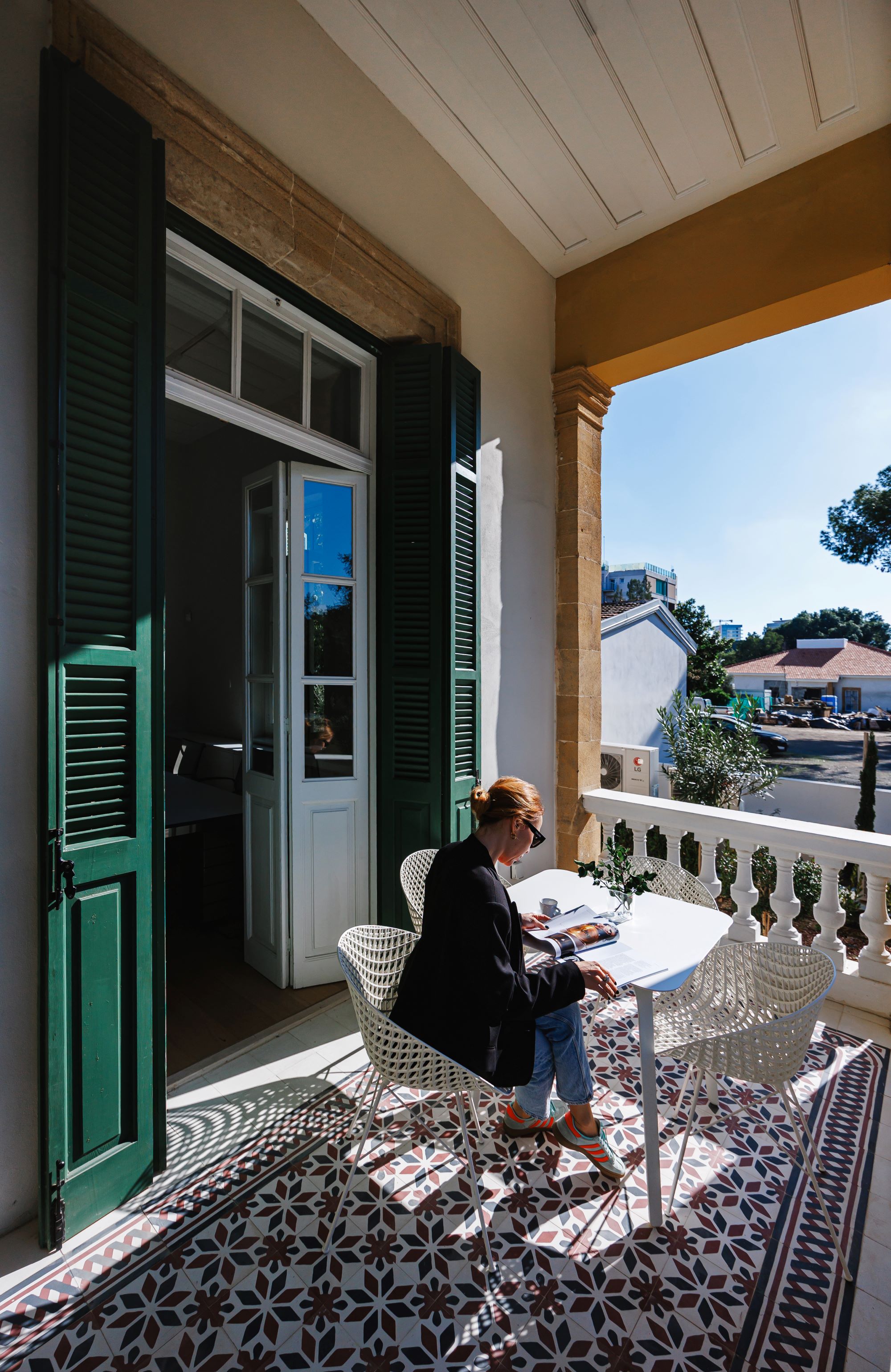
Note on the Photos
Every detail of the interior, from furniture to decorative objects, reflects the vision of the bbf: design team, using selected pieces from their Limassol showrooms.


