Shemaine Bushnell Kyriakides
Epiphany morning began quietly, the kind of soft winter light that makes a spontaneous road trip feel like a small gift. Apostolos Andreas Monastery, at the far tip of the island’s occupied side, had been on my mind for weeks, and it will be my first trip there. So we crossed through the Deryneia checkpoint and set out for the long ride toward the Karpas peninsula, not yet knowing that the most meaningful part of the day wouldn’t be the monastery itself, but the wild donkeys who call that coastline home.
The road to “old Cyprus”
The drive is a long one, two and a half hours of slow curves and open stretches, but it carries a sense of traveling back in time. The further we went, the greener the landscape grew, rolling toward the sea on both sides of the road. It looked like the Cyprus I remembered from the early ’90s: quieter, wider, more untouched. Many say the Karpas still feels like the “old island,” and that morning it truly did.
There is something in their gentleness, intelligence and patience that feels deeply Cypriot...quiet strength, resilience, a refusal to be overlooked.
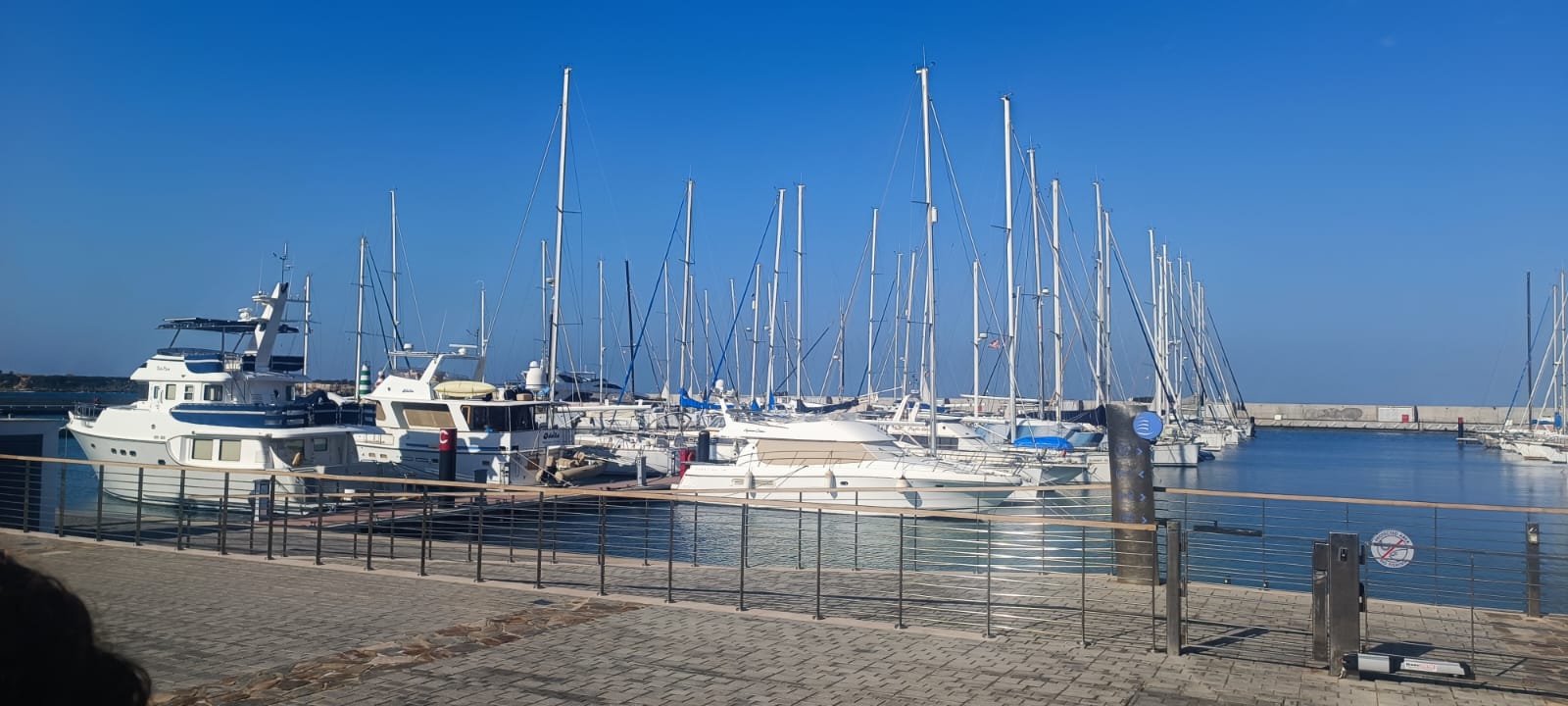
We stopped briefly at a newly built marina. Not busy, not grand, just a clean, well-designed harbor lined with sailboats, peaceful on a Tuesday. Then we continued on, my friend Nicos explaining that these roads were once rough and narrow, only recently paved. Even with improvements, the peninsula maintains its wild edge.
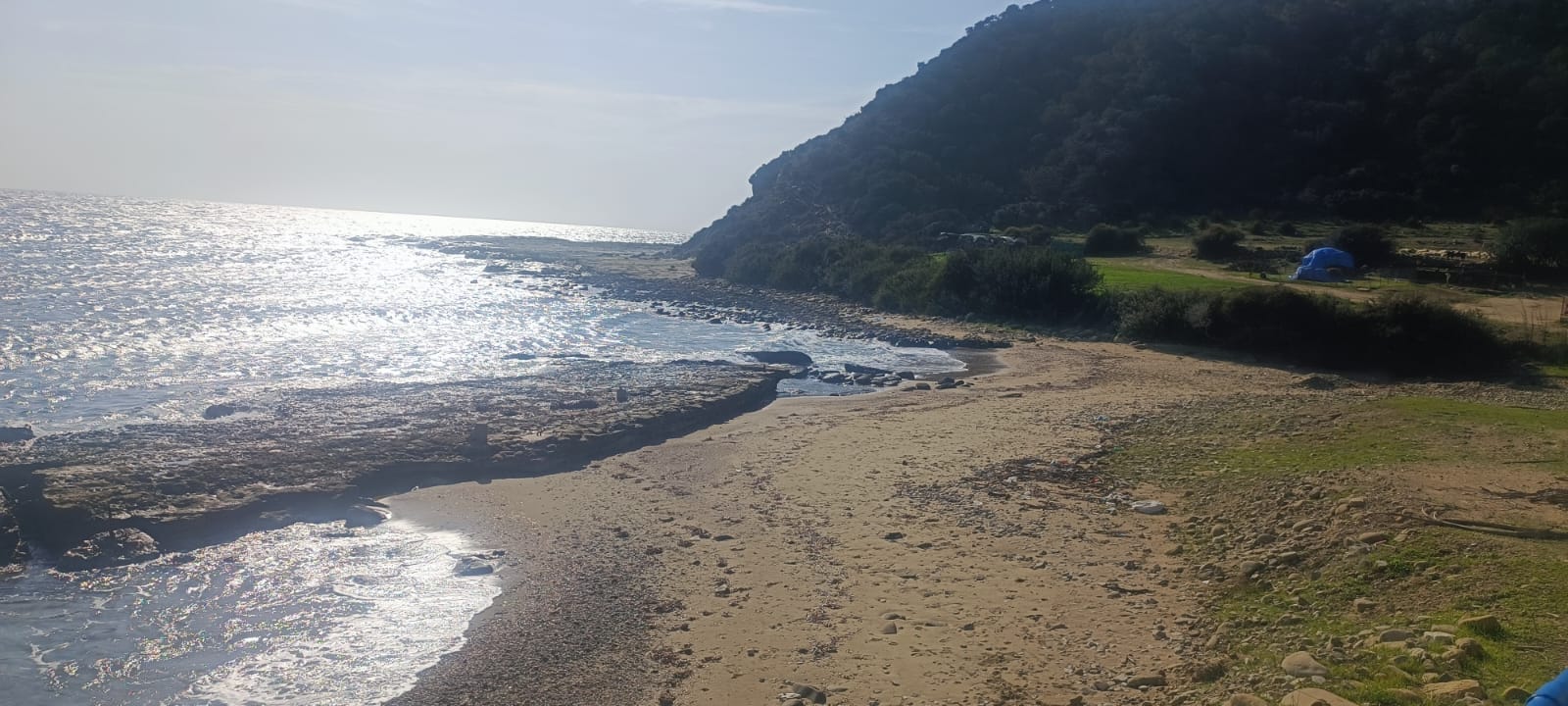
As we got closer to the monastery, sand dunes appeared near Big Sandy Beach, sweeping toward the water with a look that reminded me of California’s Big Sur and Zuma Beach. The waves broke in the same restless way. The whole coastline felt raw and unfiltered.

The donkeys arrive
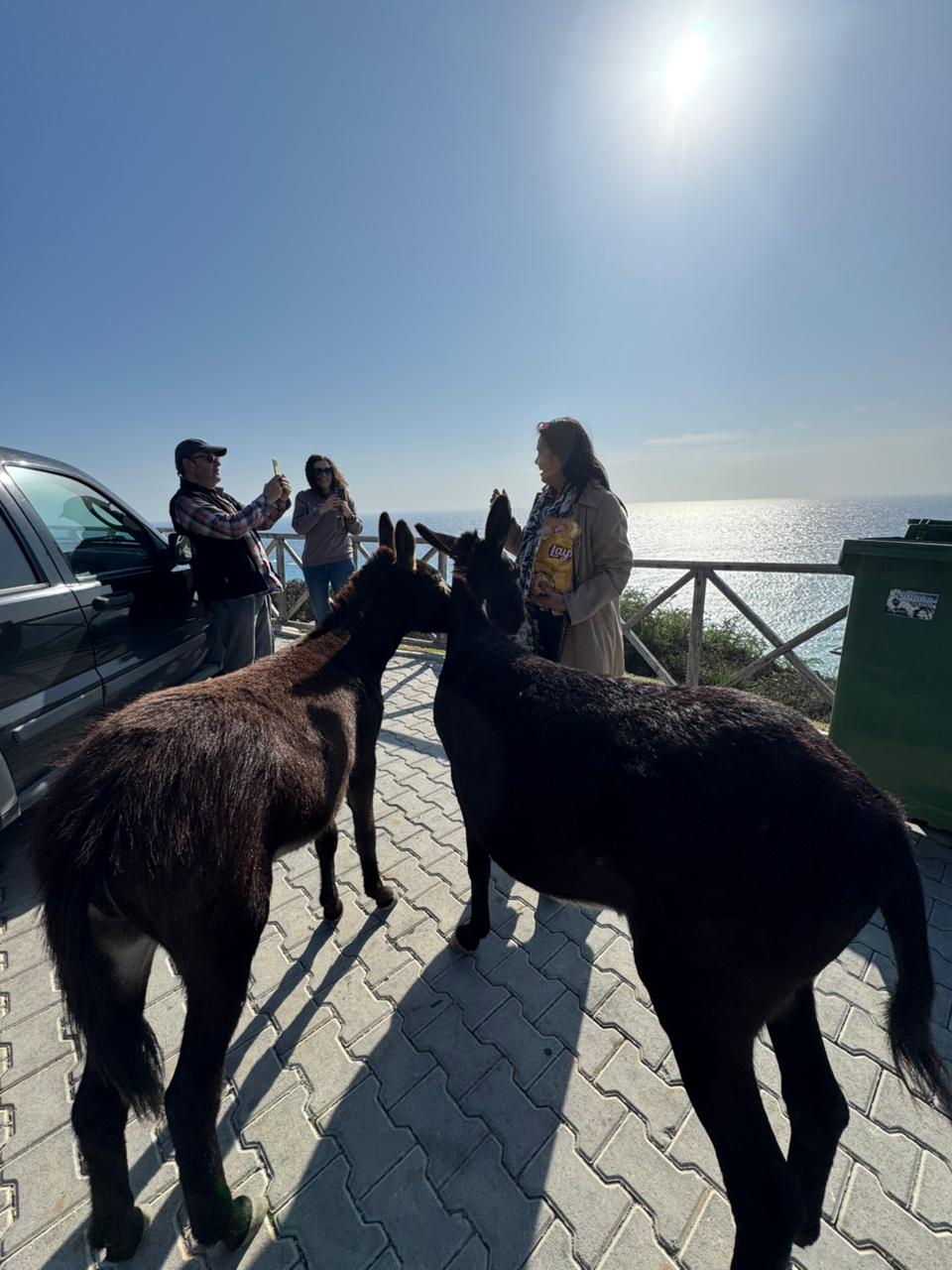
And then, suddenly, six donkeys stood by the roadside.
I didn’t hesitate, I shouted for the car to stop. I’ve always stopped for animals, always tried to feed them, but this time I had no carrots, only Lay’s potato chips. My daughter and I stepped out anyway, and the donkeys walked straight toward us with the confidence of locals who know exactly how this works.
They nudged the car. They pressed their noses against us. They hovered so close they practically blocked the door, as if to say, 'You’re not leaving until we get our treats'.
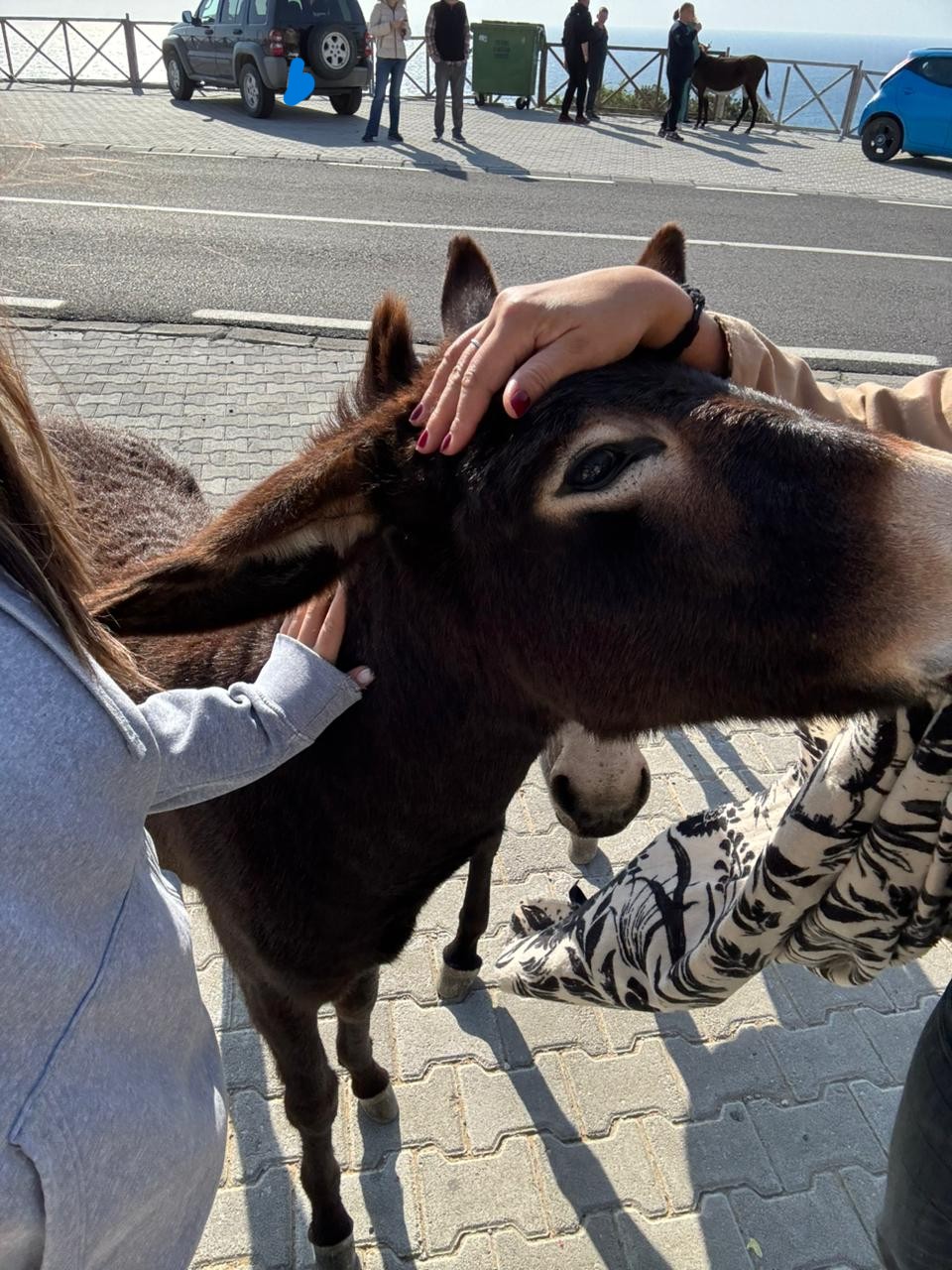
My friend Nicos kept his distance; my other friend Elaine stayed calmly cautious. My daughter and I simply gave in, feeding them chip after chip. They loved it. They knew we were the soft-hearted tourists, and we didn’t mind at all.
It was a simple moment, but it became the part of the day that rooted itself in my memory. There was something honest in their presence, wild, yet gentle; persistent, yet harmless. It felt like meeting the spirit of the peninsula itself.
A monastery at the edge of the Island
We drove on, passing more donkeys near the entrance, and arrived at the monastery. One donkey even stood there waiting, as if it belonged to the welcoming committee.
Inside, Apostolos Andreas was as serene and well preserved as the photos I had seen for years. Visitors moved quietly through the church, Greek Cypriots, Turkish Cypriots, families with children. I saw a man who had clearly suffered a stroke light a candle, praying with a sincerity that made the space feel even more meaningful. People believe deeply in the monastery’s miracles, and watching him made that belief tangible.

I collected some holy oil using the cotton provided, intending to share it later. The priest greeted us warmly.
Outside, vendors lined the walkway. A Turkish Cypriot seller offered us carobs, the ultimate donkey snack, which we bought to share on the way back. Our purchase quickly passed the test: one cheeky donkey swiped a few straight from the vendor’s basket, and another didn’t hesitate to help itself, as if giving our choice a thumbs-up. For good measure, we also grabbed some local halloumi, a small nod of respect to the local area.
Lunch by the sea and a slow return
Hunger eventually pulled us to Nicos Tavern, a seaside spot known among Greek Cypriots passing through the area. The welcome was immediate and genuine, the kind of filoxenia found on both sides of the island, even if not mentioned often in write-ups.
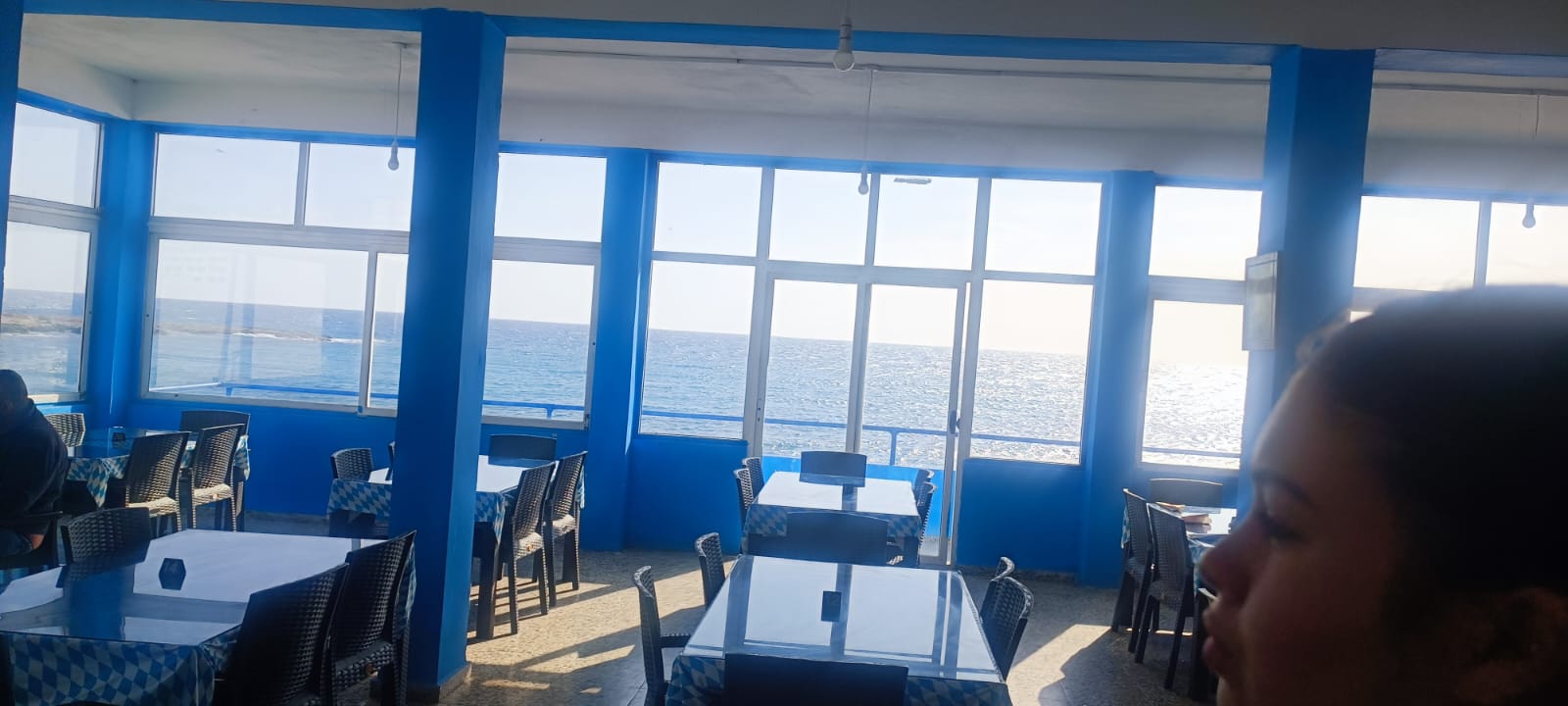
We ate simply: fresh fish from the sea just meters away, salad, potatoes. Clean flavors, nothing heavy. Before leaving, we bought locally harvested salt, which I’m still enjoying long after the trip.
With daylight fading, we made a short stop in old Famagusta for coffee before crossing back through the Ledra Palace checkpoint, a quicker exit and one that gave us a glimpse of a different route home.
What stayed with me
By the time we reached home, we were exhausted but full of stories from a full day across the island’s divide. Yet the thing I talked about most, the part that stayed warmest in my mind, was the donkeys.
For all the beauty of the Karpas, the history, the sea, the monastery, it was the donkeys that captured the soul of the journey. There is something in their gentleness, intelligence and patience that feels deeply Cypriot...quiet strength, resilience, a refusal to be overlooked.
They are not just roadside animals. They are the living heartbeat of that peninsula.
And for me, on Epiphany morning, they became the unexpected treasure of Cyprus itself.