By Renee Strouthou
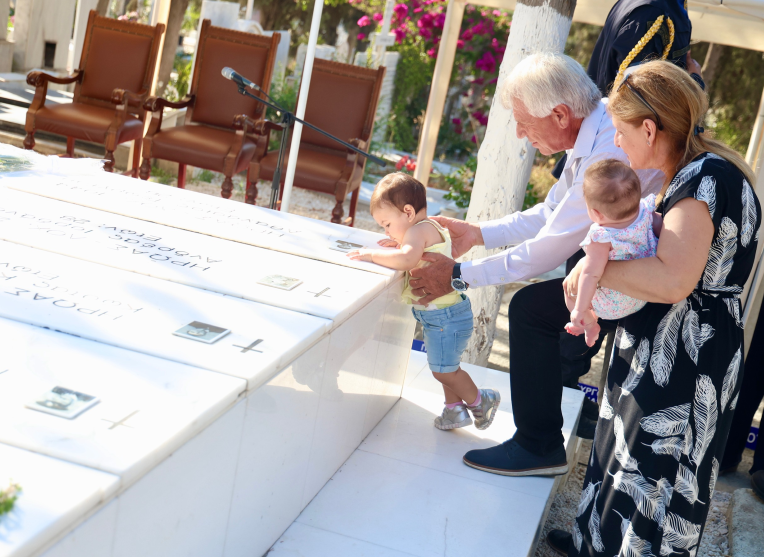
For many Cypriot families, the events of 1974 are not simply written in history books. They live on in stories told by grandparents, in photographs kept in drawers, in names engraved on marble tombs, and in memories passed from one generation to the next.
A child placing a hand on the grave of a loved one lost during those tragic days is a reminder that, 52 years later, the wounds of Cyprus’ past are still felt by families who continue to carry the weight of what happened.
Today marks the 52nd anniversary of the coup d’état in Cyprus, an event that forever changed the lives of both Greek Cypriots and Turkish Cypriots.
If you noticed older relatives becoming more emotional this week, there is a reason. For those who lived through 1974, these dates bring back memories of fear, uncertainty, and loss.
Many Cypriots woke up this morning to the sound of sirens at 8:20 a.m., marking the exact time the coup began. For some, the sound brought back painful memories. For others, especially younger generations, it served as a reminder of a history that continues to shape the island today.
The coup was organized by the Greek military junta, led by figures including Dimitrios Ioannidis and Georgios Papadopoulos, in cooperation with the right-wing organization EOKA B.
Their goal was to overthrow Cyprus’ president, Archbishop Makarios III, and achieve Enosis, the union of Cyprus with Greece.
However, the plan did not unfold as intended.
After taking steps to protect children and help people around him, Makarios fled to a monastery in Paphos. The junta falsely announced on national television that he had been killed.
Determined to reassure his people, Makarios delivered a message from a radio station in Paphos:
"Greek Cypriot people! You know my voice! You know who is speaking to you. I am Makarios. I am the one you elected to be your leader. I am not dead... I am alive, and I am with you, a fellow fighter and standard-bearer in the common struggle."
Makarios later traveled to London, where he sought international support. The United Nations Security Council adopted Resolution 353, calling for a ceasefire and respect for Cyprus’ sovereignty.
But the crisis did not end there.
Just five days later, on July 20, 1974, Turkish forces launched the first military operation in Cyprus. A second offensive followed on August 14-15, resulting in Turkish forces gaining control of approximately 36.3% of the island, a situation that remains unchanged today.
Thousands of people were forced to abandon their homes, workplaces, and belongings almost overnight. Many became refugees in their own country, and decades later, many have still not been able to return.
The events of 1974 left deep scars on Cyprus, transforming what had once been a close relationship between Greek Cypriots and Turkish Cypriots into decades of division, pain and unresolved questions.
Remembering those lost
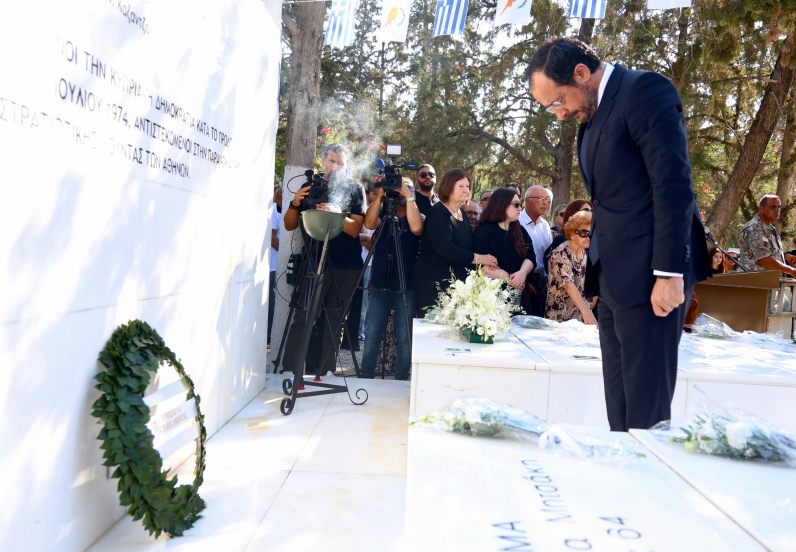
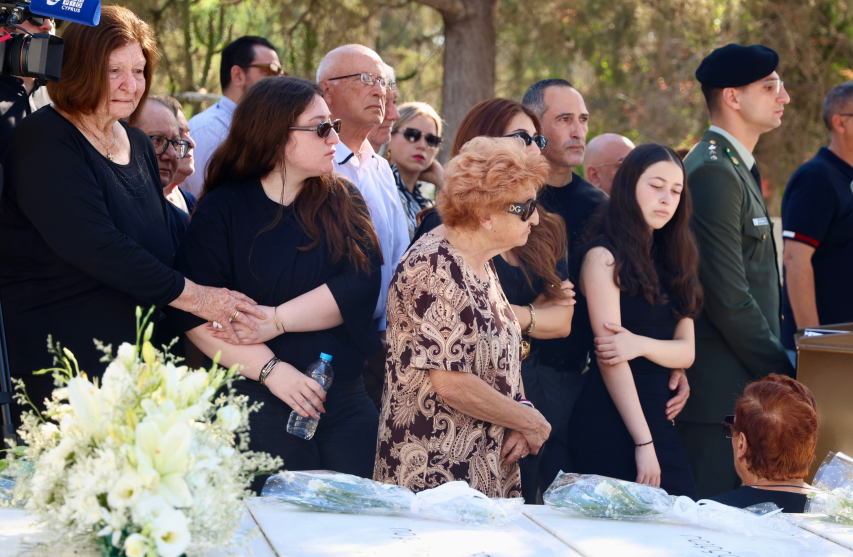
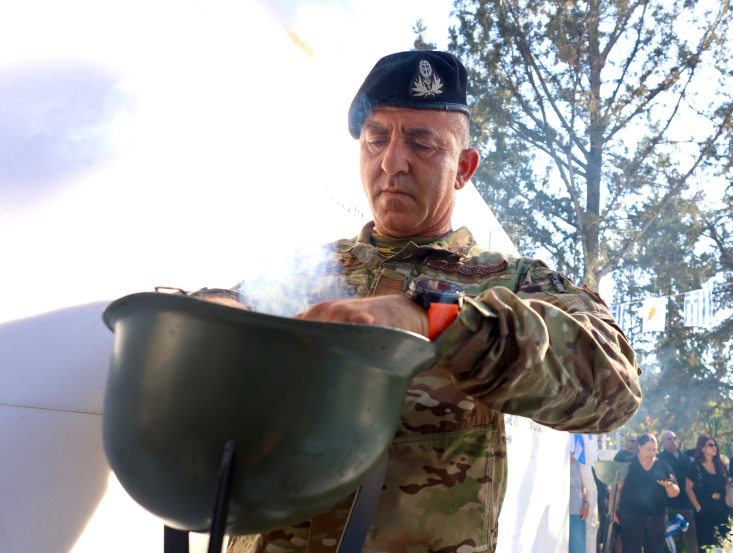
To honor those who lost their lives during the coup, a memorial service was held today, attended by politicians, children, and grieving families.
Among those present were people whose lives were directly shaped by the events of 1974 and families who continue to mourn relatives lost during those days and who ensure that their stories are not forgotten.
The memorials are not only about remembering the past, but also about recognizing how deeply those events continue to affect generations born long after the fighting ended.
The sirens will sound again on July 20 at 5:30 a.m., marking the start of the first Turkish invasion and remembering another painful chapter in Cyprus’ modern history.