

By Mimis A. Sophocleous
Limassol is one of the clearest examples in the Eastern Mediterranean of a city that transformed its economic identity over the centuries. What began as a small farming settlement gradually developed into a complex economic hub with international reach. Its geographic position, historical circumstances, and the adaptability of its people shaped a dynamic economic journey.
This study examines the key stages of that evolution and the forces that shaped Limassol’s economic character. The city’s history can be divided into major periods of economic growth, each defined by different industries and influenced by both local and international developments.
As one of Cyprus’ most important cities, Limassol played a central role in trade, shipping, and services. Its location made it a strategic connection point between Europe, the Middle East, and North Africa.
Antiquity and the Middle Ages
In ancient times, Limassol was not a major urban center. It was a small settlement located between stronger city kingdoms such as Kourion and Amathus. The local economy relied mainly on agriculture, fishing, and limited trade.
During the Byzantine era, the region kept its agricultural identity while its strategic position increased its importance for defense and control of maritime routes. The Frankish period marked a turning point as Limassol started developing into a commercial center linked to European trade networks through the Crusaders. Trade expanded in wine, fish, salt, and agricultural products. Venetian rule continued this commercial activity, although frequent raids and instability slowed development.
Under Ottoman rule from 1571 to 1878, economic and commercial growth remained limited. The economy stayed largely agricultural, focused on grain, carobs, and wine, while heavy taxation and weak administration restricted expansion. During this period, education also gained importance with the establishment of the Greek School of Limassol in 1819.
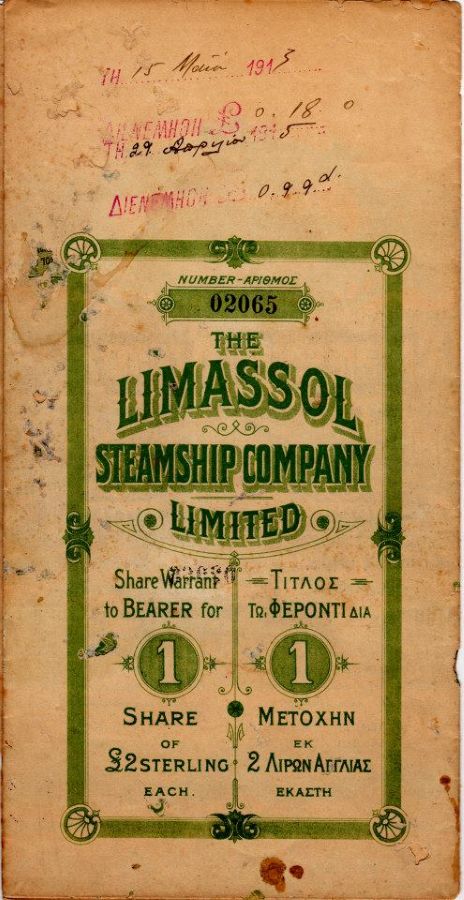 A share certificate of the Limassol Steamship Company, the first Cypriot shipping company, founded in 1905 by Aristoklis Pilavakis.
British colonial period (1878 to 1960)
The arrival of the British in 1878 marked the beginning of a new era. Infrastructure improvements and modern administrative practices contributed significantly to economic growth. The construction of the large pier in 1881 changed the city’s trajectory and helped transform the port into a major export hub for products such as wine, citrus fruits, and carobs.
New professions emerged and industry expanded, especially in food processing and winemaking. Limassol developed into an important industrial center in the Middle East. The first banks and commercial companies were founded, encouraging entrepreneurship and investment. Factories and construction projects established the city as the industrial and commercial capital of Cyprus.
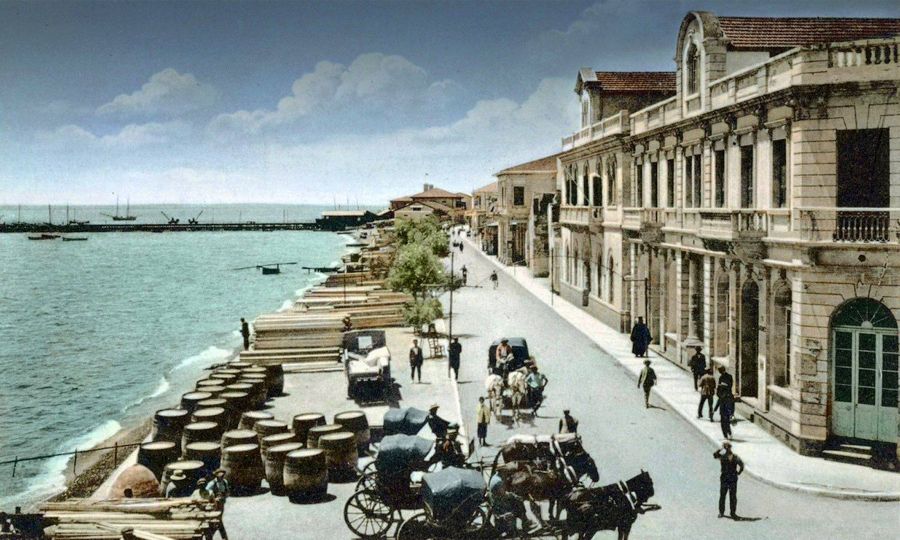 The famous Hotel Continental in the 1930s, in a photograph by John Lindros. The wine barrels are about to be loaded onto the barges.
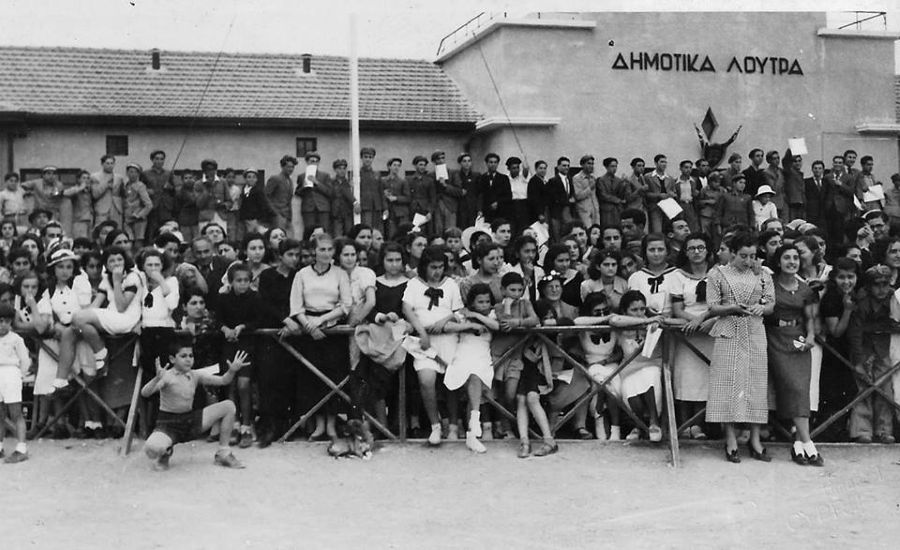 The Municipal Baths were a landmark along the beachfront and had a strong presence during the 1950s and 1960s. Today, the area is known as Olympion Coast.
After independence
After Cyprus gained independence in 1960, Limassol became a major commercial and cultural center. The Wine Festival, launched in 1961, grew into a major commercial and cultural institution. The local economy combined agriculture, industry, and services, while tourism expanded through hotel construction and the promotion of the city as a holiday destination.
Following the Turkish invasion in 1974, the city went through major changes. Limassol absorbed a large number of refugees and experienced rapid urban growth. Despite the challenges, the city rebuilt successfully. The new port became the country’s primary commercial harbor, while shipping developed into a key pillar of the economy.
 A KEO employee fills barrels with Commandaria wine at the factory pier.
1980s to 2000s
During these decades, Limassol developed into an international shipping center. Foreign shipping companies opened offices in the city, supported by favorable legislation and taxation. Banking and financial services also expanded, attracting foreign investment. Tourism grew rapidly with the construction of large hotels and the continued popularity of cultural events such as the Carnival and the Wine Festival.
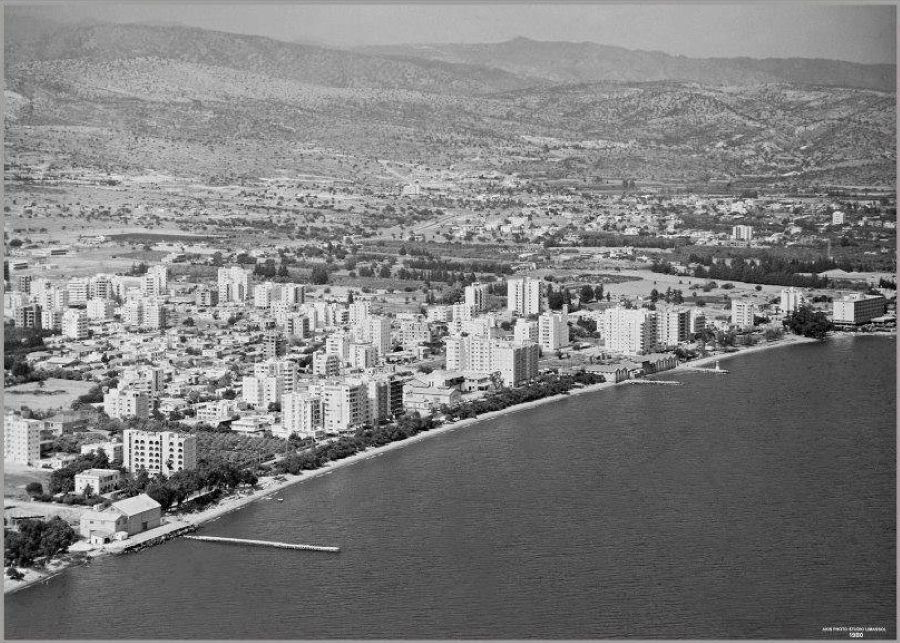 Limassol from above in 1980, in a photograph by Akis Kleovoulou.
Modern economic trends
At the start of the 21st century, Limassol strengthened its position as one of the Mediterranean’s leading shipping centers. Upgraded port infrastructure and logistics services reinforced its role as a transit hub.
Tourism remained a major pillar of the economy, with increasing emphasis on luxury and quality. Marinas, luxury hotels, and foreign investment boosted the real estate market, particularly through the investor naturalization program.
In recent years, Limassol has also emerged as a center for technology, innovation, and startups. Technology companies, fintech firms, and the Cyprus University of Technology contributed to a more innovation driven economy.
The city felt the effects of both the 2013 financial crisis and the COVID-19 pandemic, especially in tourism and banking. Still, its diversified economy and strong shipping and technology sectors helped support a relatively quick recovery.
Conclusions and future prospects
The economic history of Limassol reflects its ability to adapt to changing conditions and take advantage of new opportunities. From a small agricultural settlement, it evolved into an international economic center with strong positions in shipping, tourism, and services. Looking ahead, Limassol is expected to continue developing with a focus on innovation, sustainability, and the digital economy.
Mr. Mimis A. Sophocleous is the Scientific Director of the Patticheio Municipal Museum, Historical Archive, and Limassol Studies Center.


