By Maria Karamanou
There are only a few moments during the year that have the power to bring all of Cyprus together, and Kataklysmos is certainly one of them. For generations of Cypriots, the arrival of Kataklysmos meant far more than a public holiday or a long weekend by the sea.
It meant the biggest summer gathering of the year. Preparations would begin days in advance, families would dress in their finest clothes, cars would be packed with relatives and friends, and an endless stream of people would make their way to Larnaca. 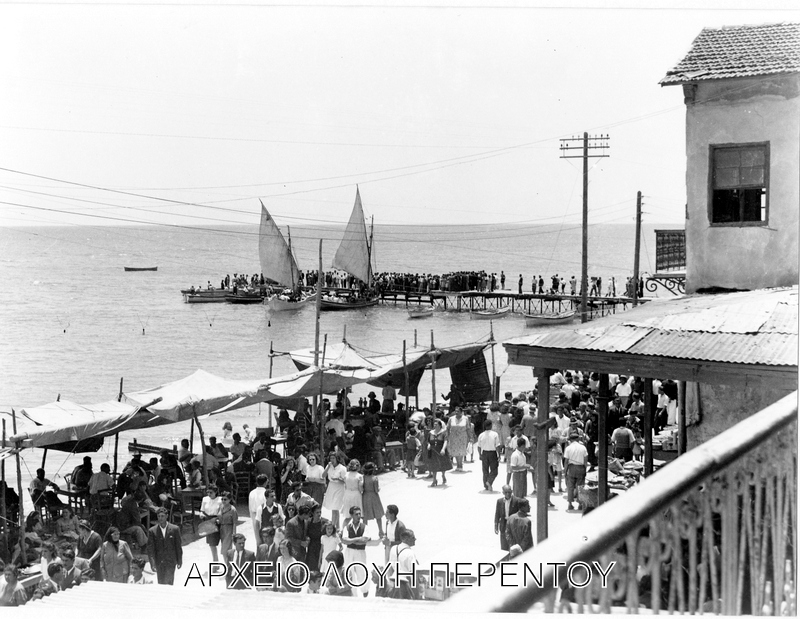 Image from Kataklysmos celebrations in Larnaca before 2000
It was a time when old friends reunited, relatives who had not seen each other for months — or even years — embraced again, children ran along the Finikoudes promenade, and the elderly sat on benches remembering the Kataklysmos celebrations of another era.
But the story of this festival does not begin decades ago—it goes back centuries. To understand why Kataklysmos remains Cyprus’ most recognizable folk celebration today, we must travel back in time to a period when the sea, tradition, poetry, music, and the soul of the people came together to create something truly unique.
In ancient times, seaside celebrations were linked to the worship of Aphrodite, the goddess who, according to mythology, emerged from the foam of the sea. Young women dressed in white gathered along the shores, singing, dancing, and throwing flowers into the sea in her honor.
These celebrations symbolized fertility, the renewal of nature, and the life-giving power of water. They included music, poetry contests, dancing, and sea-related activities—traditions that, in different forms, have survived until today. 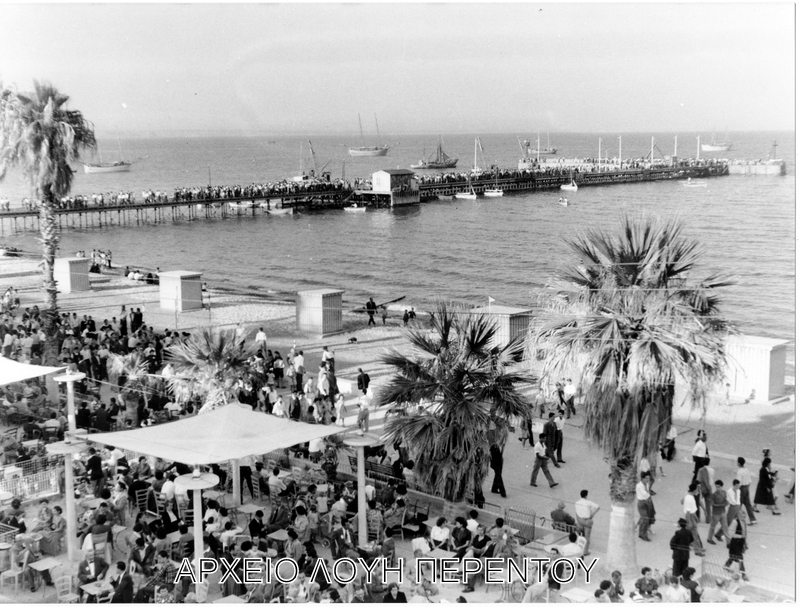
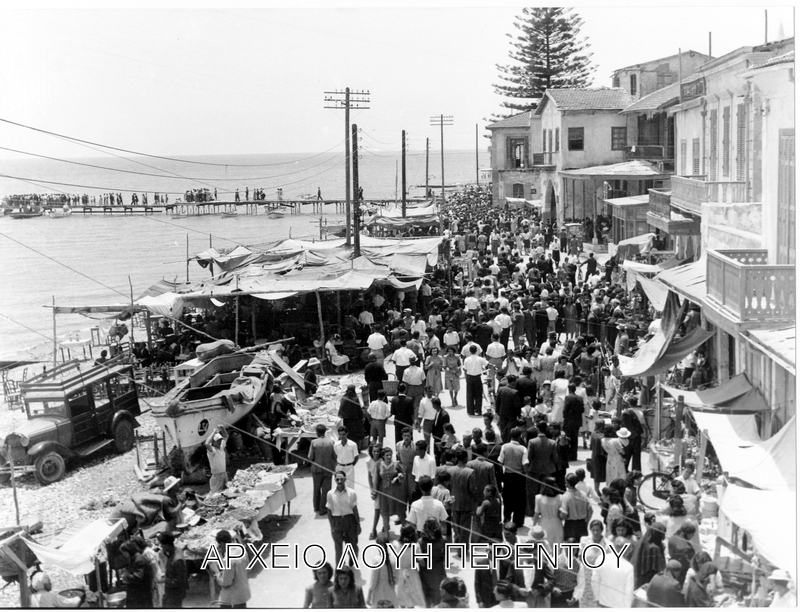
Athens Avenue in Finikoudes, full of people celebrating Kataklysmos before 2000
Over the years, Larnaca became the heart of Kataklysmos celebrations. Historical records from the late 19th century mention thousands of visitors arriving from villages and towns across Cyprus. Some brought local products to sell; others came searching for goods, while poets and musicians waited for the opportunity to showcase their talent before the crowds.
The first organized Kataklysmos festival in Larnaca took place on June 10, 1918, through the initiative of local historian Neoklis Kyriakides. The celebration was held in the square of the Commercial Club, where a wooden stage was set up for poets, musicians, and performers. The event attracted officials, journalists, and large crowds. 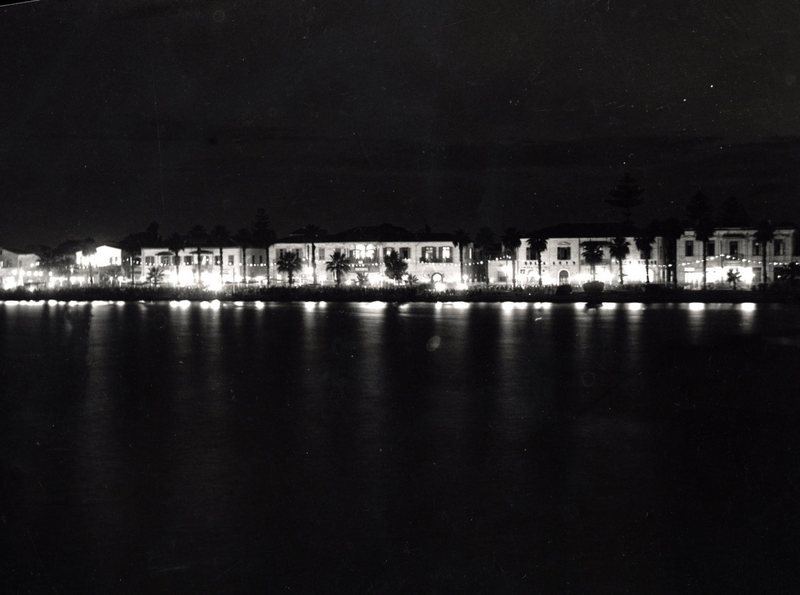
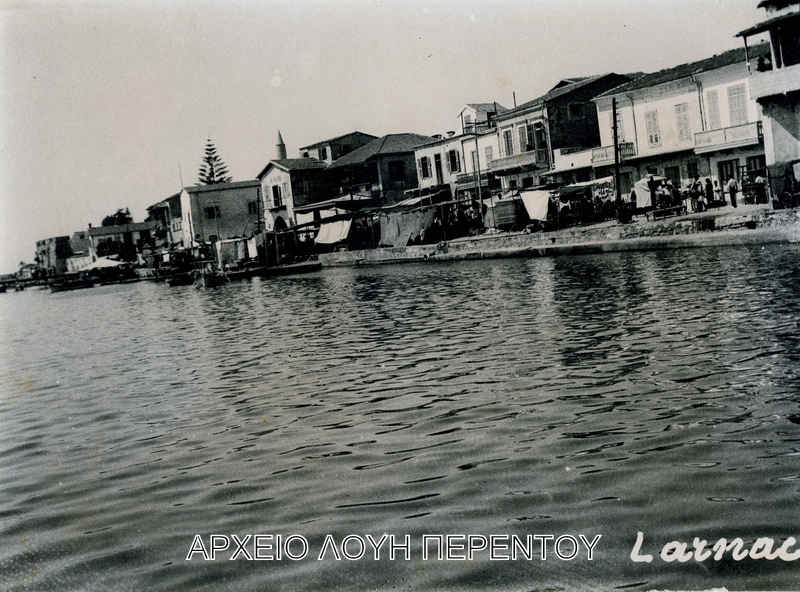 Old images along Finikoudes before 2000
As the years passed, Kataklysmos grew into a grand folk festival. The streets filled with people, the beaches became places of celebration, and for a few days Larnaca became the center of Cyprus.
The spontaneous poetry battles once held on the sand moved onto stages; tsiattista—Cyprus' traditional improvised poetic duels—became an institution, and musicians, dancers, and folk artists found in Larnaca the biggest stage they could imagine. 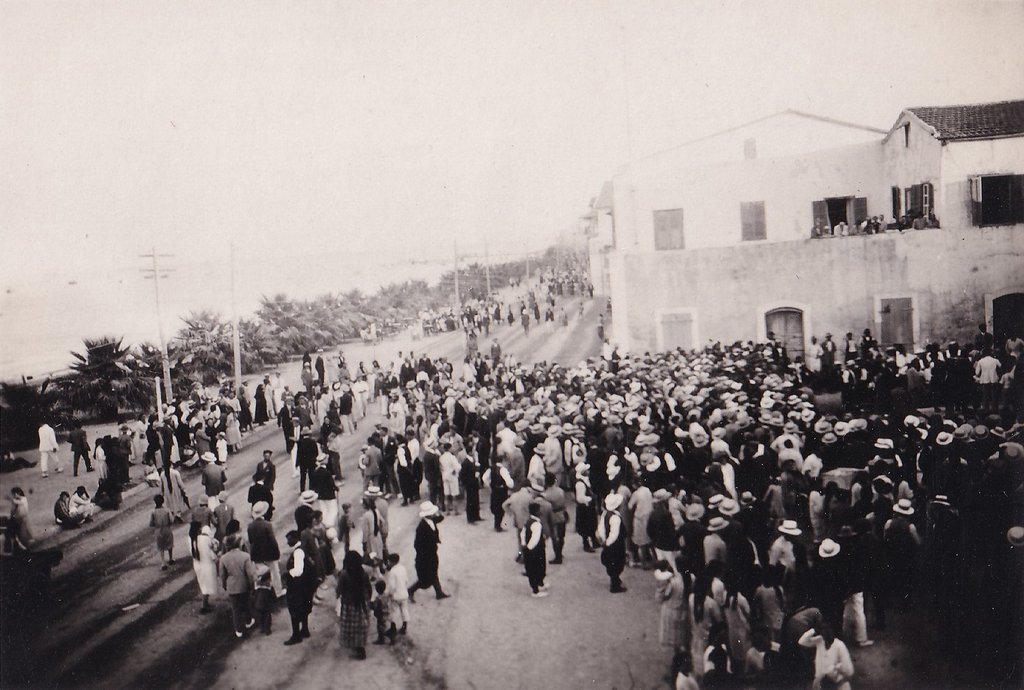 1929, celebration of Kataklysmos in Larnaca (Old Town Hall Square)
For decades, Kataklysmos meant one thing: all of Cyprus went to Larnaca.
Families would leave at dawn by bus, trucks and later by car. Relatives who had not seen each other in years would meet again at Finikoudes. Old friendships were revived and new romances were born in the festive atmosphere. Video of crowds visiting Larnaca for Kataklysmos celebrations, while others ended up on the city's beaches. We see the Flood festival at Finikoudes beach in Larnaca, children's games, street vendors and traditional delicacies.
It was the time when parents arranged to meet “at the castle," children ran around with water guns, and stopping for loukoumades became almost a tradition of its own.
The festival stretched along the entire seafront, from the marina to the medieval castle. Stalls selling traditional products, handmade crafts, toys, sweets, and food created a scene that felt like stepping back into another era. 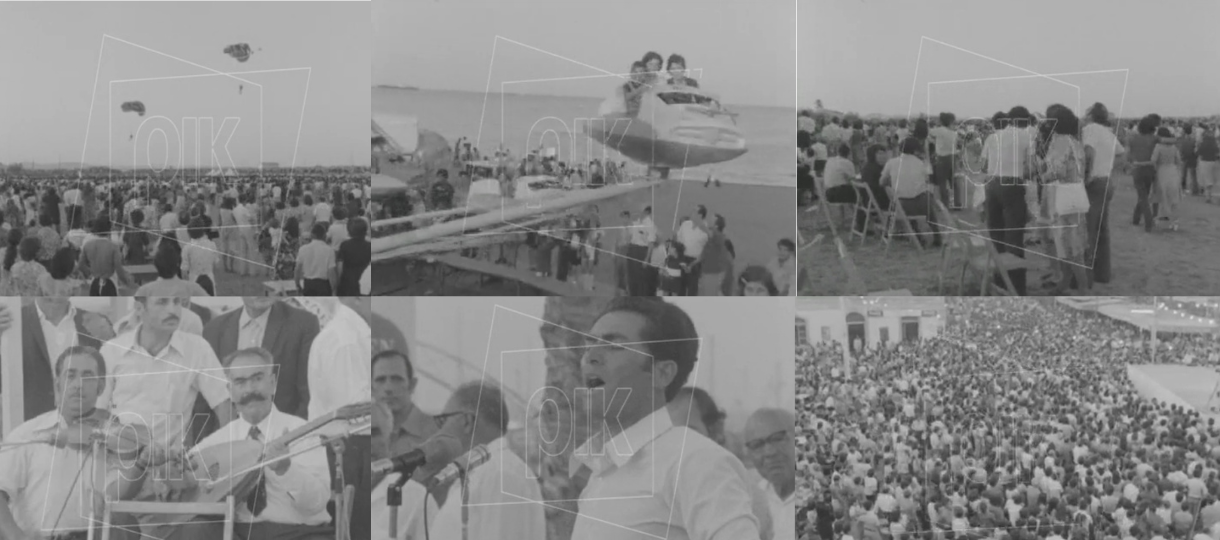 Crowds of people rush to watch the Kataklysmos celebration at Finikoudes beach in Larnaca. The Kataklysmos celebrations in 1976 were the first after the Turkish invasion. The program included a tsiattis competition, poetry recitation, and traditional Cypriot dances.
Visitors enjoyed competitions in tsiattista, love songs, traditional dances, flute performances, and folk music. The customs were presented in their most authentic form, passed down from generation to generation.
Today, the Kataklysmos festival of Larnaca is considered the largest folk celebration in Cyprus and one of the most important celebrations of Hellenism. The city continues to keep this centuries-old tradition alive, welcoming thousands of visitors every year. 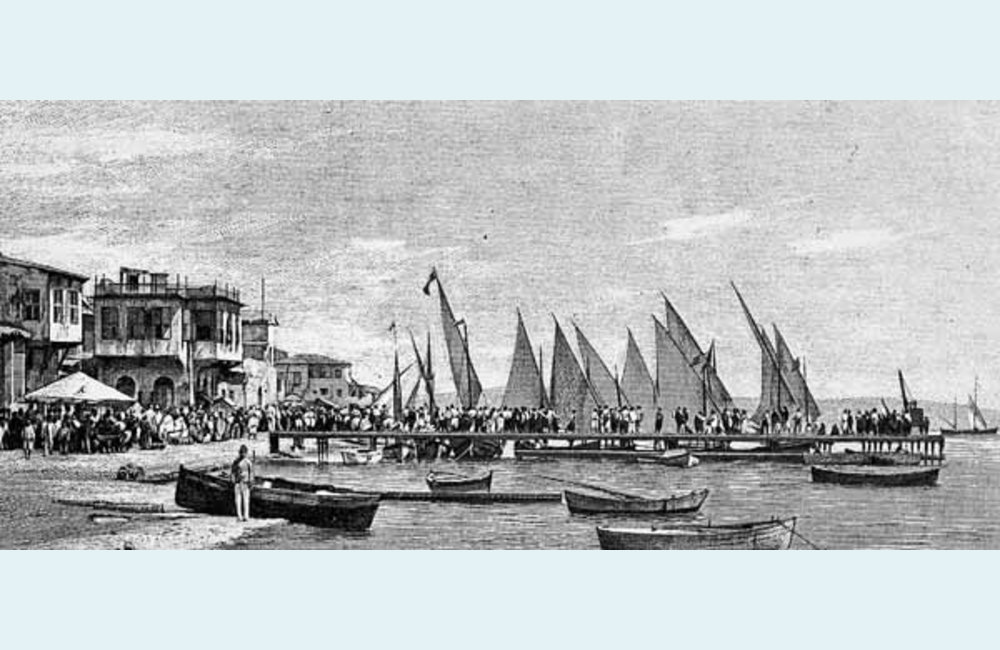 Kataklysmos in Larnaca. Drawing by the French artist Boudier (1897)
It is no coincidence that both tsiattista and the Kataklysmos festival itself have been recognized by UNESCO as elements of intangible cultural heritage.
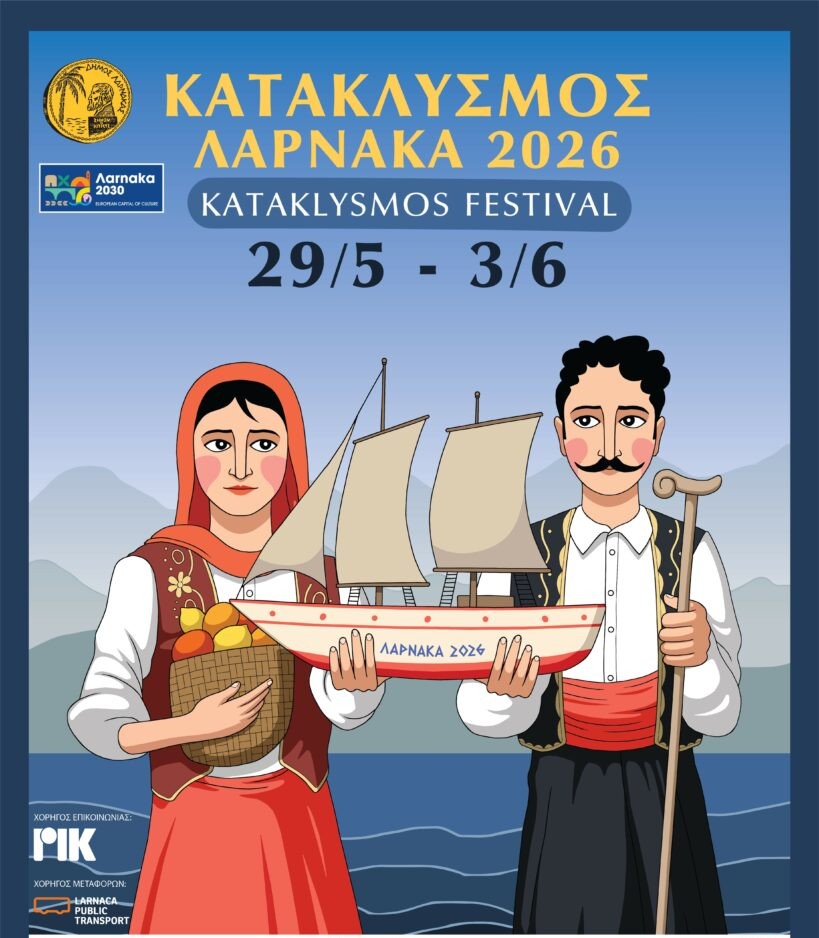
This year, Larnaca is once again preparing to dress in its festive colors. From May 29 to June 3, 2026, Finikoudes, Europe Square, the Medieval Castle, and the entire seafront will come alive with music, traditional sounds, dances, shadow theater, handicrafts, and performances by popular artists from Cyprus and Greece. 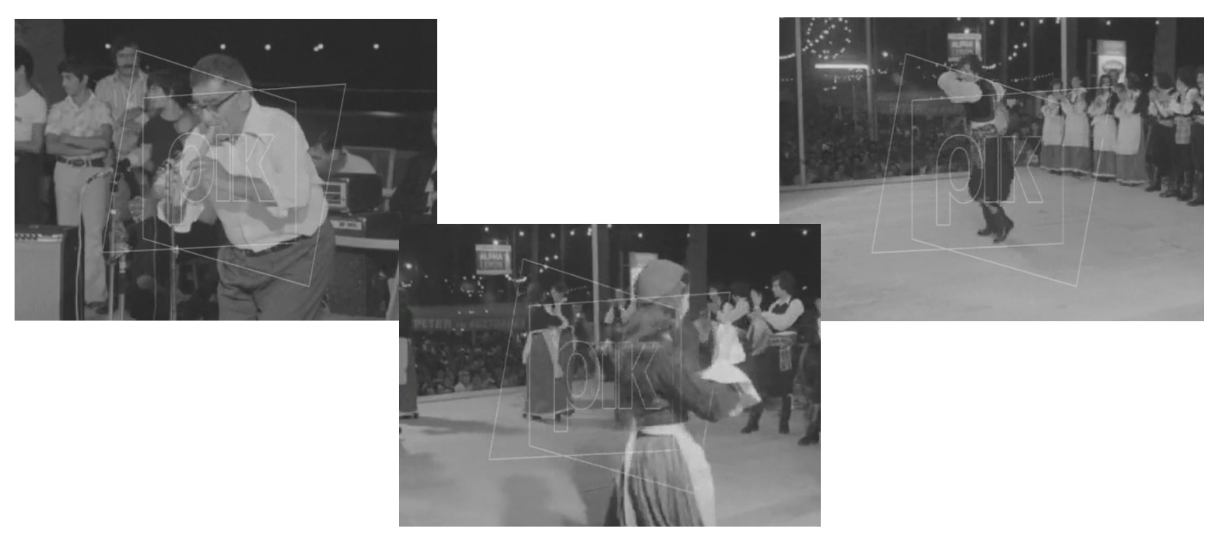 Images from Kataklysmos events in Larnaca in 1976.
Visitors will enjoy tsiattista contests, love songs, traditional dances, flute and ballos performances, discover old Cypriot professions at Kimon Square, and experience the unique atmosphere of a festival that remains as authentic as few others. 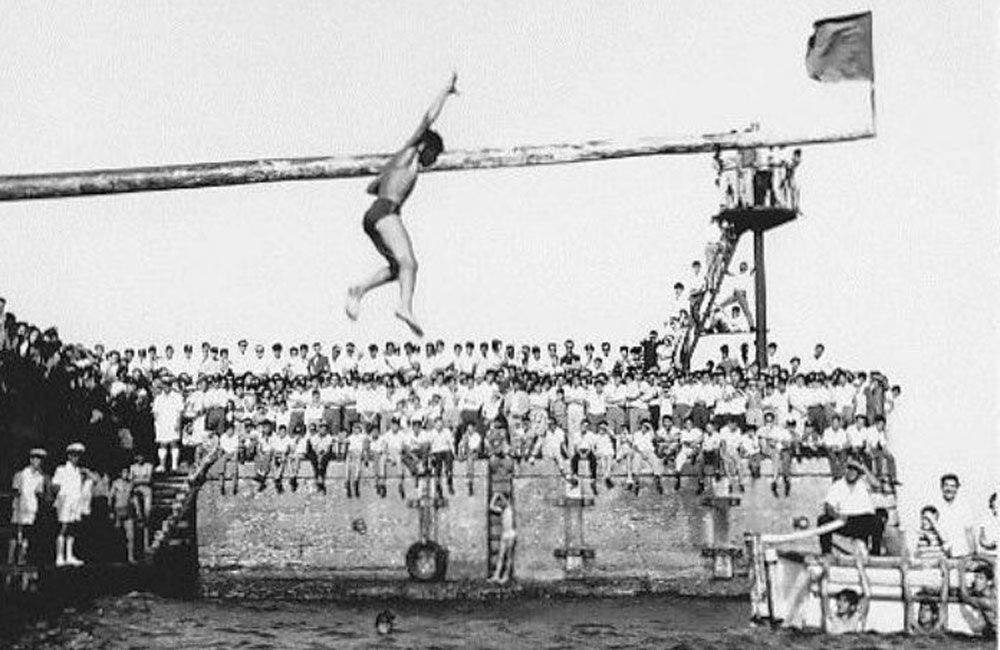 The traditional slippery pole contest at Kataklysmos.
The traditional Shadow Theatre Festival will be held at the Medieval Castle, while the city’s main stages will host beloved performers from Cyprus and Greece, including Evridiki, Despina Olympiou, Kostas Hadjichristodoulou, Panos Kiamos, Andromache, Katerina Lioliou, and many more. 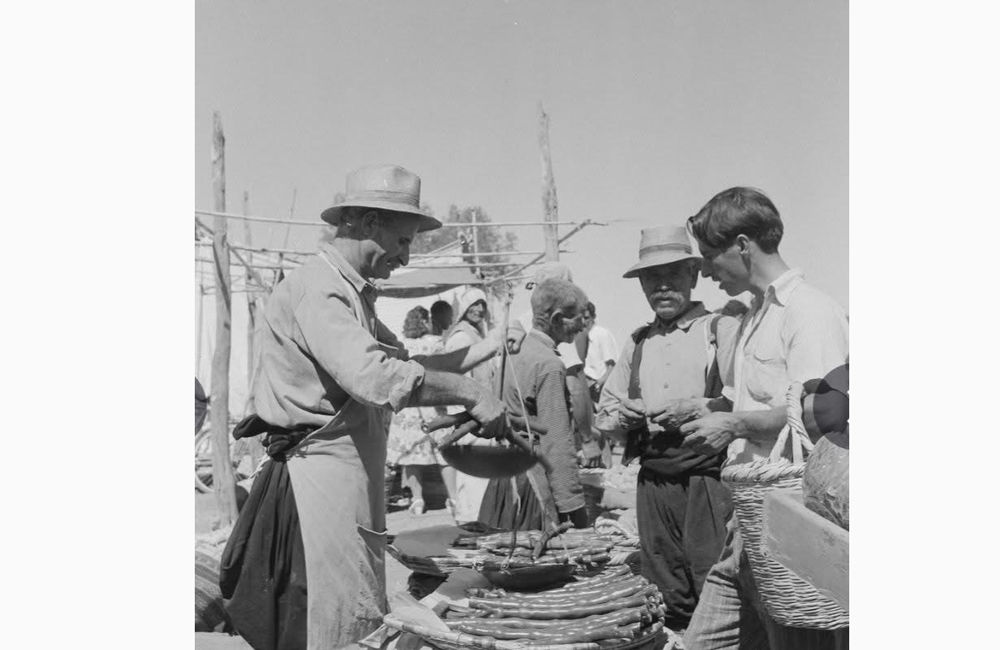
Vendors at Kataklysmos in Larnaca, 1953
Because no matter how many times things change, some things remain the same: the smell of the sea at Finikoudes, the taste of loukoumades and sitaros, the voices of street vendors, the queues for kazanti, friends disappearing into the crowd, relatives you have not seen in years, and the familiar phrase, "How did you grow up so quickly?”
That is why for generations Cypriots have always said one simple phrase: “Kataklysmos means Larnaca.” And it is a saying that will likely continue for many generations to come. 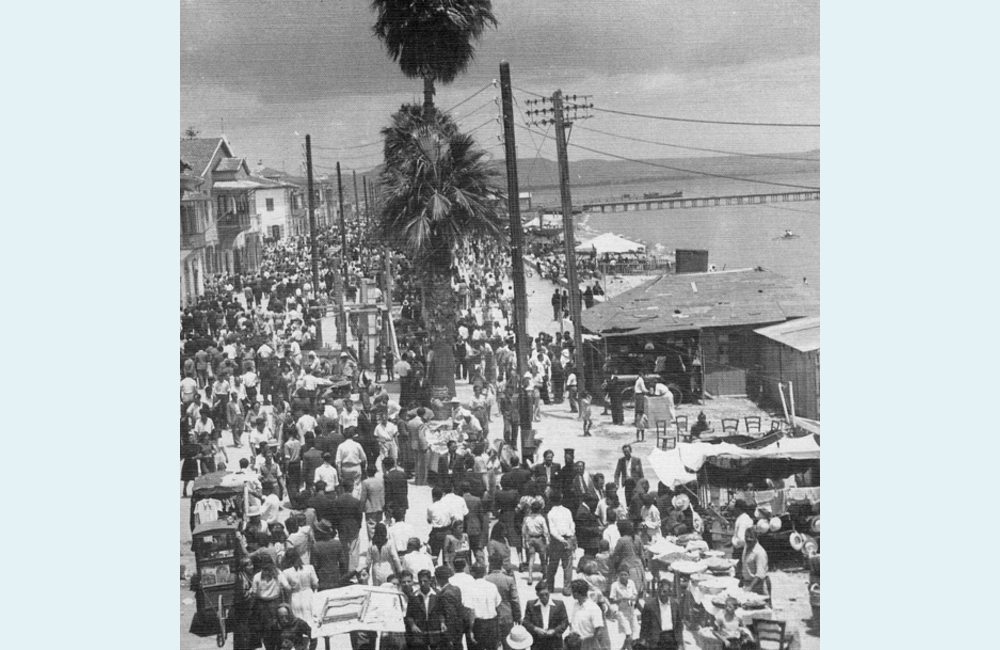
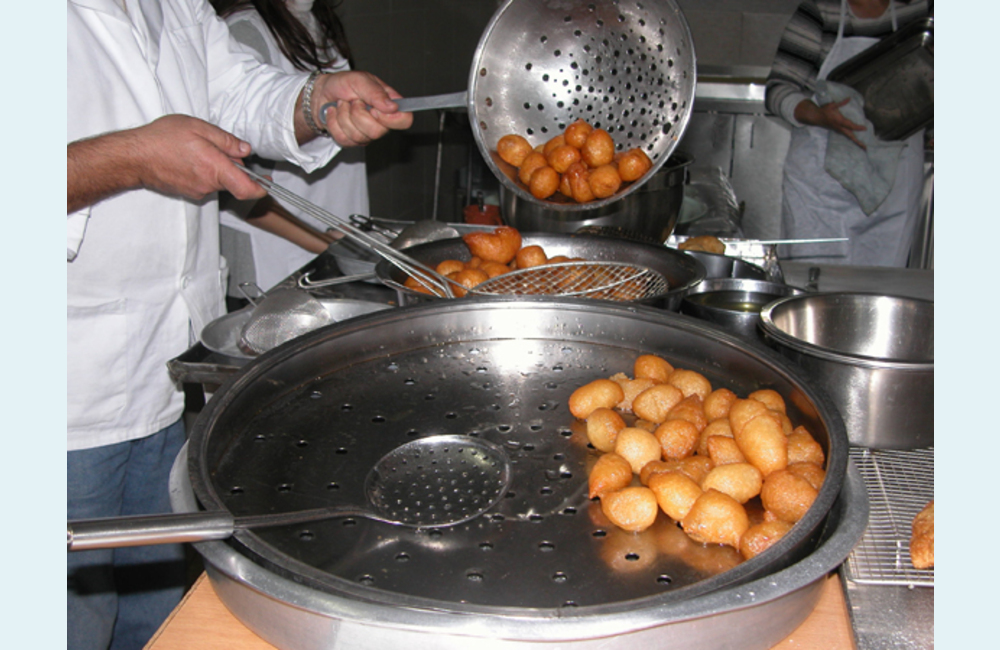 Loukoumades, one of the traditional sweets served during Kataklysmos.
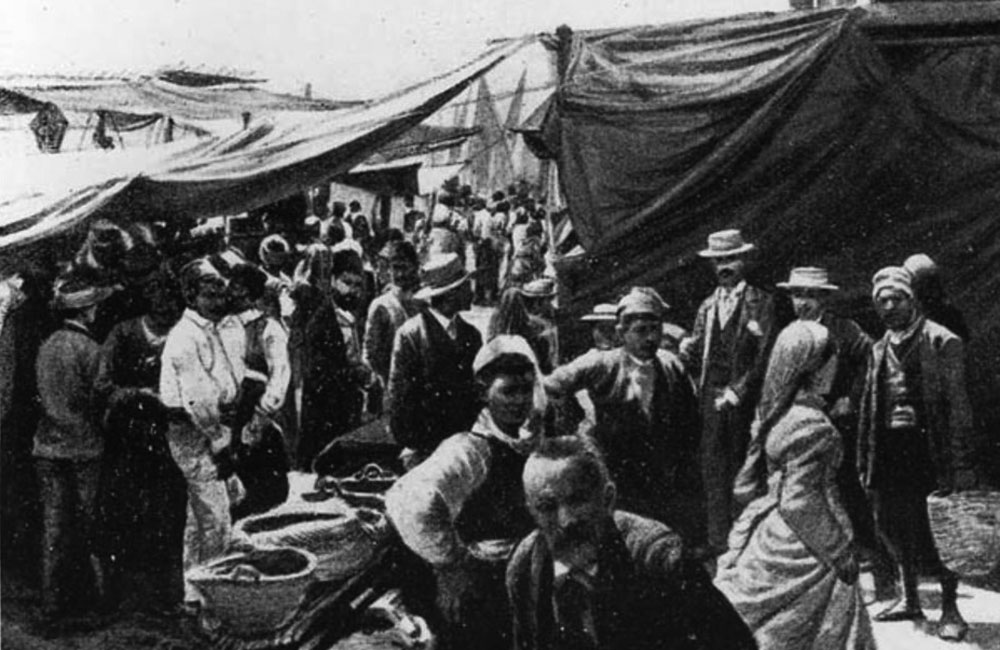
Image from Kataklysmos festival in Larnaca during the early 20th century
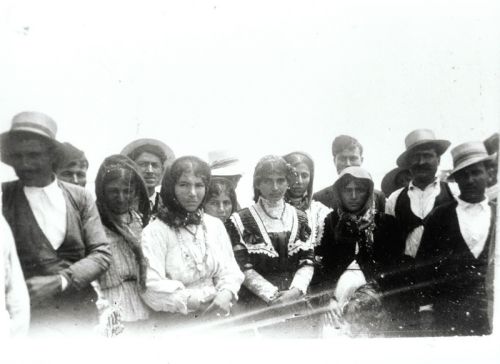 Villagers at the Kataklysmos festival
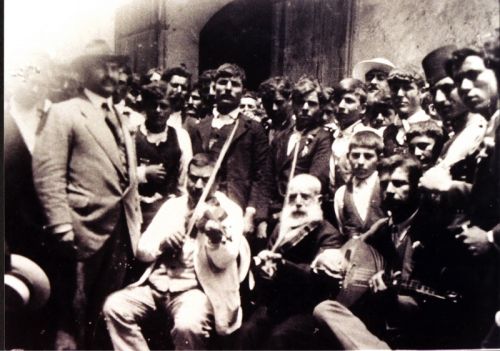
Bouzouki at Kataklysmos
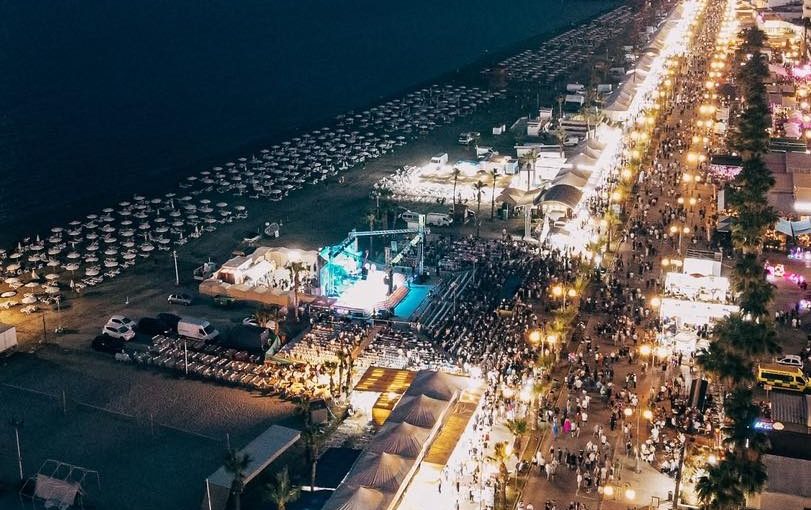
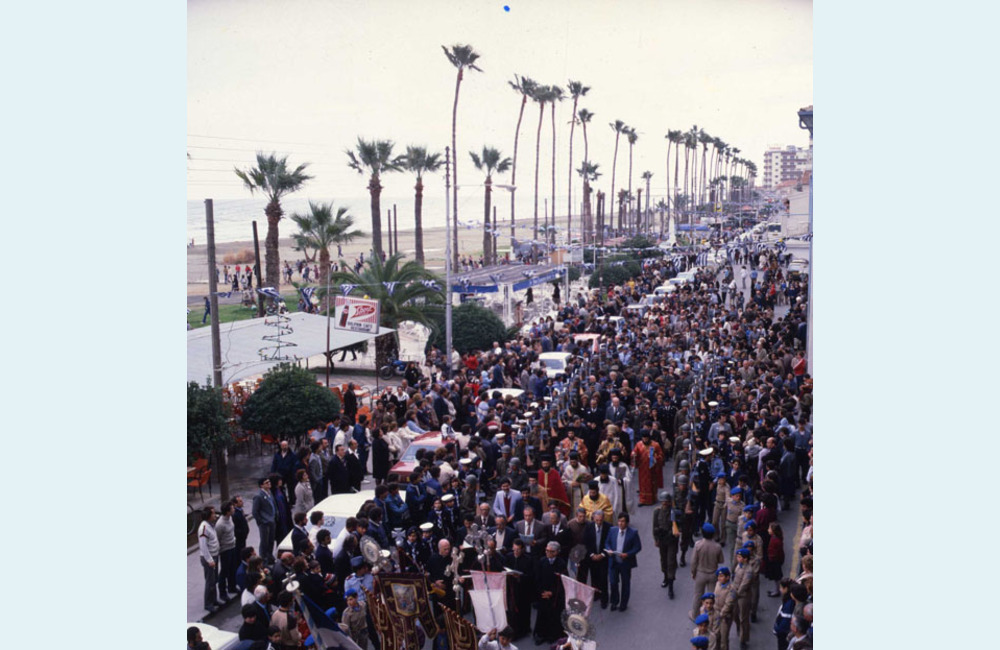 Image from Kataklysmos in Larnaca after 2000.