

Newsroom
Heavy rains are drenching Cyprus, bringing relief to some after weeks of concern over water levels but also creating disruptions and safety risks as the storm system Byron moves across the island.
Residents have been sharing videos and photos online, capturing flooded streets and overflowing reservoirs. While southern areas have seen steady downpours, some parts of Limassol have yet to get rain. Meanwhile, authorities in the north of the island are on high alert, warning of worsening conditions in the coming hours.
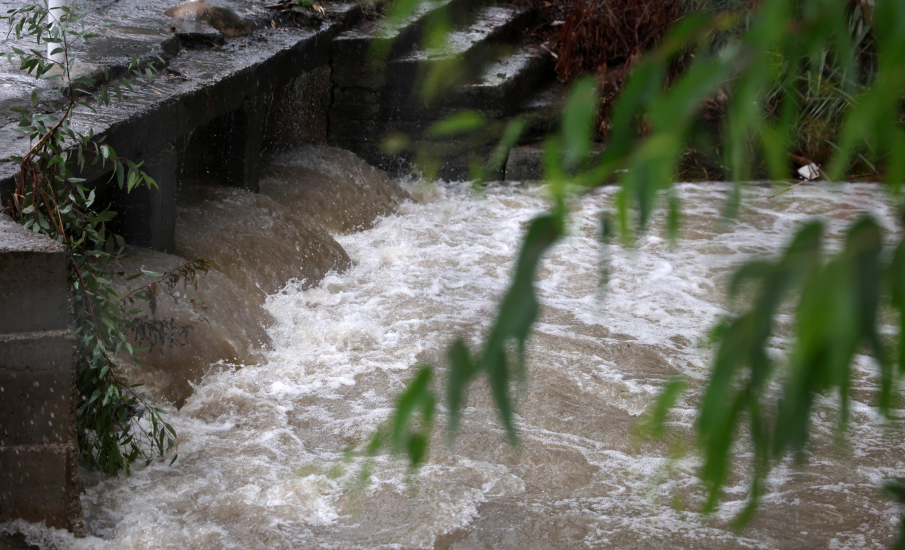
According to the Cyprus Meteorological Department, Byron, currently positioned south-southeast of the island, is strengthening rainfall across southern, eastern, and northern coastal areas, as well as the mountains. A yellow warning remains in effect until 5 a.m. Wednesday, while orange warnings have been issued for the most vulnerable areas from 7 p.m. Tuesday until 5 a.m. Wednesday.
Heavy showers and isolated thunderstorms are expected, with the potential for significant rainfall in short periods.
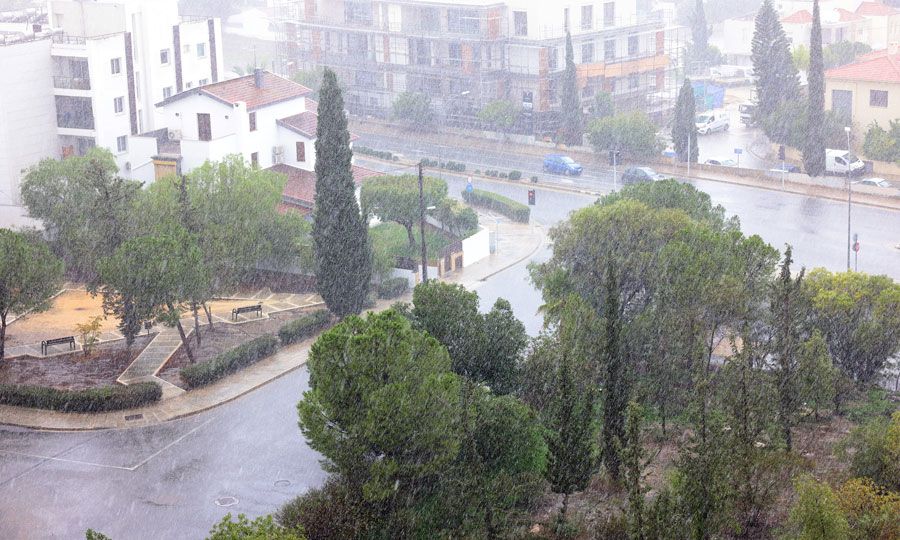
In the occupied north, authorities have warned residents to stay vigilant. Schools were closed due to extreme weather, and some areas have seen roads and homes flood. The Kyroneli dam overflowed, and civil defense teams have relocated residents to hotels and student dormitories, particularly in the Kyroneli–Gerolakkos region, where a crisis center has been set up. Central roads and highways have been temporarily closed due to flooding, landslides, slippery surfaces, and low visibility.
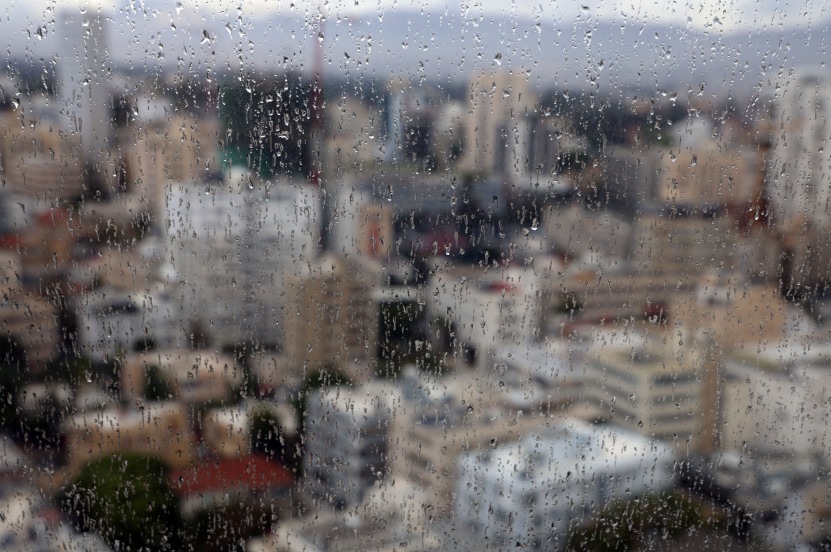
Meteorologists expect the rain to continue through Wednesday, with the possibility of hail and snow or sleet in the highest parts of the Troodos Mountains. Northern and northeastern winds are expected at 3 to 4 Beaufort, occasionally reaching 5 Beaufort in exposed areas. Sea conditions range from slightly rough to rough in the north. Temperatures will drop to around 10°C inland, 13°C along the coast, and 3°C in the mountains, where frost may form.
Officials continue to urge residents to follow weather updates, avoid unnecessary travel, and take precautions against flooding and other hazards.


