

By Elizabeth Georgiou
The Cyprus Traffic Department is sounding the alarm over a persistent problem on the island’s roads: drivers under the influence of alcohol and drugs. Even though official figures show fewer violations this year, the reality on the streets remains grim. In the past seven days alone, four fatal crashes have shaken communities across Cyprus.
Police data show that from January through October 2025, authorities reported 3,226 cases of alcohol-impaired driving and 869 drug-related driving offenses. On paper, these numbers are lower than previous years; in 2024, there were 4,765 alcohol-related cases and 1,014 for drugs, while 2023 saw 5,389 and 1,450, respectively. But experts warn the figures don’t tell the full story. Limited testing capacity at the State Chemistry Lab means not every driver on the road can be tested, so the real number of offenders likely hasn’t decreased.
“If we conducted more roadside drug tests, we’d certainly see more positive results,” said Traffic Department Director Haris Evripidou. Saliva-based preliminary tests are done on the spot, but confirmation depends on lab analysis, which can take weeks. Unlike alcohol breath tests that give immediate results, drug tests are constrained by lab capacity, which explains why annual numbers appear stagnant.
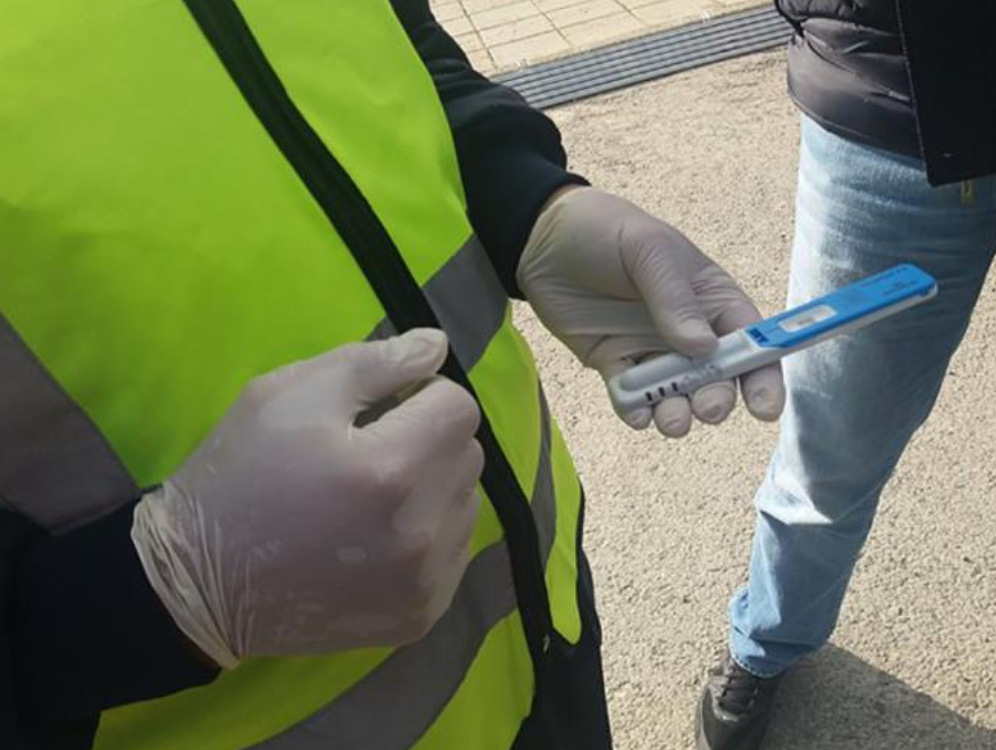
Experienced traffic officers target drivers who show clear signs of drug use. Laboratory confirmation of positive roadside tests exceeds 90%. Most cases involve cannabis, followed by cocaine and methamphetamines, with many drivers testing positive for a combination of substances and alcohol, a deadly mix that sharply raises the risk of fatal accidents. Roadside tests can even indicate the type of drug involved and whether alcohol is also a factor.
“Driving under the influence of drugs is extremely dangerous,” Evripidou said. “It’s not just about using substances; you’re also controlling a vehicle. Your perception, reaction time, and sense of speed are impaired, which dramatically increases the chances of a deadly crash.”
Lab confirmation is required before legal proceedings can begin, usually arriving about a month later. Violations can lead to up to three years in prison and fines up to €3,000, though in practice fines often average around €700, with imprisonment depending on the judge’s ruling.
A week of tragedy on Cyprus roads
The danger of drug- and alcohol-impaired driving was made tragically clear in recent weeks. On November 23, a 26-year-old driver in Limassol ran a red light at high speed and killed 20-year-old Ahmad Al Matar. Police found the driver had 49 μg% alcohol in his blood, more than double the legal limit, and had tested positive on a preliminary drug test.
Just days later, 17-year-old Aliki Nicolaou died when a car lost control and crashed into a guardrail on the Limassol–Nicosia highway. The driver later tested positive for alcohol.
Other recent victims include 28-year-old motorcyclist Artem Fomichov, who died in an accident near Dromolaxia–Larnaca, and a 69-year-old pedestrian in Paphos who was hit while crossing the road.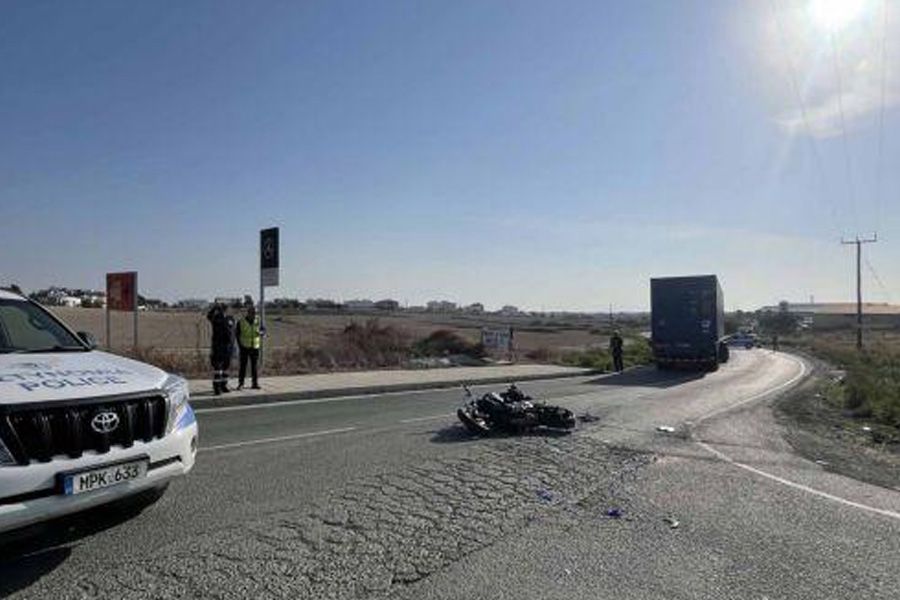
With the holiday season approaching, the Traffic Department is stepping up patrols and checkpoints. “During the holidays, more people are out on the roads,” Evripidou said. “We’re increasing awareness campaigns, and our controls will be more frequent and targeted. On Christmas Eve and the following day, we’ll intensify checks as much as possible.”
He urged students returning to Cyprus for the holidays to avoid drinking and driving. “Make sure at least one person in the group stays sober and can drive you safely. Buses are also available in many areas.”
The director stressed that enforcement is about saving lives first and avoiding trouble second. “Even saving just one person is important to us. I hope drivers think twice and protect themselves and others,” Evripidou said.


