

Rafaela Dimitriadi
A week into Cyprus’ foot-and-mouth disease crisis, frustration is rising, and so are the questions.
The first case in the government-controlled areas was detected on Feb. 19. Since then, livestock farmers have been demanding answers about what measures were taken, or not taken, in the critical days before and after the outbreak.
Six days after the crisis erupted, Agriculture Minister Maria Panayiotou made her first public statement, rejecting accusations of delays or inaction.
She said veterinary services are following a specific action plan based on EU regulations. Hundreds of inspections are carried out each year, she added, and since cases were detected in the north in December, nearly 2,000 samples have been taken.
But the minister did not directly address several complaints from farmers, including claims that officials failed to collect milk that had to be destroyed, that inspectors showed up at farms without proper protective gear and asked farmers for suits, and that instead of psychological support, police officers were sent to take statements.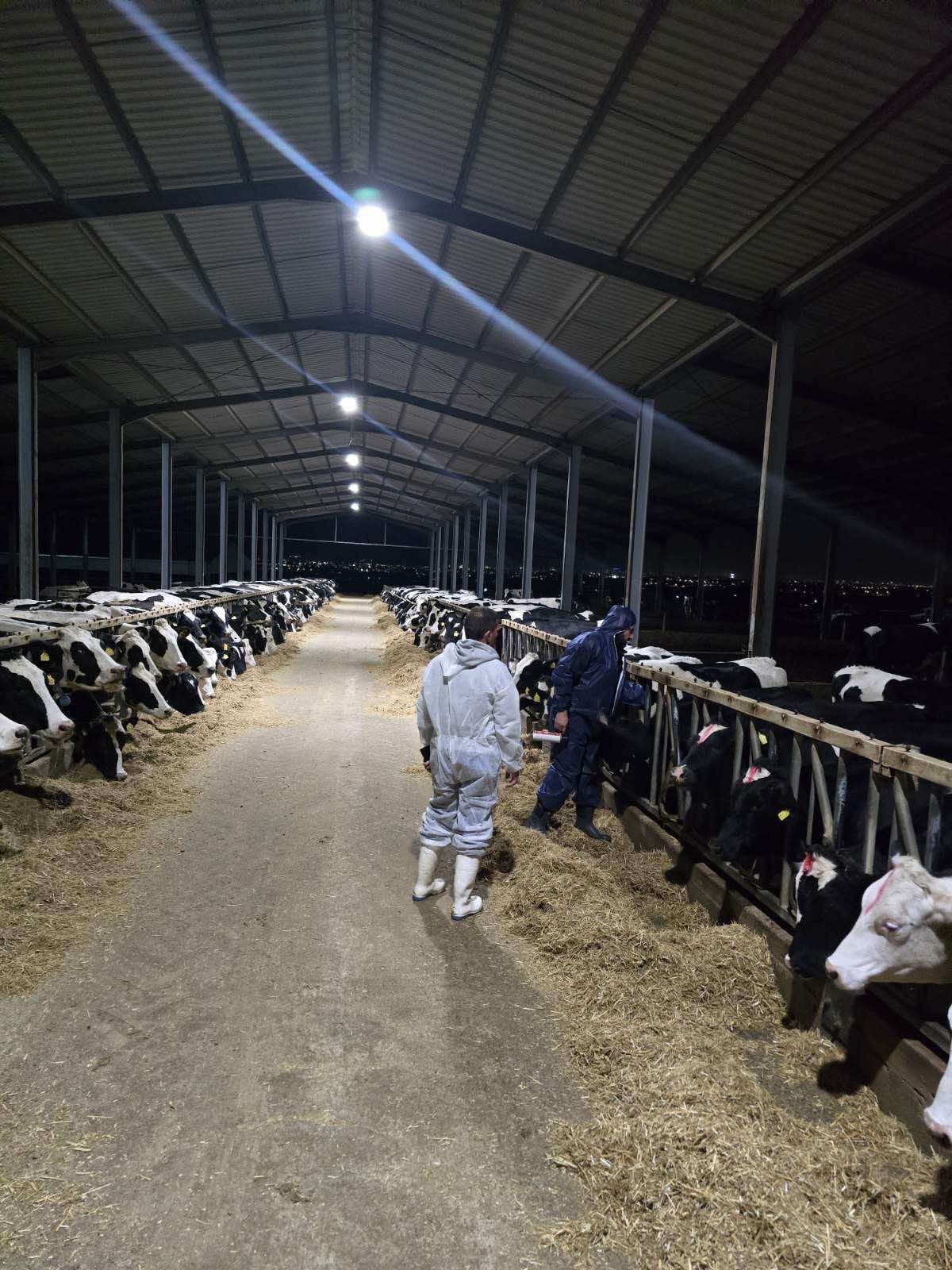
On vaccines, Panayiotou said experts advised that no EU country is carrying out preventive vaccinations. “Protocols exist. If something was not done properly, that will become clear,” she said.
She also defended the controlled transfer of milk from Pergamos to the government-controlled areas, saying it was done under strict risk assessment, with a designated tanker accompanied by a veterinarian and following disinfection protocols. No cases were detected at those units, she said.
Addressing criticism over her absence from a parliamentary agriculture committee meeting, Panayiotou said she had informed committee chairman Giannakis Gavriel days earlier that she would not attend due to crisis coordination meetings. The ministry’s director-general represented her instead.
“No one will be left alone,” she said, promising support for affected farmers, though no specific financial measures were announced. She stressed that containing the disease is the top priority and insisted halloumi production and exports are not at risk.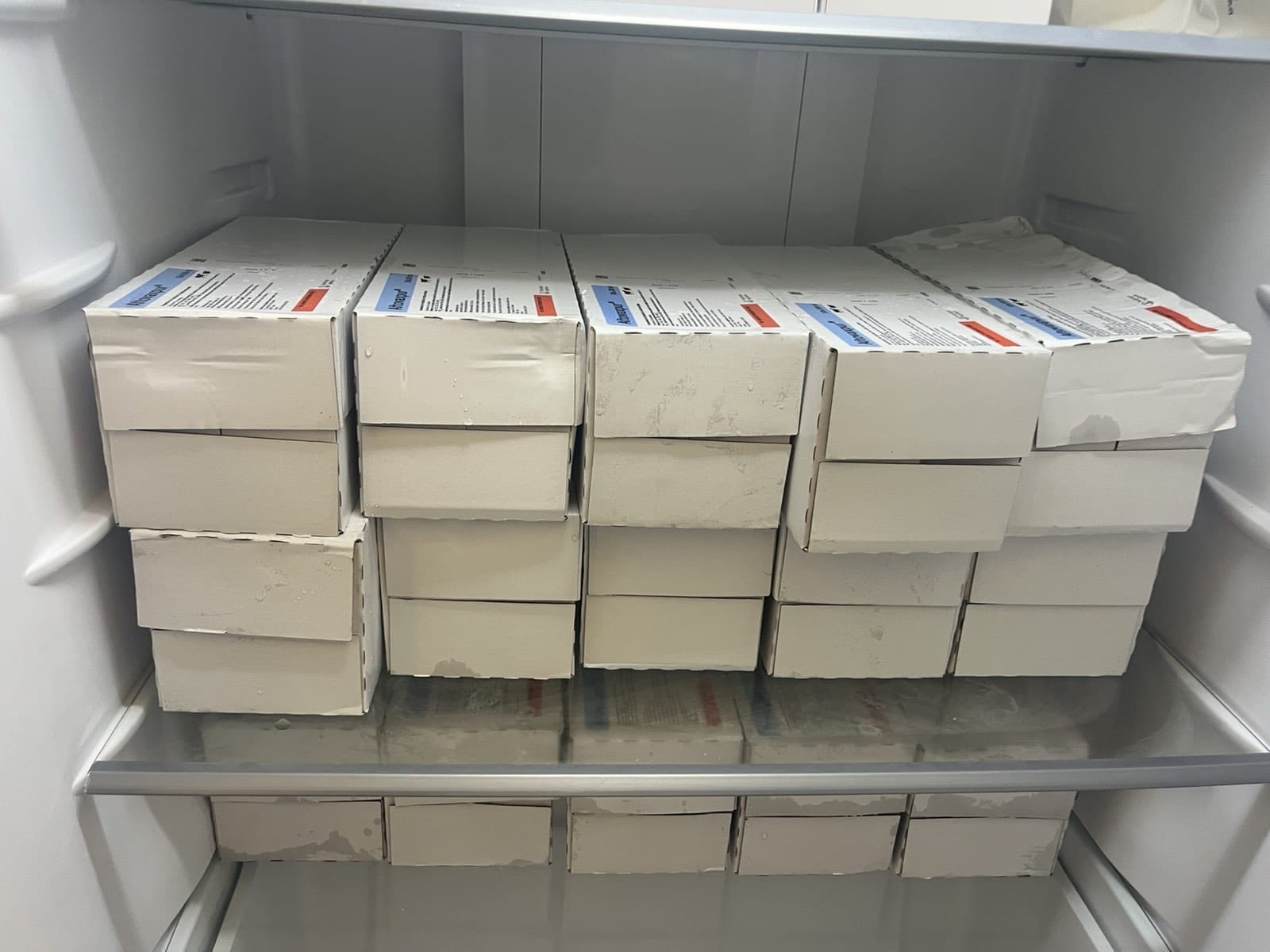
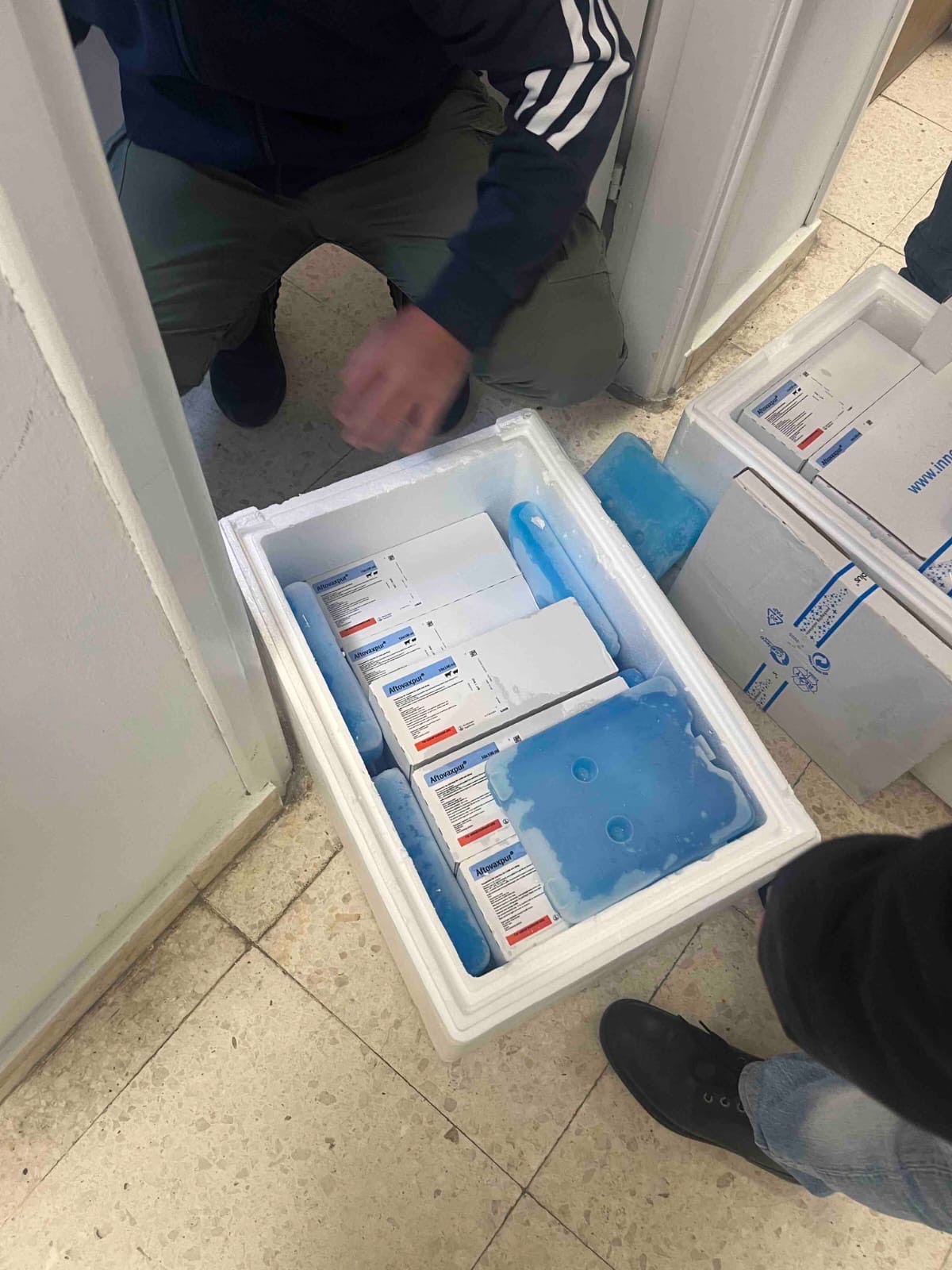
Vaccinations began Wednesday evening in Aradippou, following a lengthy meeting with experts and private veterinarians. Authorities said vaccinated animals will not be culled and that meat consumption will continue safely. Only animals already confirmed positive will be put down.
Meanwhile, the political debate is intensifying.
Deputy government spokesman Yiannis Antoniou said the president was fully briefed on how the situation was handled from the moment cases appeared in the north. He maintained that Cyprus followed guidance from the European Commission and informed producers and transporters as instructed.
Asked about possible responsibility, Antoniou said the immediate focus is stopping the spread. “This is not the time for blame,” he said, though he acknowledged questions have been raised about whether some producers acted properly.
Farmers strongly reject suggestions that they are responsible.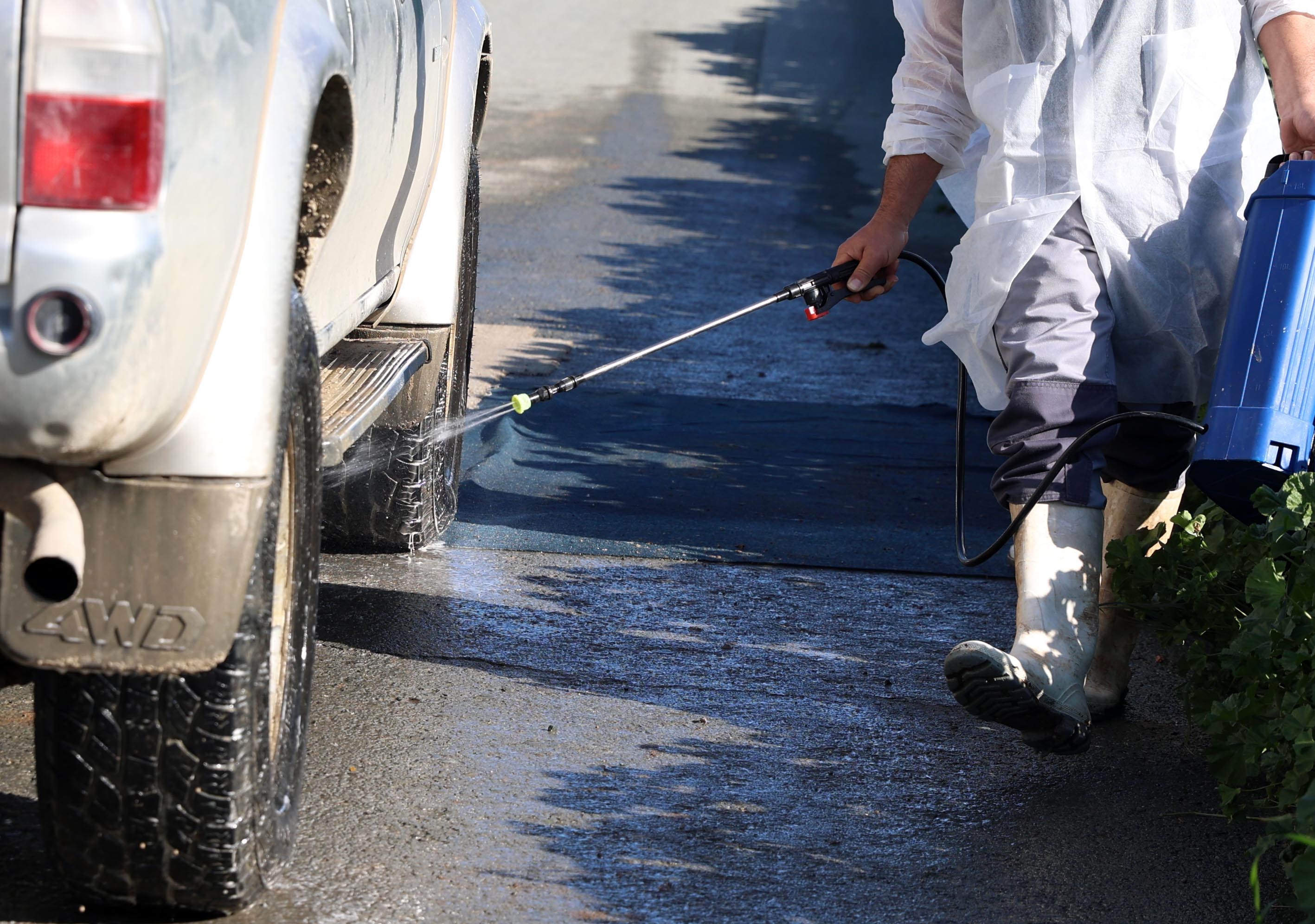
Tasos Iapanis, secretary-general of the Panagrotikos farmers’ association, said there was no strict monitoring after the initial December meeting on the outbreak in the north. “I do not accept that livestock farmers carry the blame,” he said. “Responsibility, if any, is shared. Our first goal is to stop the spread.”
He noted that the farm believed to be “ground zero” lies just 2.5 kilometers from affected areas across the divide and said cooperation between Greek Cypriot and Turkish Cypriot farmers, including legal milk transfers for halloumi production, is common and regulated.
Iapanis also questioned oversight along the Green Line, asking who monitors veterinarians, suppliers, and cross-border activity. He called for financial relief measures, including social insurance contributions and loan repayments, warning that farmers will have no income.
From the ground, the anger is personal.
Yiannos Demetriou, a livestock farmer from Oroklini, said producers feel abandoned. “Instead of psychological support and people coming to find solutions, the only concern seems to be shifting blame,” he said. He rejected claims that infected hay came from the north, saying his farm has imported feed from abroad due to drought and can prove it with invoices.
He also disputed claims that random checks were carried out in his area. “From the first day cases appeared in the north, there wasn’t a single sample check here,” he said. “I am deeply disappointed. We still don’t even know how the animals will be put down.”


