

Rafaela Dimitriadi
Parliament’s Agriculture Committee convened in emergency session today as Cyprus races to contain the outbreak of foot-and-mouth disease. Officials from the Agriculture Ministry and Veterinary Services briefed MPs while the government scrambles to coordinate its response.
Committee chairman Giannakis Gavriel warned bluntly that authorities are “running behind events,” pressing for answers on what measures were taken and how affected farmers will replace lost income. MPs across parties voiced alarm. DISY’s Charalambos Pazaros warned the livestock sector faces devastating consequences if the virus spreads, arguing precautions should have been taken earlier given known cases in the occupied areas. Giorgos Karoulas stressed the crisis threatens entire family livelihoods, while AKEL’s Andreas Pasiourtides criticized the Agriculture Minister’s absence and questioned whether adequate monitoring had been carried out.
DIKO’s Alekos Tryfonidis described Cyprus as being “at the mercy of a national tragedy,” calling for explanations over the earlier decision to end the deployment of 300 border guards along the buffer zone. ELAM’s Linos Papayiannis also demanded the Police Chief’s presence.
Heated clash in committee
Tempers flared near the end of the session. After MP Charalambos Theopemptou suggested Veterinary Services should have acted preventively, Director Christodoulos Pippis shot back: “Tell us, since you know better, what would you have done?”
MP Andreas Pasiourtides intervened, reminding him he was addressing Parliament. Pippis replied that being MPs does not place them “above everyone,” escalating the confrontation.
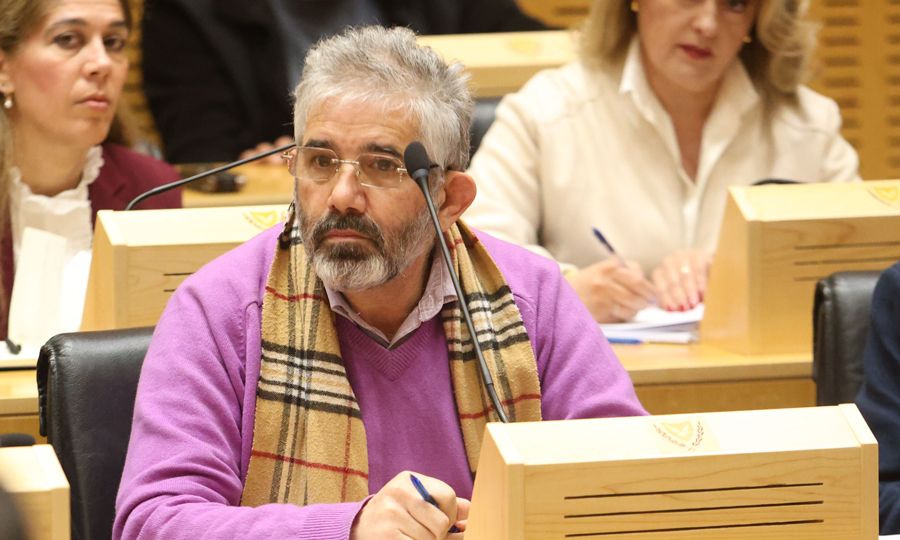
Farmers’ anger boils over
Livestock farmer Giorgos Demetriou from Oroklini delivered an emotional testimony. At 60, he said he had never been in court and would not tolerate being “slandered.” He complained that when authorities ordered the culling of animals, they sent police instead of psychological support, and claimed local veterinary staff even lacked protective suits.
Other farmers told MPs police are now summoning them for statements. One warned he would dump his milk on the road if it is not collected.
Scale of the outbreak
Authorities confirmed cases in 11 livestock units in Troulloi, Oroklini, Livadia and Aradippou, affecting roughly 14,000 animals. Culling and burial operations are underway alongside strict disinfection and biosecurity measures. A national response plan has been activated, with a 24-hour Crisis Management Center operating at the JRCC “ZENON” facility.
EU veterinary experts are expected by Wednesday, and about 500,000 vaccine doses have been ordered. Officials say Cyprus did not vaccinate earlier because the country held disease-free status until the February outbreak; that status was lost on 21 February.
So far, the situation is described as stable within the original 10-km surveillance zone, though around 13,000 animals may ultimately be culled.
Exports and economy
Veterinary officials insist there is “no problem for halloumi” exports, which continue with certification. The full economic impact is still being calculated to enable compensation for farmers.
President Nikos Christodoulides pledged the government will stand by those affected and revealed preliminary indications of possible illegal activities linked to the outbreak.
Meanwhile, Agriculture Minister Maria Panayiotou secured positive signals in Brussels for financial support and rapid vaccine delivery, with vaccinations expected to begin within the week.


