

Newsroom
Over the past few years, social media has completely changed the way election campaigns are run, and this election season in Cyprus may have shown that more clearly than ever before. Candidates can now speak directly to voters, comment on current affairs, announce rallies and promote their positions daily without needing anyone in between.
Especially in modern parliamentary elections, having a strong social media presence is now considered essential. A single post, video or photo from a campaign tour can reach thousands of people within minutes. But before the digital era, election campaigning in Cyprus looked very different.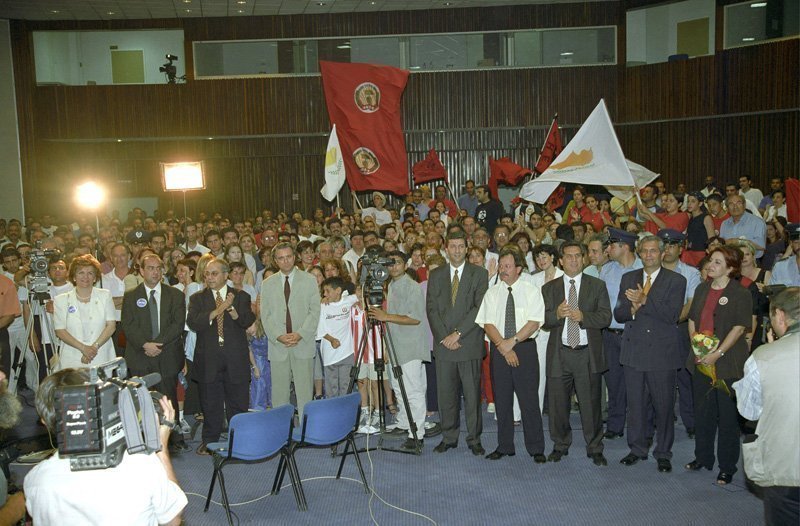
The era of posters, flags and personal contact
Back in the 1980s, 1990s and even the early 2000s, political parties and candidates had to follow a much tougher and more exhausting path. Campaigning meant endless village-to-village tours, meetings at coffee shops, knocking on doors and small local gatherings that became part of everyday political life.
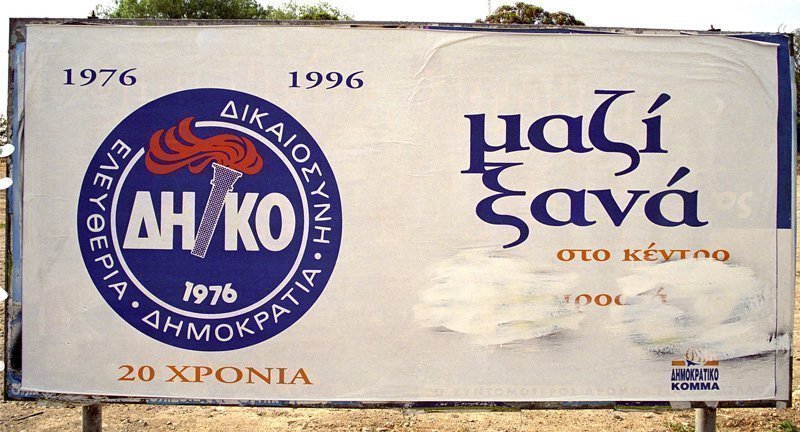
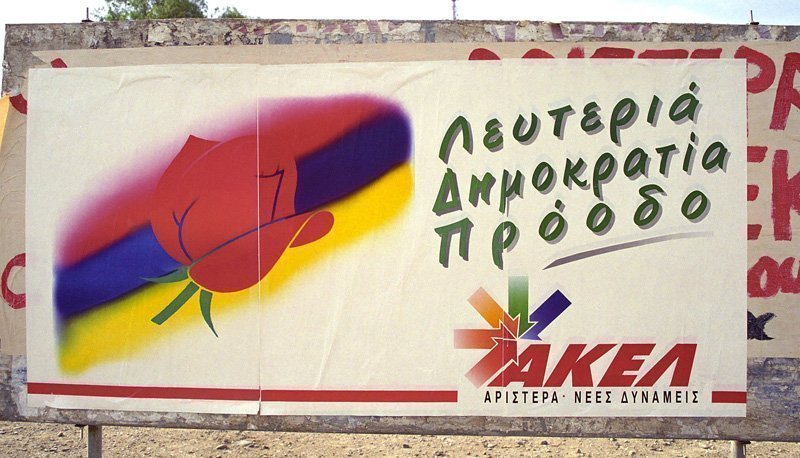
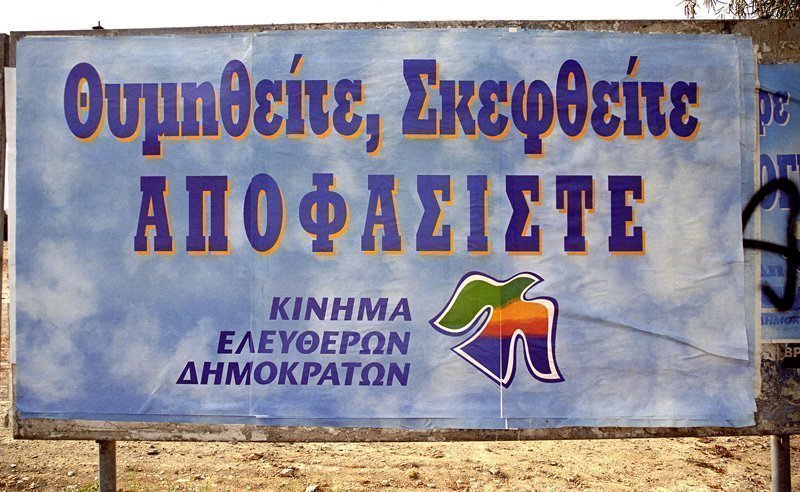
There was no easy Facebook post or Instagram story to let people know about a political event. Information spread through personal contact, phone calls, flyers and, of course, posters that covered roads, neighborhoods and villages. Party youth groups fought real “battles” over who would hang the most posters, whose flags would dominate the streets and which party colors would be seen everywhere.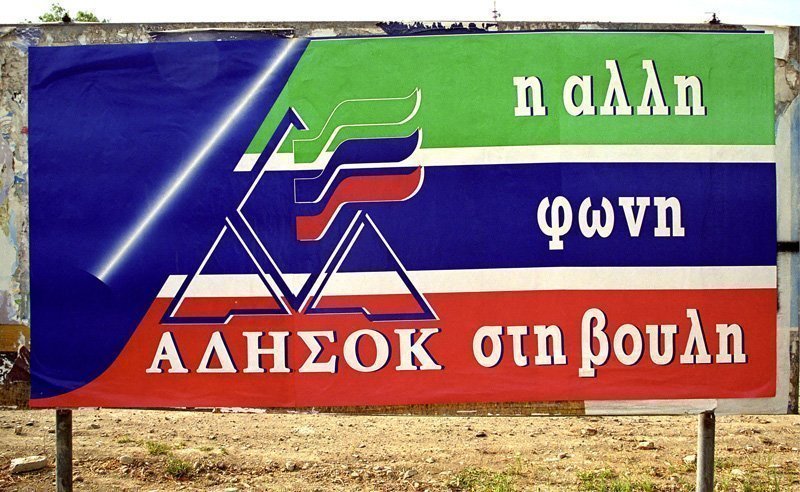
Election day as a social event
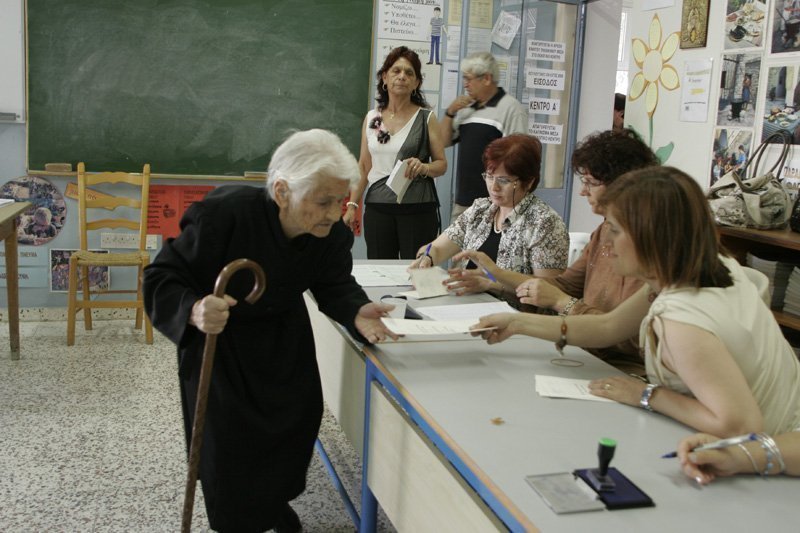
For older generations, election day was never just a routine process. It was a social event, a political duty and, for many, a reflection of identity. It was common to see elderly voters arriving at polling stations dressed in their best clothes, almost as if they were attending a wedding or formal celebration.
Candidates would often appear at polling stations surrounded by relatives, friends, party officials and supporters. Outside schools and community centers, scenes sometimes looked more like small political parades, with politics deeply tied to family and local loyalties.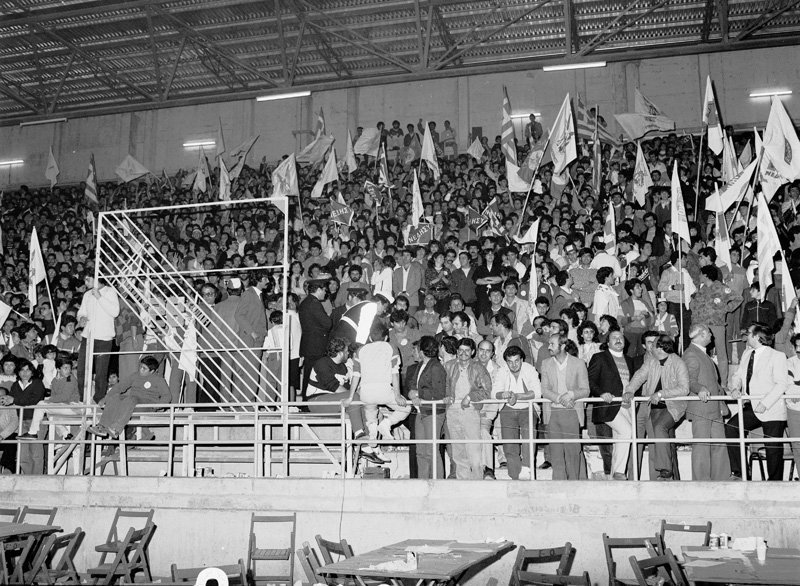
The notebooks, phone calls and last-minute scramble
Before parties became digitally organized, everything was tracked by hand in notebooks. Party representatives carefully marked who had voted, who had not shown up and who still needed to be found before polls closed.
The final hour of voting was always considered critical. Parties constantly called voters, sent people to homes, arranged transport for elderly supporters and anxiously monitored turnout numbers. In smaller communities, almost everyone knew who had voted and who had not, adding even more social pressure.
Tensions outside polling stations
Older election battles also came with plenty of tension. Before stricter rules were introduced, party members often stood very close to polling stations, handing out flyers, chanting slogans and trying to sway undecided voters until the very last minute.
In some areas, clashes between party youth groups became so heated that police had to step in. Even relatively small problems, like delays in delivering election material or polling stations temporarily running out of ballot papers, could spark shouting, suspicion and political drama.
Election nights that felt like football finals
Election results night had its own ritual too. During the 1980s and 1990s, coffee shops filled with people, televisions showed nothing but election coverage and every parliamentary seat won was celebrated almost like a goal in a football final.
At party headquarters, anxiety peaked with every new result. Celebrations sometimes started too early and quickly turned awkward. Because of Cyprus’ preference-vote system and internal party rivalries, there were many cases where candidates were congratulated one moment and learned a few hours later that they had actually lost their seat in parliament.
A political marathon
Campaigns back then demanded stamina, personal contact and nonstop physical presence. Candidates often went two days without sleep as rallies, village tours, voter meetings and waiting for results turned elections into a true marathon.
For party youth groups, elections felt almost like a mission. Young supporters stayed awake all night hanging posters, distributing flyers, organizing transportation and living through campaign season as an unforgettable experience.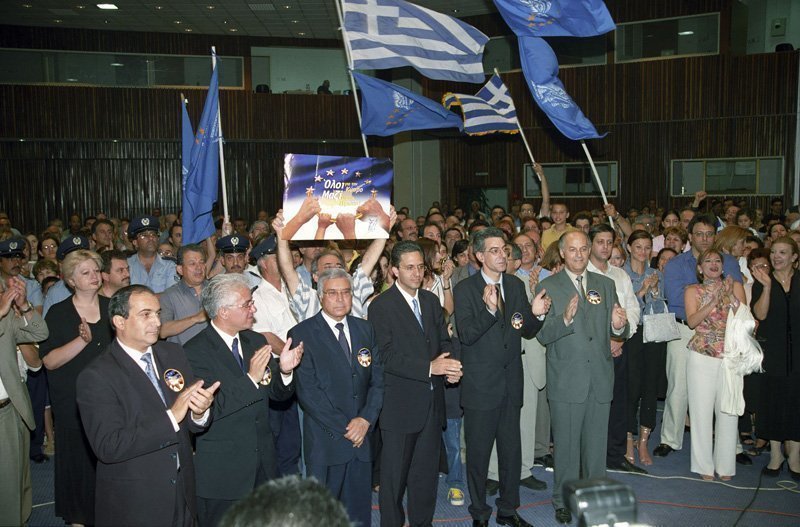
From coffee shops to phone screens
Today, political communication has largely moved onto screens. Posters, notebooks, flags lining the streets and heated coffee-shop debates have not disappeared entirely, but they no longer carry the same weight.
The internet, especially social media, now plays the leading role in how parties and candidates communicate with voters. Videos shot quickly on a mobile phone and uploaded within minutes allow candidates to spread their messages to thousands of people around the clock, without needing large rallies or even face-to-face contact anymore.


