Newsroom
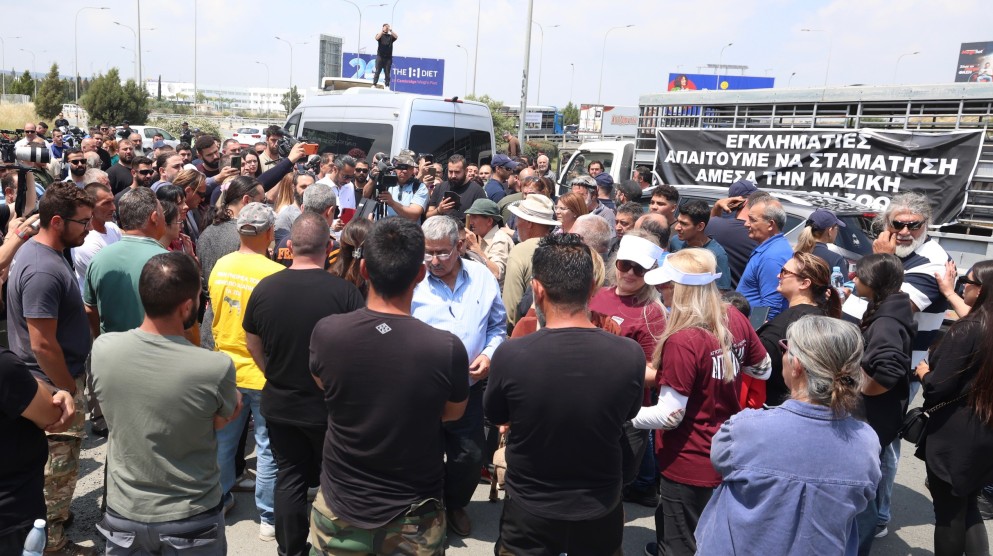
Livestock farmers from across Cyprus took to the roads on Thursday, staging a protest in the Rizoelia area of Larnaca over government handling of animal disease outbreaks and culling policies.
Farmers from all districts are taking part in the demonstration, with their main demand being an end to mass culling on farms where only a small number of cases are detected.
Their spokesperson, Stella Petrou, said the protest went ahead because a meeting earlier this week with the director general of the Ministry of Agriculture, Andreas Gregoriou, “did not produce the desired results.”
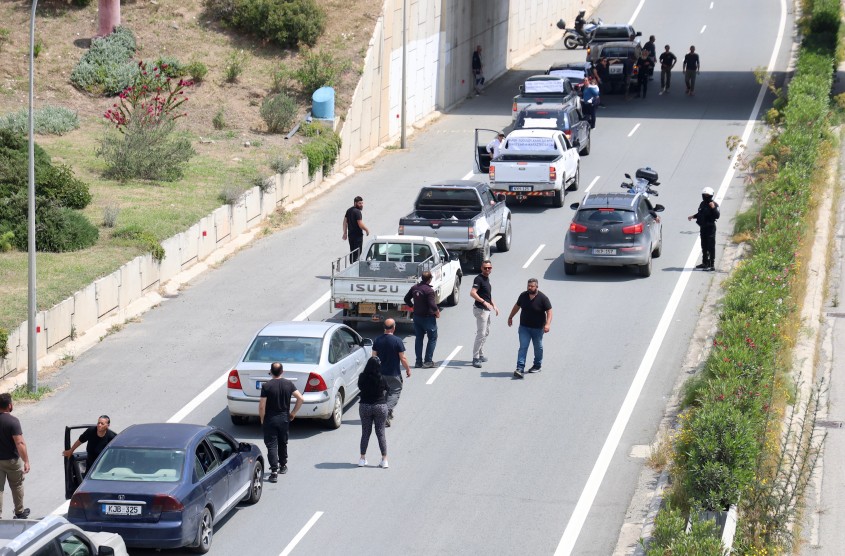
She said farmers remain deeply frustrated, adding that there has been no positive shift from the ministry regarding the policy of animal culling.
Despite their anger, organizers stressed they do not want to disrupt the public. To that end, they are keeping traffic flowing by closing only one lane in each direction, allowing vehicles to continue moving on the remaining lanes.
The traffic disruption prompted the presence of Justice Minister Marios Fytiris, who visited the area and spoke with protesting farmers, listening to their concerns on site.
At the same time, the issue of foot-and-mouth disease is being discussed in Parliament, with Gregoriou present. MPs are expected to request details on compensation payments and ask what steps the ministry plans to take next.
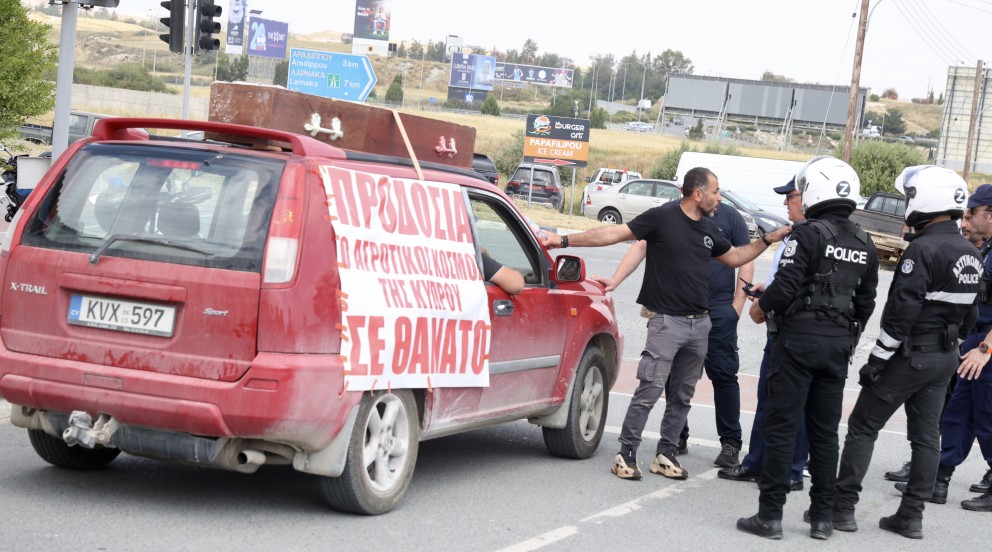
Police officers remain on site throughout the protest to ensure public safety and keep traffic moving smoothly. Authorities have urged both protesters and the public to follow police instructions and cooperate to maintain a peaceful demonstration.
Under Cyprus’ Public Gatherings and Parades Law, organizers are responsible for ensuring protests remain peaceful and must cooperate with police and local authorities. The law also allows police to impose restrictions, or in some cases disperse a gathering, if it turns violent, breaches conditions, or risks injury or damage.
Police may also intervene if individuals attempt to conceal their identity during a protest in a way that prevents identification, ordering them to remove such items.
For now, the demonstration continues under a visible police presence, as farmers press their message to government and lawmakers: rethink the culling policy and provide clear answers on compensation and next steps.