

Newsroom
Cyprus and Lithuania are looking to tighten their ties, with both countries signaling a stronger partnership, not just between them, but also within the European Union.
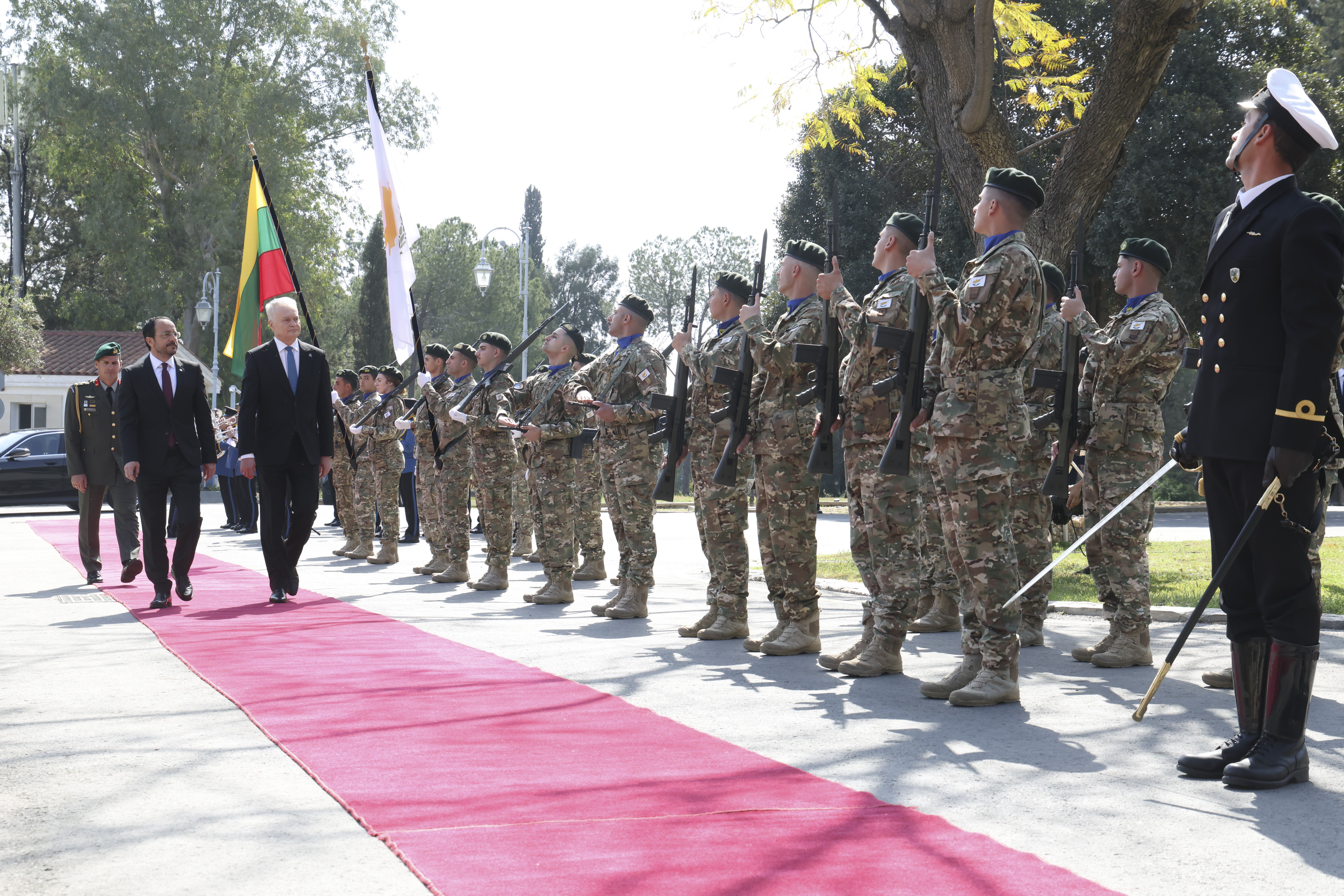
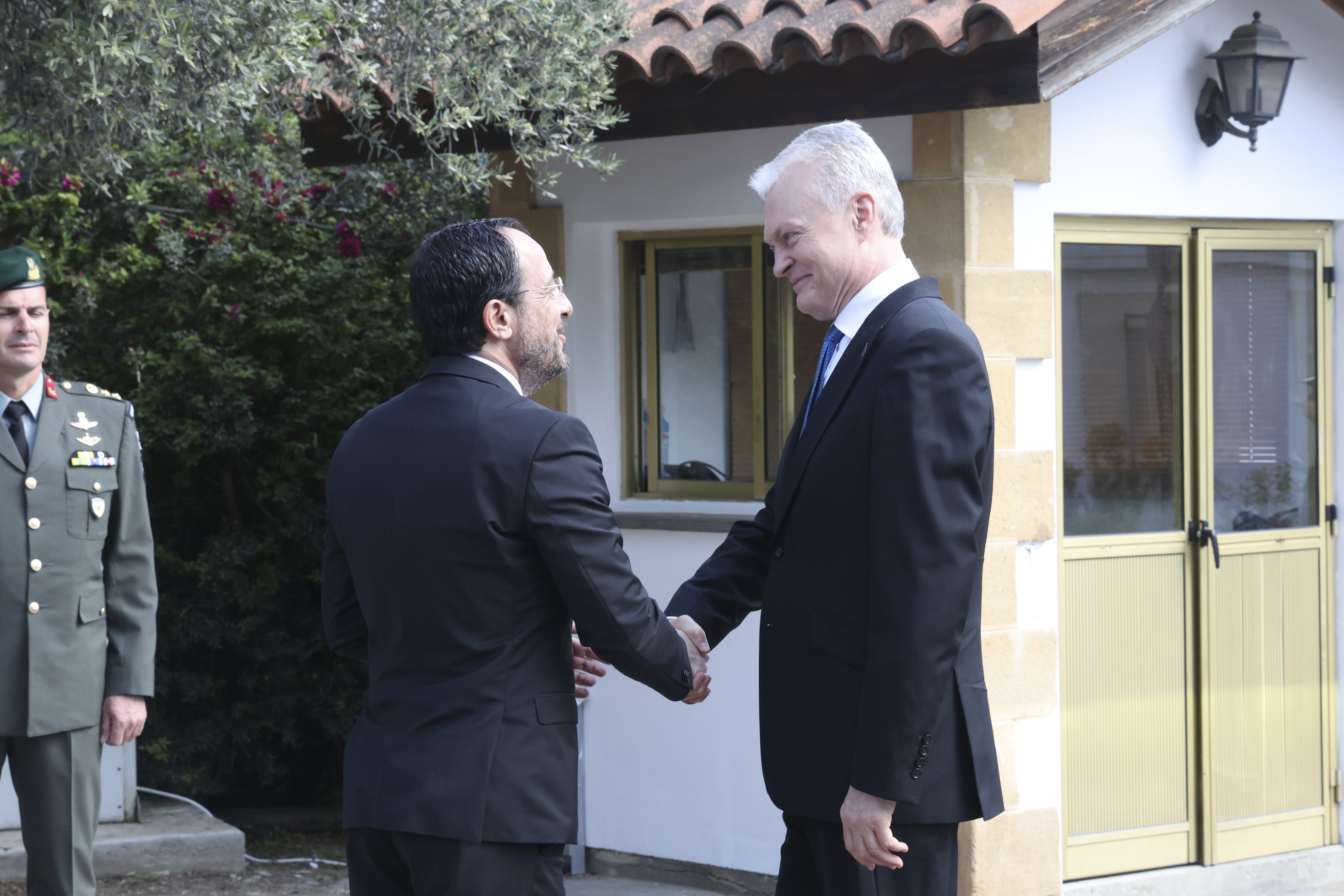
President Nikos Christodoulides welcomed Lithuanian President Gitanas Nausėda to the Presidential Palace on Thursday, marking the first visit by a Lithuanian head of state to Cyprus since 2001.
The meeting may seem routine on paper, but both sides made it clear this is about building something more.
“The two countries may be far apart geographically, but we have a lot in common,” Christodoulides said, pointing to a shared outlook inside the EU and a desire to work more closely together.
The visit also follows his own trip to Lithuania about 10 months ago, a sign, he said, that both countries are serious about strengthening cooperation.
Behind closed doors, the two leaders discussed some of the biggest issues facing Europe right now, from regional tensions to the war in Ukraine.
Nausėda stressed the need for cooperation and peaceful solutions, noting that countries like Cyprus and Lithuania, despite being on opposite ends of Europe, face similar challenges.
“We have complicated neighbors,” he said bluntly.
Energy was also high on the agenda, especially as global tensions continue to impact prices. Nausėda pointed to growing concerns around the Strait of Hormuz, warning that instability there is already putting pressure on energy markets, something that could eventually be felt by households across Europe, including in Cyprus.
For many Cypriots, that’s where these high-level meetings hit home: fuel costs, electricity bills, and the wider cost of living.
The Lithuanian president also praised Cyprus’ path within the EU and the eurozone, noting that both countries are seeing similar economic growth.
Looking ahead, he said Lithuania, set to take over the EU Council presidency in 2027, plans to learn from Cyprus’ experience when it held the role, especially since the two countries share many of the same priorities.
Another key point raised was the importance of staying aligned with international partners, particularly the United States.
“We cannot go our separate ways,” Nausėda said, warning that acting alone would weaken Europe’s influence.
After their private meeting, the two leaders held broader talks with their delegations, reaffirming what both described as a clear political will to deepen cooperation.


