


Dorita Yiannakou
A proposed large-scale development in the abandoned villages of Trozena and Gerovasa, in the heart of semi-mountainous Limassol, is once again bringing to the surface Cyprus’ long-running struggle between rural development and environmental protection.
The project, which includes homes, hospitality facilities, camping grounds, a winery, wellness spaces, and supporting infrastructure, is planned within and near protected Natura 2000 areas, triggering strict environmental review procedures.
The site lies within the administrative boundaries of the two historic Limassol district villages, at an altitude of around 455 meters above sea level. The landscape is defined by stone terraces, traditional stone-built houses, natural vegetation, and agricultural fields that preserve the area’s authentic rural character.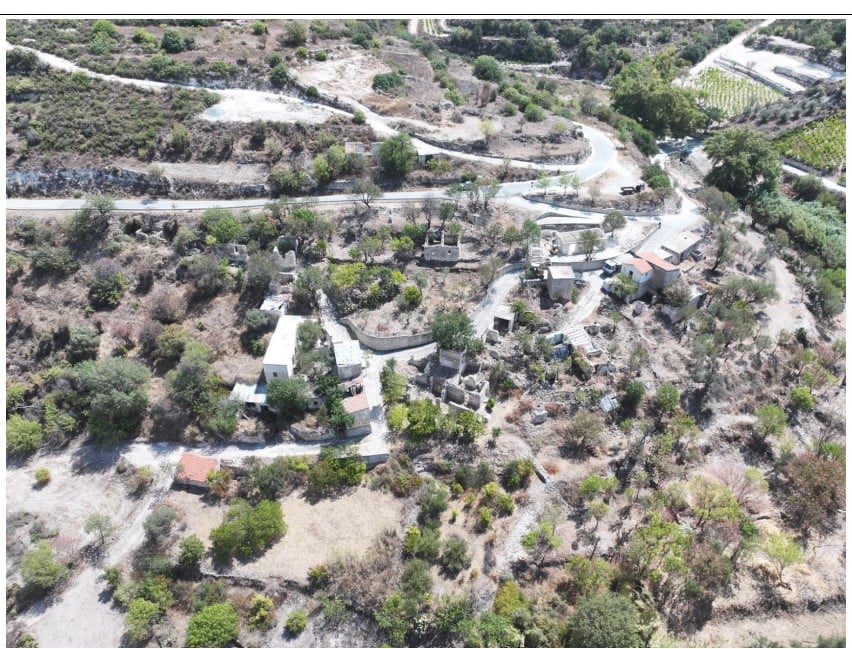
According to a special ecological assessment submitted to authorities, the area falls within the “Cha-Potami” Special Protection Zone and borders the Diarizos Valley protected areas, which host important bird species, birds of prey, protected habitats, and endemic plant life.
Species such as Bonelli’s eagle, the lanner falcon, and griffon vultures are considered especially sensitive to human disturbance, particularly during breeding periods, increasing pressure for strict environmental safeguards.
In the coming months, Cyprus’ environmental authority will decide whether the development can proceed without affecting the ecological integrity of the protected areas.
Authorities are expected to examine the impact of both the construction and operational phases of the project, including habitat loss, increased human activity, light pollution, noise, and cumulative environmental effects alongside other nearby activities.
The Trozena case highlights growing pressure on Cyprus’ protected natural areas from development projects, while also raising broader questions about whether sustainable investment can truly coexist with biodiversity protection in some of the island’s most environmentally sensitive landscapes.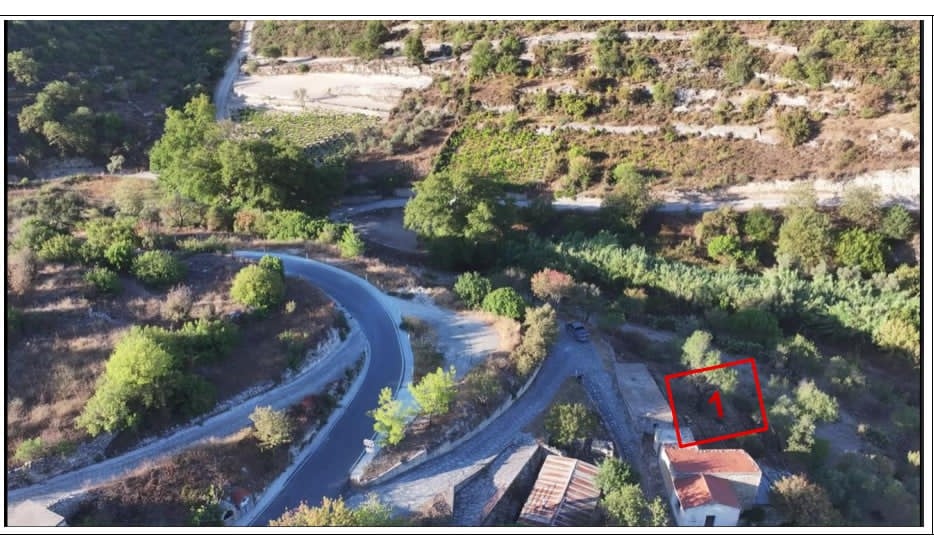
The project
According to the environmental study currently before authorities, the proposed project aims to rebuild and revive the abandoned settlements of Trozena and Gerovasa by creating a sustainable destination centered on traditional architecture, ecotourism, and environmental preservation.
The project’s philosophy is based on “soft” or low-impact development while preserving the cultural and natural identity of the area.
Its main goals include restoring and reusing ruined traditional buildings, expanding ecotourism and agrotourism activities, protecting local architectural heritage, creating jobs, boosting the local economy, and preserving the surrounding Natura 2000 habitats.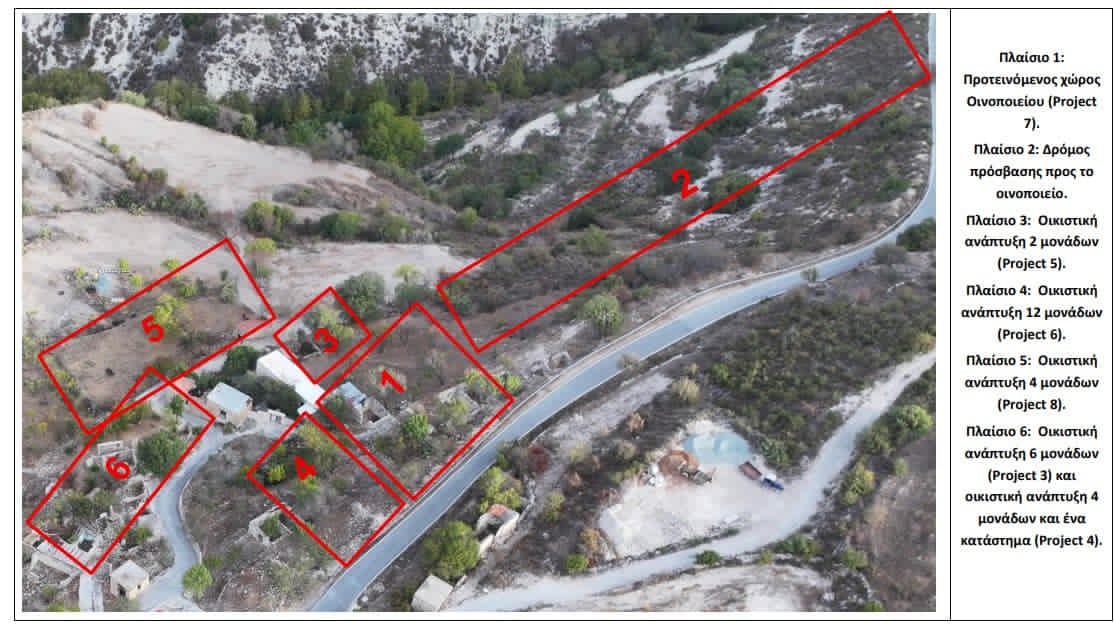
The study states that most development will take place within the existing village core in an effort to reduce pressure on the surrounding natural environment.
The plans include the construction and restoration of a total of 64 one-bedroom homes capable of accommodating around 132 people. Of those, 48 would be newly built while 16 would involve the restoration of existing traditional structures.
The homes are expected to use local stone and traditional roof tiles to maintain the architectural identity of the villages.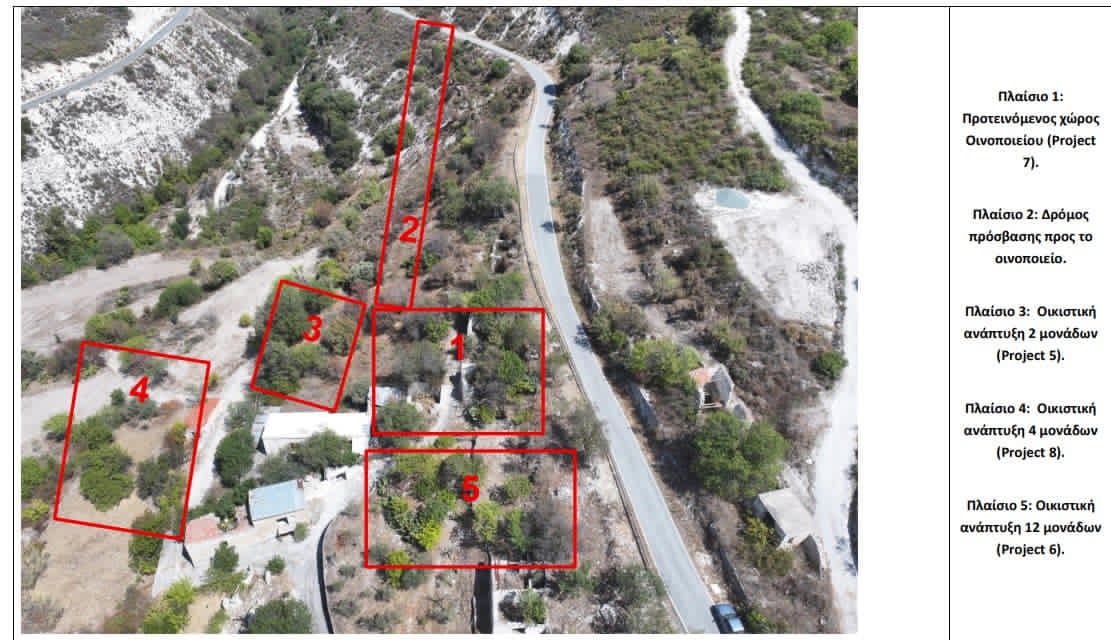
At the center of the project is a winery covering roughly 786 square meters, including a tasting hall, bottling facilities, barrel cellar, shops, workshops, offices, and storage areas.
Annual production is projected at around 40,000 bottles of wine using both existing vineyards and new vine plantations planned within the development area.
The plans also include a multi-purpose complex with a restaurant capable of hosting about 100 people, management offices, and visitor reception areas.
A wellness center is also planned, featuring a gym, spa, sauna, hammam, massage rooms, swimming pool, and relaxation spaces, along with offices and a small residence within the same building.
A major emphasis is being placed on ecotourism through the creation of three organized camping areas equipped with guest tents, communal areas, snack bars, parking spaces, sanitary facilities, photovoltaic systems, and small wastewater treatment units.
Supporting infrastructure would also include an electricity substation, water storage tanks, a biological wastewater treatment plant, internal roads, and parking facilities.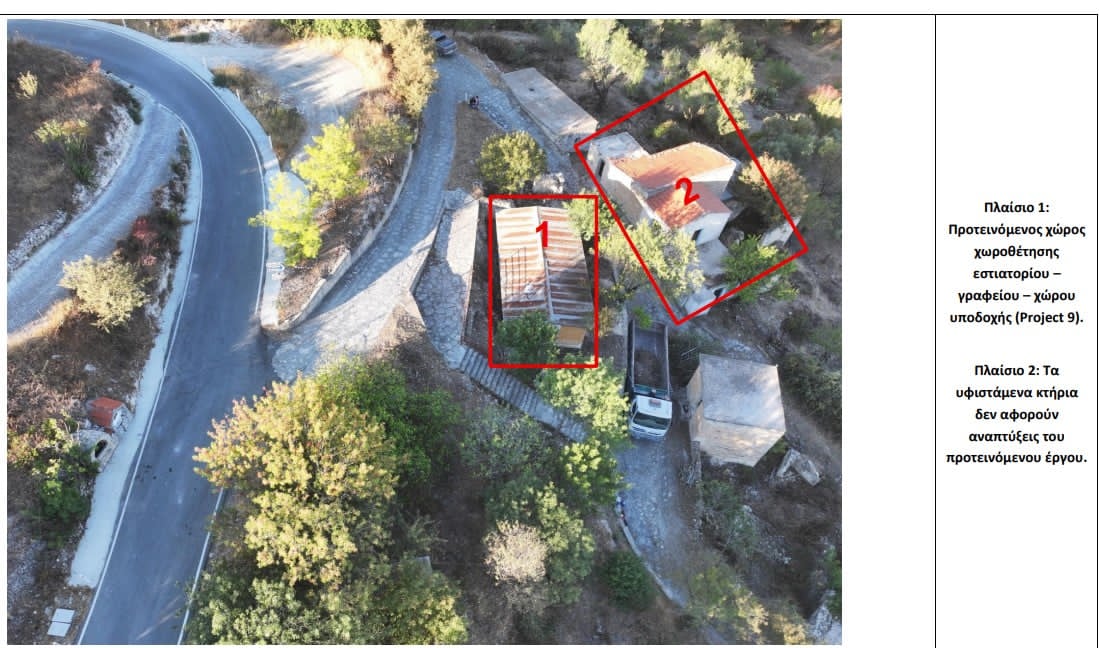
Environmental concerns
Despite the project’s environmentally friendly branding, the development still involves interventions that could raise environmental concerns because of its close proximity to protected Natura 2000 areas.
The study itself foresees vegetation clearing, the removal of protected trees, the construction of a new access road, excavation works, and additional soil sealing.
Developers say measures will be taken to reduce environmental impacts and that the project will be carried out gradually in phases over a period of at least two years.


