


Apostolos Kouroupakis
The second half of the 1980s can fairly be described as a period of renewal and opening up on many fronts in Cyprus. One of the most significant developments of that era was the creation of the University of Cyprus, which, after years of debate, disagreements, and delays, was finally established in 1989.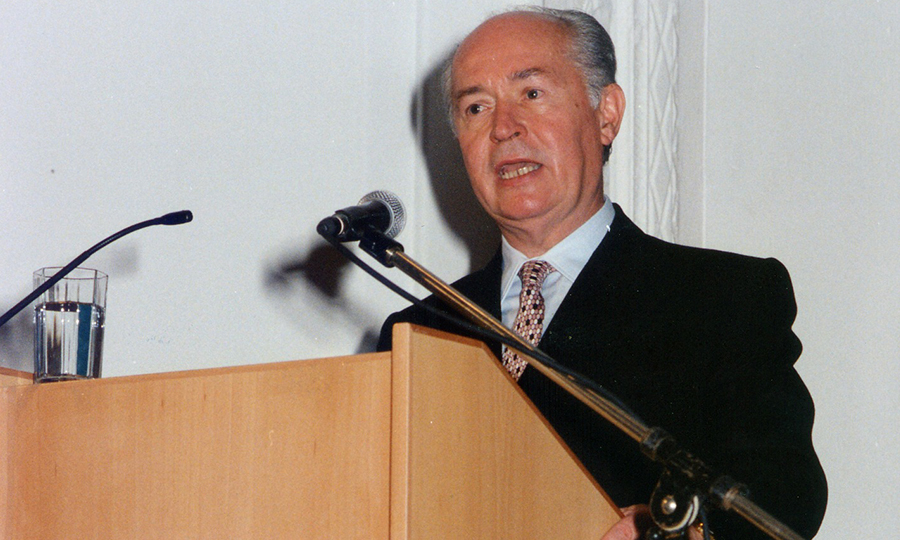
As former President of the Republic of Cyprus George Vassiliou recalls in his book Presidency: Building the Future, he found it unacceptable for an independent state not to have its own independent and autonomous university. “I believed that a high-quality university would contribute not only to Cyprus’s intellectual growth but also to its economic advancement and to the formation of free-thinking, reflective citizens,” he writes.
On October 17, 1992, four years after assuming the presidency, Vassiliou officially inaugurated the University of Cyprus, bringing to an end a long and often turbulent journey. In his inaugural speech, he described the moment as a milestone in Cyprus’s path toward progress. He expressed confidence that the university would also serve as a launching point for new achievements, helping place Cyprus where it rightfully belongs within the modern European family, thanks to its rich history and culture.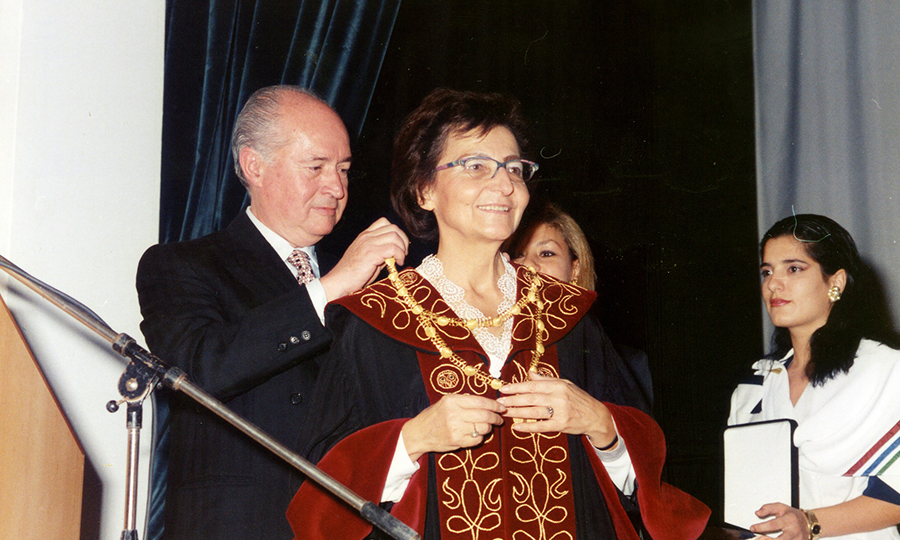
More than 30 years of debate
The idea of creating a university in Cyprus had a long and complicated history. As early as the 1930s, during British colonial rule, it was already considered unacceptable that higher education was not offered locally. Yet no concrete steps were taken toward establishing a university.
Opposition, mainly from conservative circles, was rooted in fears that a university might threaten the island’s Greek identity. As a result, the only forms of higher education that emerged before and shortly after independence were specialized institutions, such as the Cyprus Pedagogical Academy, a Turkish Cypriot Teachers’ College, the Nursing School, the Higher Technical Institute, and the Forestry College.
During the 1960s, discussions even touched on the possibility of a bicommunal university, but these talks went nowhere. The issue resurfaced repeatedly through committees, parliamentary debates, and media discussions in the 1960s and 1970s, without producing results. In 1976, President Makarios appointed an interministerial committee to study the matter, and in December 1978, the Cabinet finally decided in principle to establish a university. Still, it would take another 11 years for that decision to become reality.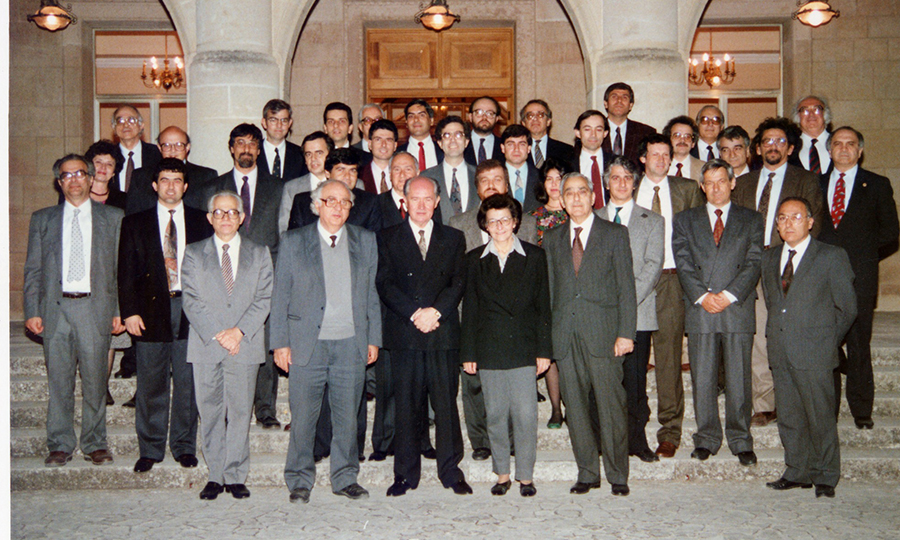
A report in six months, and more delays
When George Vassiliou took office on February 28, 1988, he made clear that one of his top priorities was the creation and operation of an autonomous, high-level Cypriot university by 1990. Just weeks later, in March 1988, he appointed a preparatory committee under Education Minister Andreas Philippou. Within six months, the committee submitted its report, and in November 1988, the Cabinet approved the bill establishing the University of Cyprus.
The bill was submitted to Parliament days later, with a timeline that would allow the first departments to begin operating in September 1990. But once again, debate dragged on. Familiar concerns resurfaced, including fears about national identity. One of the most contentious issues was the language of instruction. Responding to questions in Parliament, the education minister pointed out the obvious: since the official languages of the Republic of Cyprus are Greek and Turkish, these would also be the official languages of the university—unless otherwise stated in law.
The delays caused growing frustration. In a letter dated May 10, 1989, Professor G. Philokyprou, vice rector of the University of Athens and a member of the preparatory committee, expressed concern on behalf of Greek university academics about the prolonged parliamentary process. He urged lawmakers to ensure that the University of Cyprus would be a truly autonomous institution of the highest academic standards, as originally envisioned.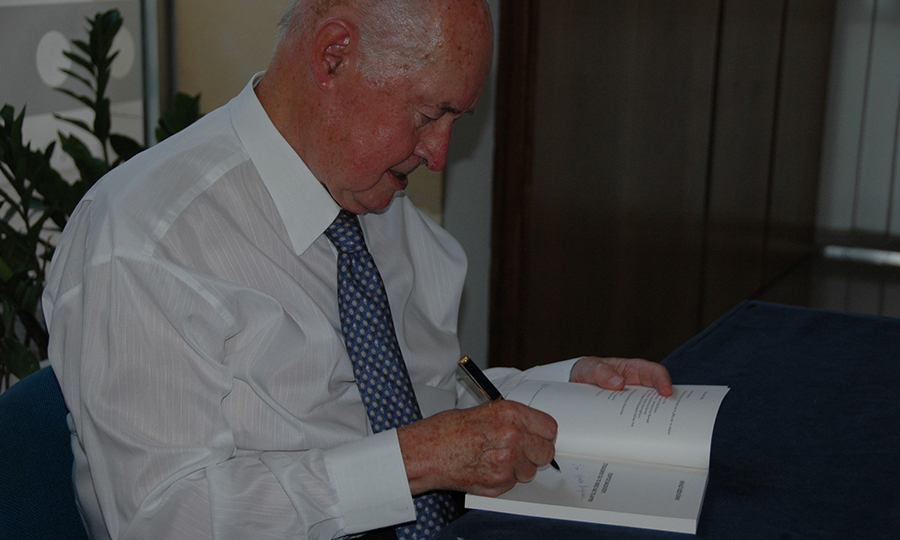
From vision to reality
In the end, consensus prevailed. On July 13, 1989, Parliament unanimously passed the law establishing the University of Cyprus. Political party representatives later acknowledged that the long delays and obstacles had largely stemmed from ideological rigidity and political calculations.
About a month later, in August 1989, the Cabinet appointed a provisional governing council made up of internationally respected academics from Europe and the United States.
The vision finally became reality on September 14, 1992, when 486 students were admitted for the 1992–1993 academic year. The University of Cyprus awarded its first degrees in 1996, marking the culmination of a decades-long struggle to give the country its own university.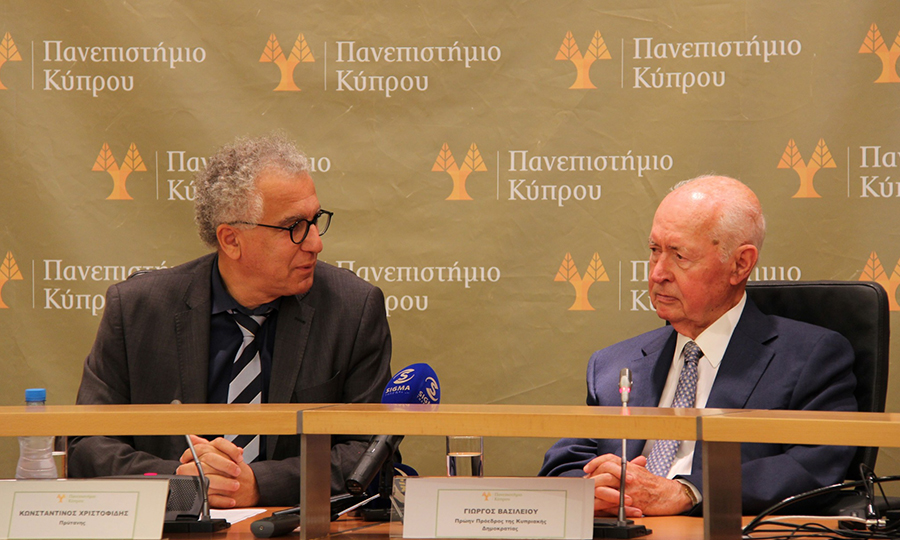
*Read the Greek version here.


