

Newsroom
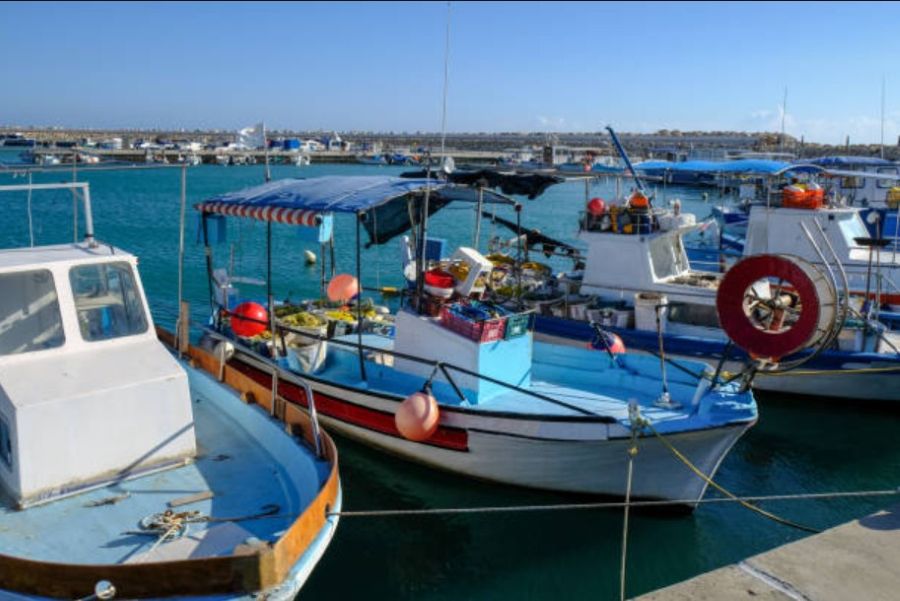
On the waters off Larnaca, where fishermen once pulled up nets heavy with red mullet and sea bream, the catch has shifted in troubling ways. Photis Gaitanos, a fisherman with four decades of experience, now spends much of his time hauling in species that were unknown here a generation ago: lionfish and silver-cheeked toadfish, newcomers from the Red Sea that have settled into a warming Mediterranean
The lionfish is the more visually arresting of the two, striped in reds and oranges and crowned with venomous spines. But its appearance belies its impact. With few natural predators in Cypriot waters, it feeds aggressively on native fish, steadily thinning populations that once sustained local fisheries. Gaitanos says familiar species have vanished from his nets, and that some, like red mullet, have not appeared for years.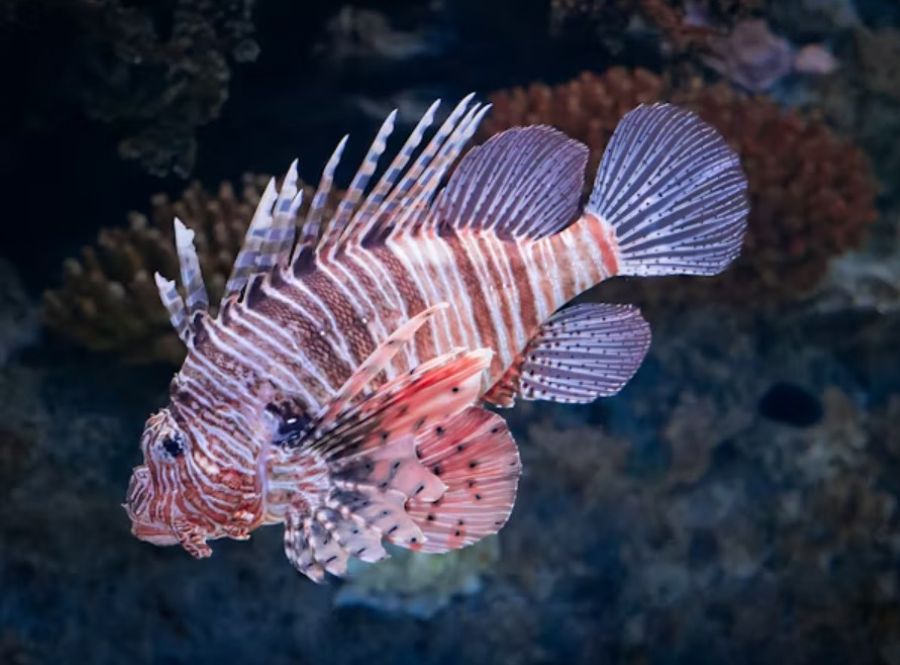
The silver-cheeked toadfish presents a different threat. It chews through nets, destroys catches and carries a toxin that makes it lethal to consume. With nothing to keep its numbers in check, its spread has added to the strain on fishermen already grappling with rising costs and dwindling yields.
Marine scientists and policymakers largely agree on the cause. The Mediterranean is warming significantly faster than the global average, and alongside an expanded Suez Canal, those changes have allowed Indo-Pacific species to migrate west. European fisheries officials warn that if warming trends continue, lionfish could eventually colonize the entire Mediterranean basin by the end of the century
Cyprus, with roughly 150 professional fishermen remaining, has become an early testing ground for Europe’s response. European Union programs now compensate fishermen for removing invasive species from the sea. Toadfish are collected and destroyed, while organized teams of divers spear lionfish around reefs, shipwrecks and protected areas in an effort to slow their spread.
Even supporters of these programs acknowledge their limits. Gaitanos has expressed doubts that such measures can reverse the long-term decline of native fish stocks, describing them instead as temporary interventions that buy time rather than offer lasting solutions.
An alternative strategy has begun to take shape on shore: encouraging people to eat the invaders. Once their venomous spines are removed, lionfish are safe to prepare and have firm, mild flesh. European chefs and conservation advocates have promoted them as a sustainable substitute for overfished staples. In Larnaca’s harbor market, lionfish now sell for significantly less than sea bass, making them appealing to both restaurateurs and consumers.
At a small tavern near the waterfront, chef Stefanos Mentonis has added lionfish to his traditional meze spread. He says most customers are unfamiliar with the fish, but many are persuaded once they taste it. In his view, lionfish holds its own against longtime favorites such as sea bream, both in texture and flavor.
For Cyprus’s fishing communities, the hope is that changing what ends up on the plate might help ease the pressure beneath the waves, offering a modest chance to adapt as the Mediterranean continues to transform faster than anyone once imagined.
With information from AP.


