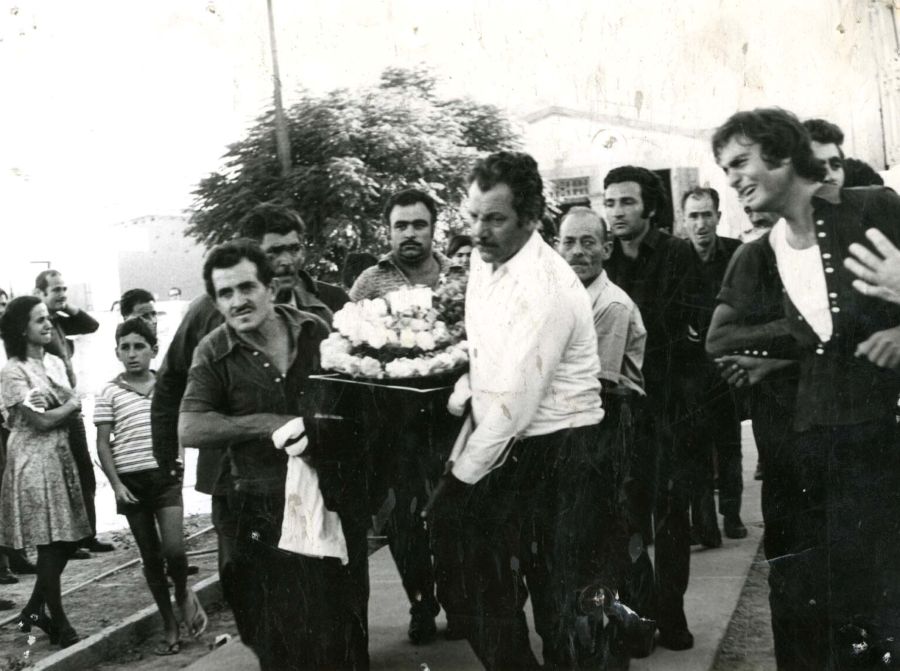
Newsroom / CNA
When the Greek junta-backed coup and the subsequent Turkish invasion shattered Cyprus in the summer of 1974, Michael Cacoyannis was already one of the most celebrated filmmakers in the world. Nineteen years earlier, his masterpiece Stella had won the Golden Globe for Best Foreign Language Film. His 1964 classic Zorba the Greek had claimed seven Academy Award nominations. He was working at the peak of his creative powers, preparing a production of Oedipus for the National Theatre of Ireland, when news of the tragedy reached him.
Cacoyannis immediately halted rehearsals. Driven by profound grief and anger, he arrived on the island by September to begin shooting what would become Attila '74: The Rape of Cyprus.
Unlike scripted dramas, the project developed without a formal screenplay, pre-planned locations, or heavy production equipment. Cacoyannis set out to capture events as they unfolded across the island, operating with total agility.
A real-time record of tragedy
This immediate approach places the documentary within the tradition of Cinéma Vérité, the "cinema of truth" movement that emerged in France during the 1960s. Coming right after the collapse of the Greek military dictatorship, the film marked a return to contemporary international artistic movements for Greek-language cinema.
Right from the opening title card—"A testimony on film by Michael Cacoyannis"—the director abandons any pretense of clinical detachment. He places himself directly inside the narrative, interviewing subjects on camera and providing his own voiceover narration.
Former BBC Production School graduate Pavlos Pavlou, who joined the production as an assistant, kept meticulous logbooks tracking every scene, date, and location. Because Cacoyannis was working spontaneously and under intense emotional strain, these detailed notes proved critical during the editing phase in Athens.
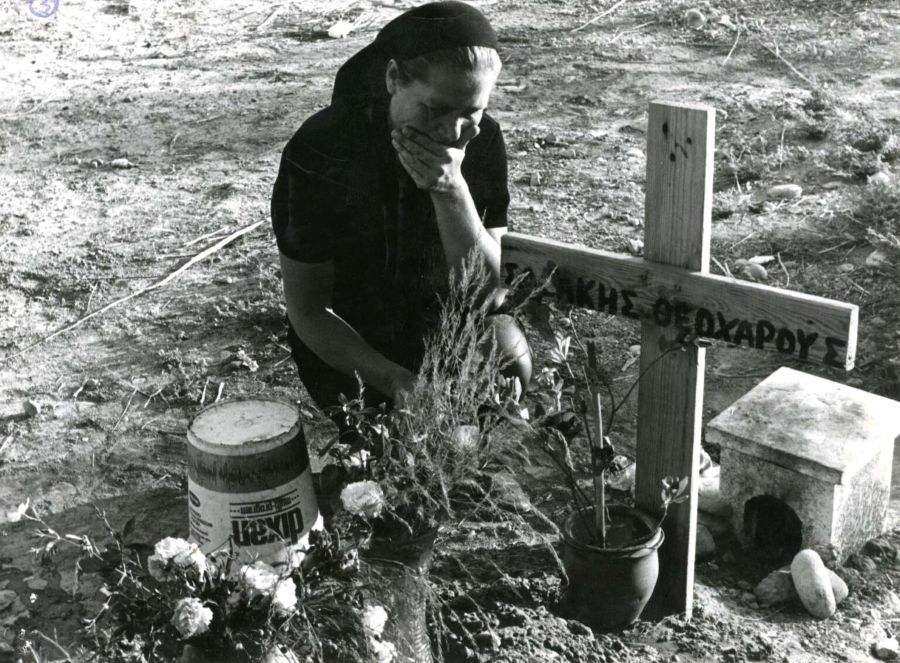
The footage captures a population in shock, showing families sleeping under trees in makeshift camps, makeshift graves hastily dug by the roadside, and parents waiting for news of missing loved ones. Most displaced families interviewed on camera held onto the belief that they would return home within a week or two. Sakis Maniatis' camera work remains fixed on the eyes of those affected, drawing power from their individual expressions.
Unfiltered testimony and historical context
The documentary offers rare historical value by recording key political figures alongside ordinary citizens. Cacoyannis secures candid access to figures like deposed President Archbishop Makarios III, members of the right-wing paramilitary group EOKA B, and displaced civilians across the island.
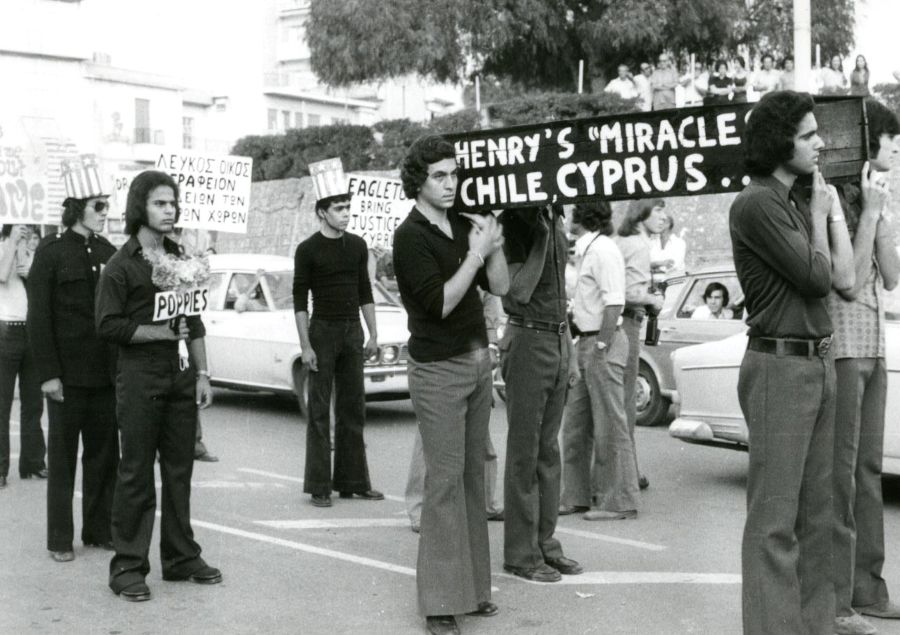
In his featured interview, Archbishop Makarios III appears visibly broken, speaking with a subdued tone that contrasts sharply with his pre-July confidence. Historical context from the period reflects an era of harsh geopolitical cynicism, including pressure from US Secretary of State Henry Kissinger urging Makarios to make territorial concessions.
Equally revealing is an interview conducted in Platres with a member of EOKA B. When asked whether he preferred rule by Leftists or Turkish forces in light of the coup's catastrophic consequences, the fighter answered that Turkish rule was preferable. The moment illustrates the fierce anti-communist obsession that influenced both local factions and officers in the Greek military assigned to the island.
Cacoyannis later described the process simply: "Attila '74 was not a film that I directed; it was directed by History itself. I merely recorded the events."
By focusing on personal experiences and immediate reactions rather than detached commentary, the film functions as an invaluable document of oral history, preserving the initial raw impact of a crisis that reshaped the island for decades to come.